What To Wear And Bring For A Waiheke Zipline Trip
The zipline itself supplies the harness, helmet and guides. What you wear underneath decides whether the three hours are comfortable or miserable, and a short, firm list of rules decides whether you fly at all.
Short answer
Wear closed, laced or buckled shoes (jandals are refused), weather-appropriate clothing, sunscreen, and a hat that fits under a helmet. Add a warm layer in cooler months and bring your own rain jacket, since loan stock is small. Phones and cameras must be strapped on, and free phone bungees are handed out at check-in.
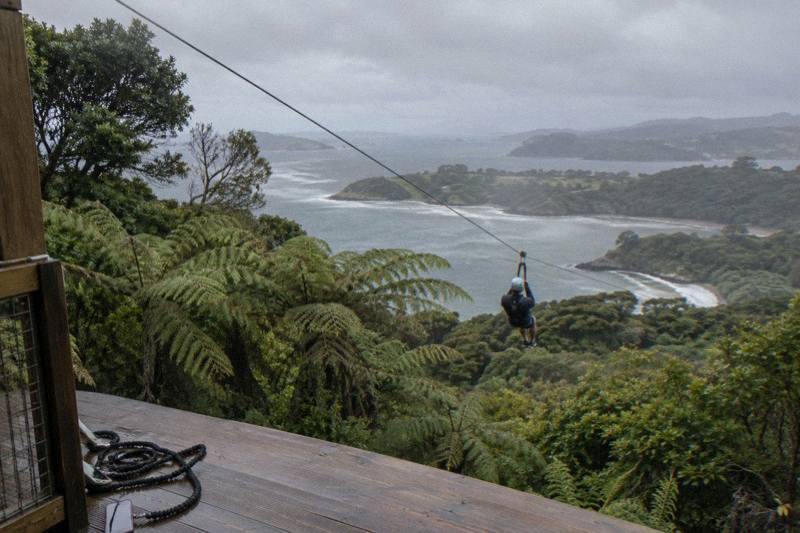
Zipline gear is simple. The operator supplies the helmet, the harness, the dual cables and the braking system; you supply a body dressed sensibly for a hilltop in the Hauraki Gulf. EcoZip Adventures, which runs the three-line course above Trig Hill, is blunt about the one non-negotiable: closed, laced or buckled shoes. Arrive in jandals and you are not flying. Everything else on the list is weather arithmetic, and Waiheke's weather can move through three seasons in one afternoon even when Auckland, 17.7 km away across the water, sits still.
This guide walks through the full clothing and packing decisions for a Waiheke zipline day: the shoe rule and why it exists, how to layer for the island's climate, what the harness does to loose items, what to leave in your bag at check-in, and the small extras that make the forest walk and the ferry crossing easier. If you want the fuller day-by-day run of the experience itself, the step-by-step Waiheke zipline tour walkthrough covers the sequence from Matiatia pick-up to drop-off.
What Are The Shoe Rules For Ziplining On Waiheke?
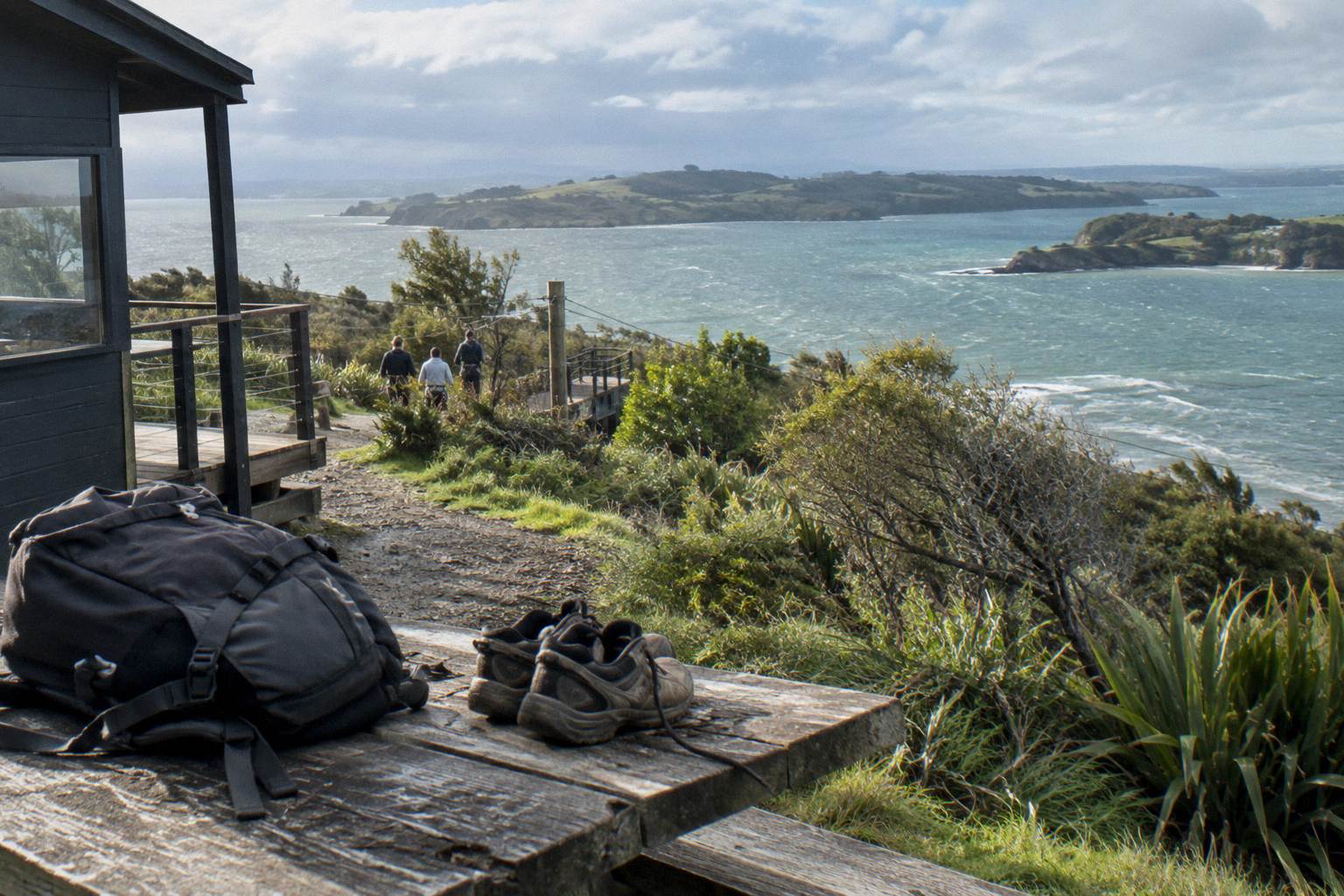
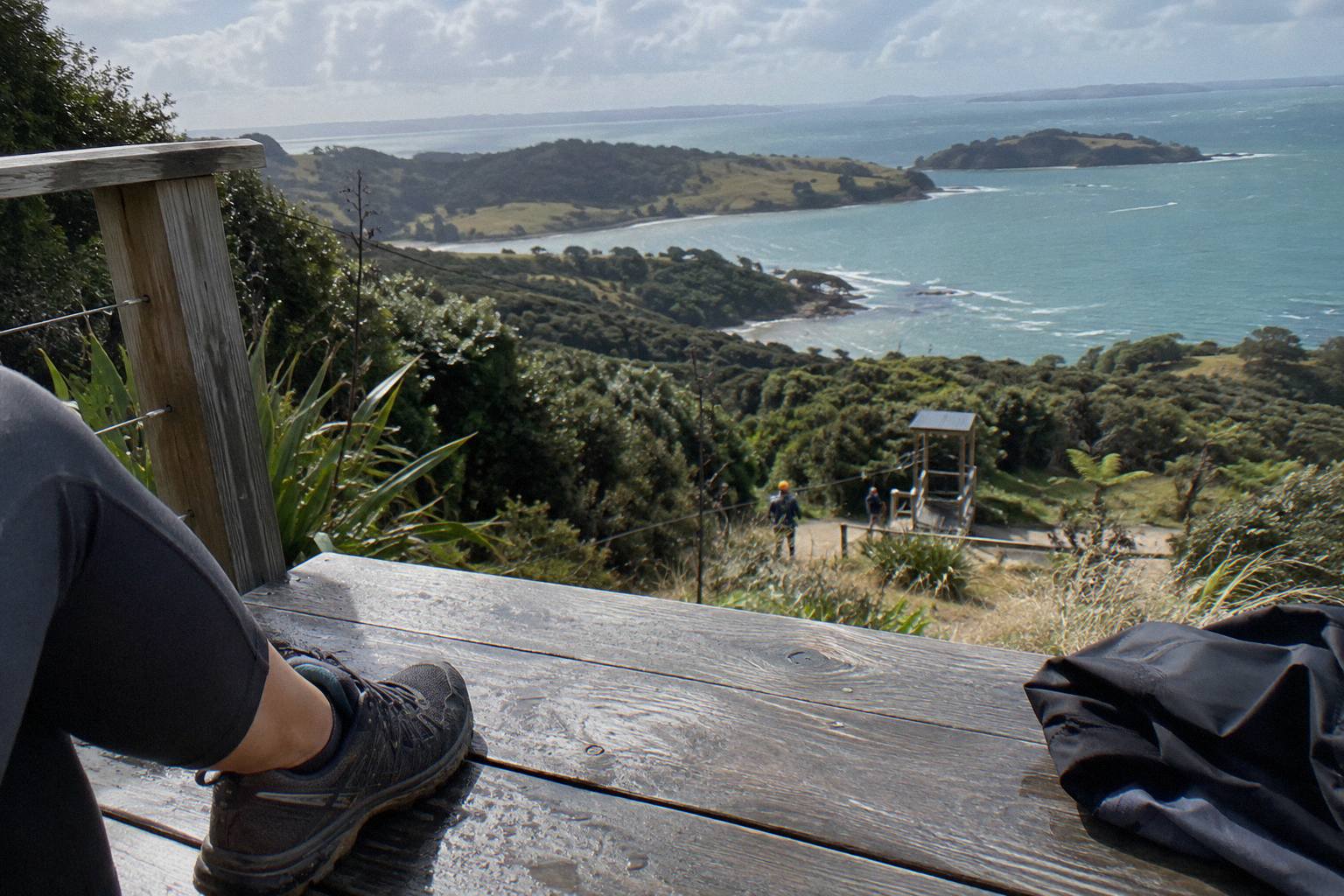
Closed, laced or buckled shoes are required, and jandals, slip-ons and sandals are refused at check-in. The rule exists because the course is not just flying: it includes a guided 1.4 to 1.5 km native forest walk with uneven ground, switchbacks and a few steady uphill stretches that can be muddy after rain.
Think of the shoe rule as two rules wearing one sentence. The first is a safety issue on the zipline itself: your feet are dangling 200 m of cable above a valley, and a shoe that can slip off becomes a projectile on a line that carries riders at over 50 km/h. The second is a comfort issue on the ground. After the three flights (Vineyard Cruise, City View and the 220 m Kurinui line) you come off the final platform straight into the forest walk, and that walk is not optional even though the guided commentary is. Trainers, trail shoes, lightweight hiking shoes, any lace-up or buckle shoe with grip will do. You do not need boots.
The same logic governs the rest of your lower half. Long trousers or leggings beat shorts for most people, not because the operator demands them but because the harness wraps your thighs and a padded layer between webbing and skin prevents the chafe that short flights surprisingly can cause. Shorts are allowed. Many riders wear them in February, when average daytime highs on the island sit around 23 degrees, and regret nothing. In July, when highs average about 15, shorts are simply a bad plan.
There is a planning shortcut here that saves most people the agonising: dress as you would for a two-hour coastal walk in the same season, then subtract anything loose. The operator's own frequently asked questions page is the source for every requirement in this section, and it is worth a read before you pack, because the wording is short and the enforcement is real.
How Should You Dress For Waiheke's Weather?
Dress in layers you can shed, with a warm layer in cold weather, sunscreen year-round, and a hat that fits under a helmet. Waiheke has a mild oceanic climate: February highs average about 23 degrees, July about 15, and rain falls in every month, wettest in July at roughly 123 mm and driest in January at about 71 mm.
The island's climate is gentler than the mainland's extremes but less predictable than a brochure suggests. A summer morning can start still and warm, cloud over by the time your shuttle reaches Trig Hill, and clear again before lunch. The practical answer is three thin layers rather than one thick one: a breathable base, a warm mid-layer such as a fleece, and a shell you can stuff in a daypack. You will wear all three on the shaded forest walk in the shoulder seasons and strip to one on a February platform.
Sunscreen deserves its own sentence. You are on an exposed hilltop in New Zealand, where UV is fierce even through cloud and even at 15 degrees, and the flight positions are open to the sky. The helmet covers your scalp but not your face, neck or the backs of your hands gripping the handle bars. Apply before you leave the ferry and again before the walk. A hat sounds like it conflicts with a helmet, and a wide-brimmed one does; what works is a close-fitting beanie in winter or a low-profile cap, which is exactly why the requirement is written as "a hat that fits under a helmet" rather than simply "a hat".
| Condition | Base layer | Warm layer | Head and skin | Feet |
|---|---|---|---|---|
| Summer, Dec to Feb | T-shirt or shirt, shorts or trousers optional | Light fleece for the ferry and evening | Sunscreen, low-profile cap under helmet | Trainers, worn in |
| Autumn, Mar to May | Long-sleeve base | Fleece or light down | Sunscreen still needed, beanie on cooler days | Trainers or light hikers |
| Winter, Jun to Aug | Thermal or long-sleeve base | Warm mid-layer plus shell | Beanie under helmet, gloves for the platform | Grippy closed shoes, warm socks |
| Spring, Sep to Nov | Long-sleeve base, trousers | Fleece plus packable rain shell | Sunscreen, beanie as backup | Grippy closed shoes |
| Rain any season | Quick-dry fabrics only, no cotton next to skin | Fleece mid-layer under shell | Hood down for the flight, up on the walk | Shoes with real tread, mud likely |
Cotton deserves a warning label of its own. A cotton t-shirt that gets damp on a drizzly forest walk stays damp for the rest of the day, and damp plus wind on a hilltop is how people get cold in a country where the temperature never drops near freezing. Merino or synthetic base layers solve this for the price of a department-store shirt, and they dry on the ferry home. If you want a fuller picture of how weather affects the trip beyond clothing, see how Waiheke zipline weather, wind and cancellations work, which covers the 35-knot wind threshold and what happens to your booking when it is crossed.
What Should You Bring, And What Should You Leave Behind?
Bring your own rain jacket, any medication you may need on the day, a strap or bungee for your phone, and water for after the walk. Leave behind loose jewellery, scarves, drones, selfie sticks, anything in your hands during flight, and more bag than you can carry on an uneven forest track.
The rain jacket instruction surprises visitors from drier climates. Waiheke ziplining runs in rain; it cancels only when wind is consistently above 35 knots, in which case you get a free date or time change or a full refund. That means a drizzly day is a flying day, and the operator keeps only a small stock of loan wet-weather gear, sized and numbered for a group of up to 12 people with 2 guides. Your own jacket guarantees your own fit. Any basic waterproof shell works; you are not scaling a mountain, you are standing on platforms and walking a track.
Phones and cameras have one rule: strapped on or left behind. Anything you carry during the flight must be attached to your clothing or harness so it cannot drop onto the forest or the cables below, and EcoZip hands out free phone bungees at check-in for exactly this purpose. The lanyard threads through your phone case, clips to your harness, and lets you film all three lines. If you want the full run-down on getting usable footage, the guide to Waiheke zipline photos, GoPros and phones covers mounting, helmet placement and what the guides will help with.
The featured trip, the Waiheke Island: Zipline And Forest Walk, is the one most of this packing list is written for: about three hours door to door from Matiatia, three dual ziplines of about 200 m each, the guided forest walk and a commentated mini-tour of the island by minivan. Everything you need fits in one small daypack, and most of it stays in the shuttle while you fly. The price and current availability are on the live listing rather than printed here.
| Bring | Why |
|---|---|
| Own rain jacket | Tours run in rain; loan gear stock is small |
| Strapped phone or camera plus lanyard | Free phone bungees at check-in; loose items are a drop hazard |
| Water bottle | The forest walk is 1.4 to 1.5 km and exposed in places |
| Sunscreen and sunglasses on a cord | Hilltop UV is strong even in cloud |
| Small daypack | Left in the shuttle or at the base during flights |
| Any personal medication | Asthma inhaler especially, strapped or in a guide's pack |
The forbidden list is shorter but firmer. Loose scarves and dangling jewellery can catch on the cable or the trolley. Unstrapped cameras, selfie sticks and drones stay on the ground. Alcohol is its own category: the operator's terms allow staff to refuse anyone affected by alcohol or drugs, and a refused rider on a direct booking forfeits the fare, so save the vineyard pours for the free after-tour drop-off, which covers Stonyridge, Te Motu, Wild Estate and several other cellar doors. The pairing logic of that part of the day is laid out in which vineyards pair best with a Waiheke zipline day.
Do You Need Special Gear For The Harness And Helmet?
No. The harness, helmet, lanyards and trolleys are all supplied and fitted by the guides, and no personal climbing or outdoor equipment is accepted on the course. What you control is what sits under the harness: snug clothing, no bulky items in pockets, and hair tied back so it cannot reach the trolley.
A dual-cable zipline harness is a full-body seat-and-chest arrangement, and the fitting is part of check-in, not an optional extra. Guides adjust it to your body, which is also why everyone is weighed discreetly at check-in: the weight range of 30 to 125 kg exists so riders generate enough momentum to reach the braking zone but not so much that the equipment operates outside its ratings. Clothing that fits close to the body makes that fitting faster and more comfortable. A thick bunched hoodie under the webbing does the opposite, and a phone in a front pocket ends up pressed into your hip for the whole flight.
Hair is the item people forget. Long hair loose on a zipline can reach the trolley, the small wheeled carriage that runs along the cable, and that is a genuine hazard rather than a cosmetic one. Tie it back tightly, low on the head so the helmet sits properly. The same applies to hoodie drawstrings, camera straps without a bungee, and anything that flutters. The braking system on each line, a ZipStop arrangement with backup systems inspected on daily, weekly and monthly cycles, handles the stopping; your job is simply to arrive at the platform with nothing trailing.
If you are renting or borrowing gear rather than flying with your own, nothing on the required list needs to be technical. The two items worth owning rather than improvising are the rain shell and the shoes; everything else can be ordinary travel clothing. Visitors building a longer stay around the flight will find the same logic applies across the island, as covered in where to stay on Waiheke for a zipline weekend, since Oneroa, Onetangi and Palm Beach all put you within a short shuttle of Trig Hill.
What Should Kids And Older Riders Wear?
Children wear exactly the same kit list as adults: closed laced shoes, weather-appropriate layers, and nothing loose, with a hat that fits under the supplied helmet. EcoZip has no age limit, requires a guardian's signature for under-18s, and applies its child price to ages 15 and under, so the clothing question is size, not category.
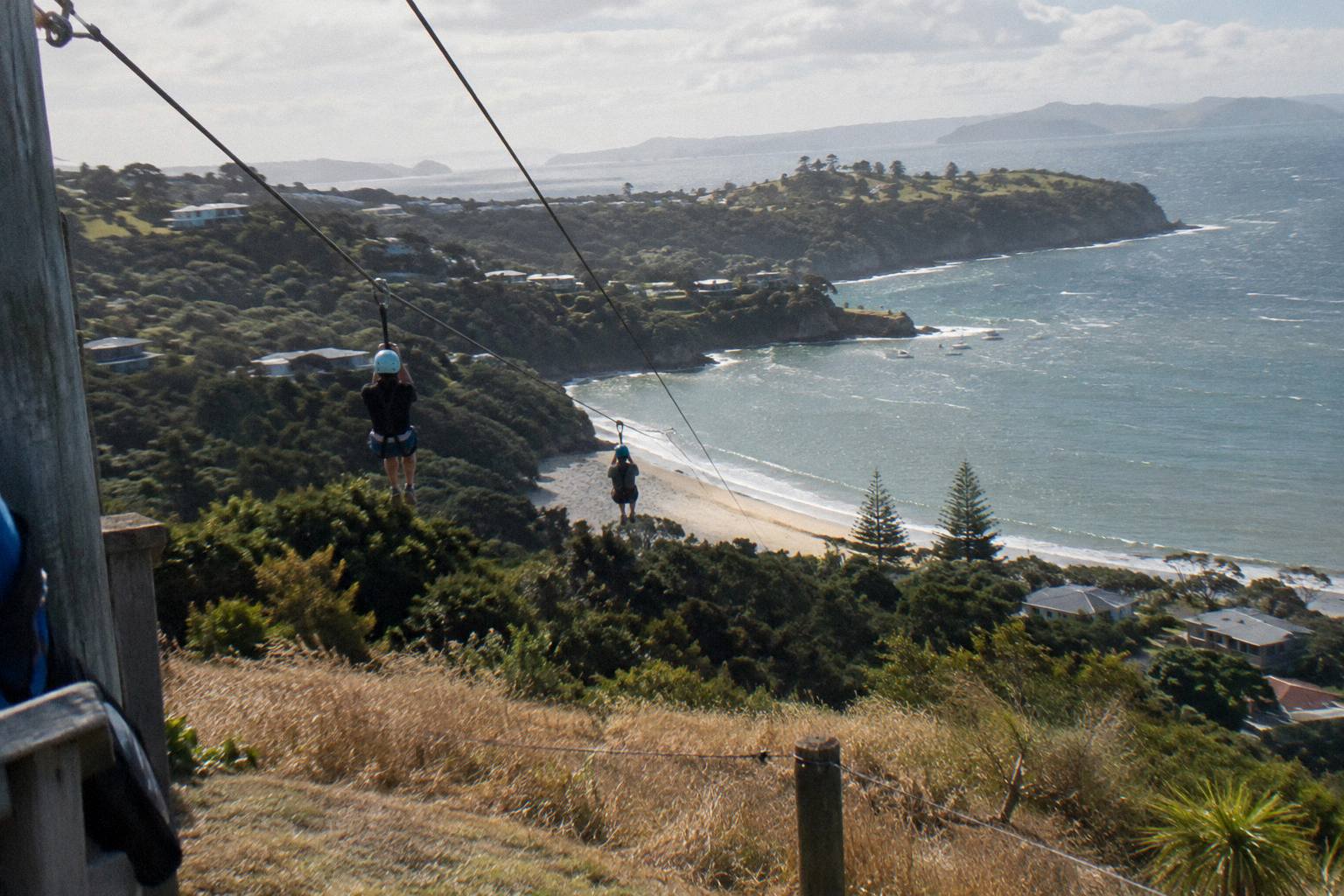
The absence of an age limit is worth dwelling on because it shapes the packing. On many New Zealand courses, operators report guests from small children to people in their nineties, and the gate is physical capability rather than a birth year. On Waiheke the gates are the 30 kg minimum weight, the 125 kg maximum, the ability to walk the forest track, and a guardian's agreement to the risk disclosure form for anyone under 18. A child light enough to fly is small enough that an adult fleece becomes a dress, so pack actual layers in their size.
Practical additions for families: a spare top for each child, because the forest walk's mud is enthusiastic and the shuttle ride back is 20 minutes; hair ties for long-haired kids, applied before the helmet fitting rather than after; and snacks in the daypack for the ferry home, since the three-hour block from Matiatia to drop-off has no food stop. If you are weighing the whole idea first, whether the Waiheke zipline is safe covers the regulatory side, including the Adventure Activities Regulations that require operators to pass a safety audit and register with WorkSafe NZ, and EcoZip's own AdventureMark accreditation held since 2012.
Older riders should read the shoe paragraph twice. The walk's switchbacks and steady uphill stretches are the most demanding part of the day for many riders in their seventies and eighties, and grip underfoot matters more there than on the platforms. Walking poles are usually welcome on the track but must be handed to a guide or left at the base during flights. There is more on this in is ziplining safe for seniors, including the NZ operators who have flown guests over 90.
Not every zipline on the island is EcoZip's. The Man O' War Forest Flight, on the eastern end at the Man O' War Experiences Centre, runs three tandem ziplines totalling over 900 m connected by a 660 m elevated boardwalk, and ends steps from a beachfront tasting room. The boardwalk changes the shoe question: it is elevated and even, so the walking demand is lower, though closed shoes remain the sensible choice for the scenic drive and the vineyard after. Its listing gives a 30 to 125 kg weight range; check the live listing for age and cancellation terms before packing for a family with young children.
How Does The Ferry Crossing Change Your Packing?
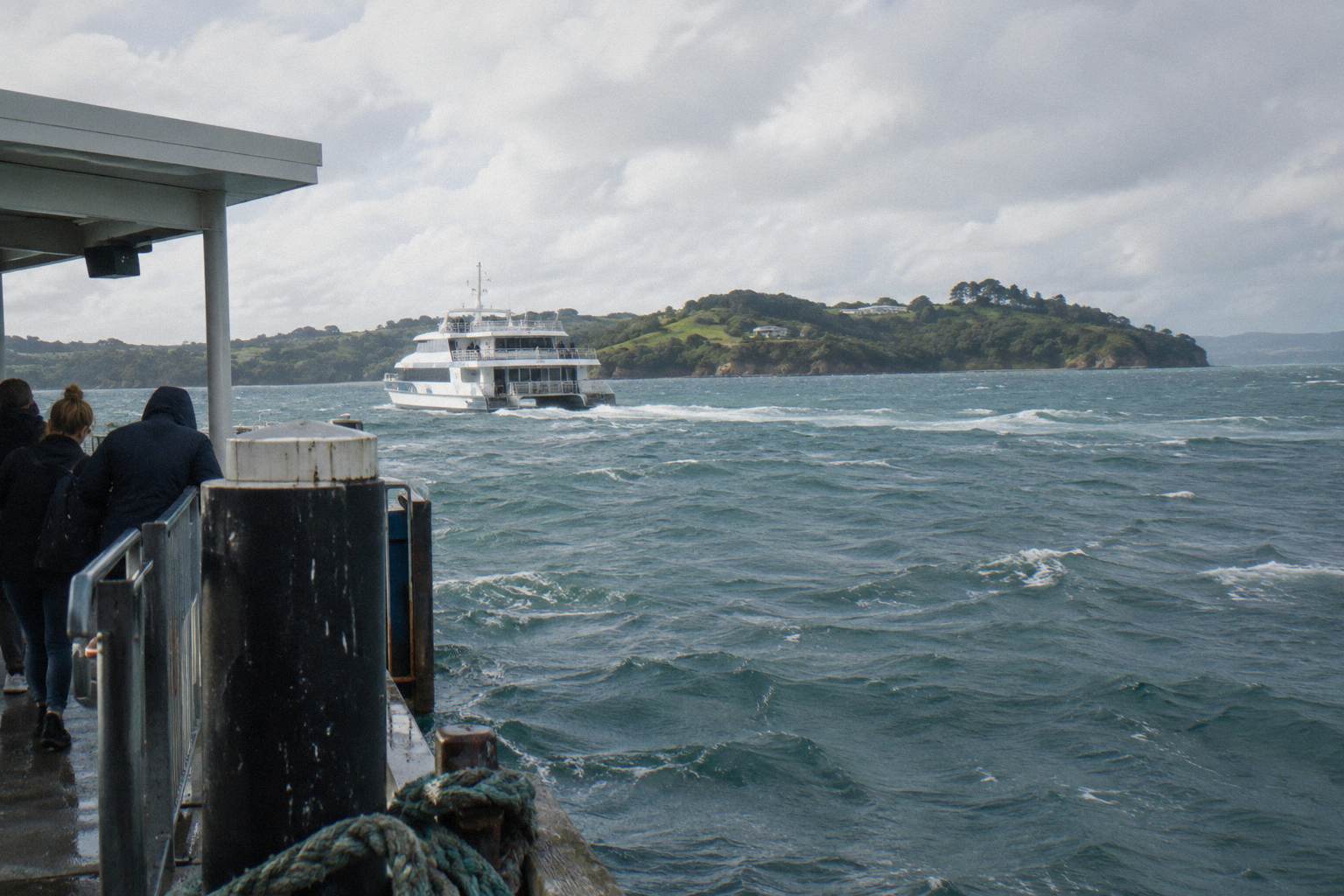
The Fullers360 ferry from downtown Auckland to Matiatia takes about 40 to 45 minutes, runs year-round with sailings every 30 to 60 minutes and up to every 20 at peaks, and is an open-deck boat: pack a windproof layer you can reach on deck, and keep your ticket and ID in a zipped pocket, not a bag you cannot open on the gangway.
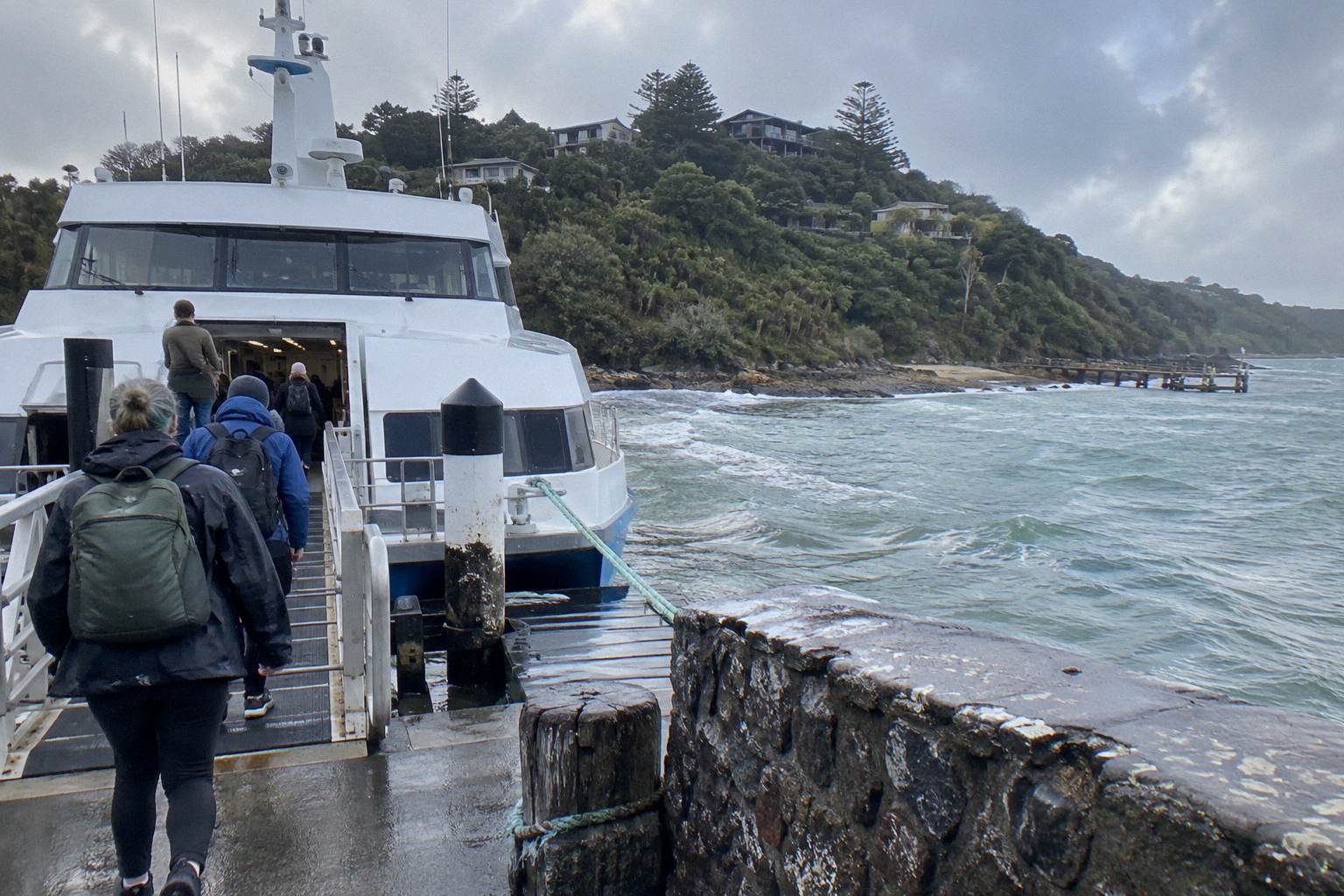
The crossing is the underrated part of the clothing plan. Even on a calm day the deck wind is real, and on a blustery one it is the coldest 40 minutes of your morning. The ferry departs from the Downtown Ferry Terminal on Quay Street, and EcoZip's shuttle meets arrivals at Matiatia, so the sequence is ferry, shuttle, harness, flight: your outer layer needs to be accessible all the way through. Current fares and the seasonal timetable are on the operator's ferry ticket page, and note that the ferry ticket is not included in the zipline price.
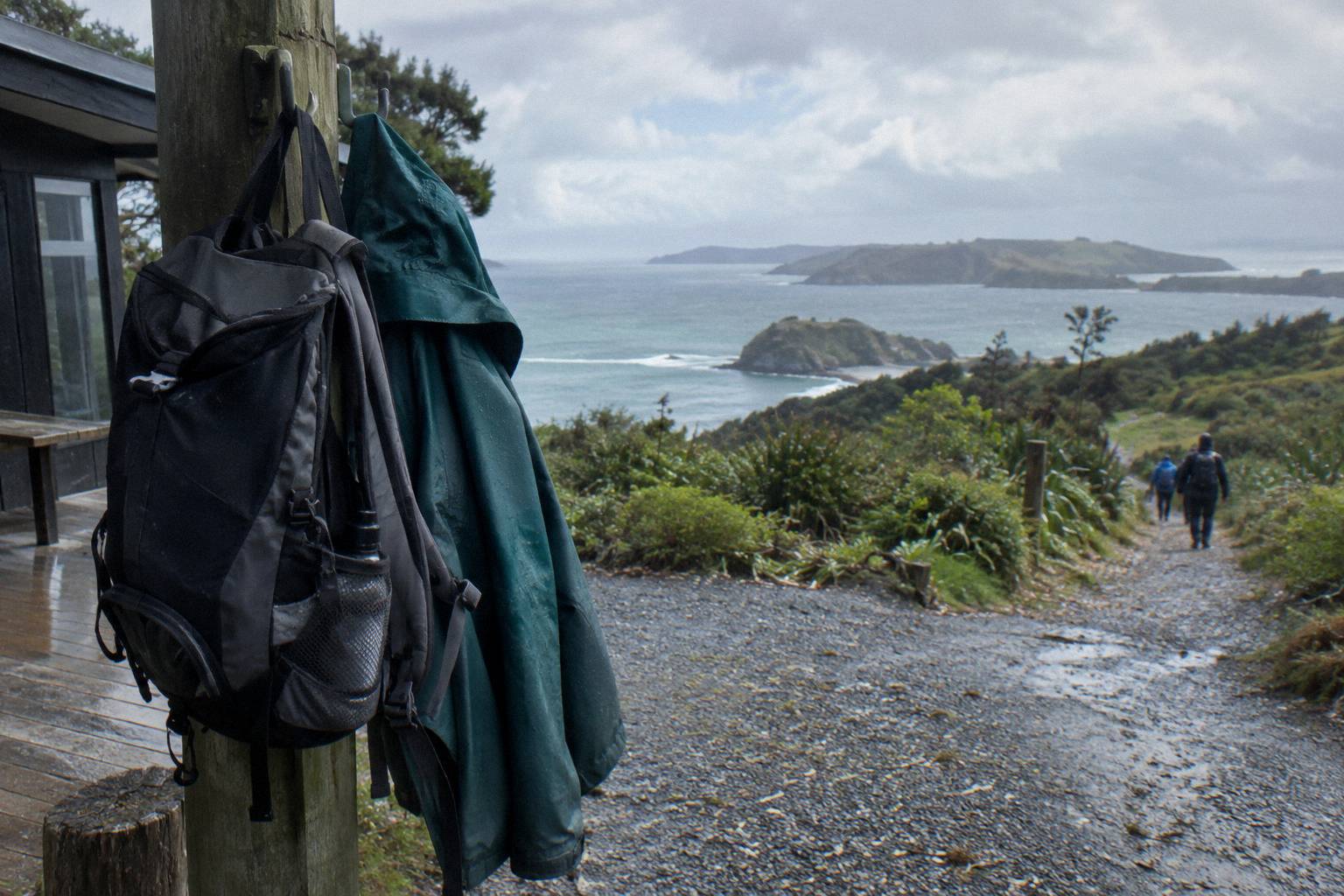
Sea-sickness rarely matters on a 40-minute harbour crossing, but the ferry does add one genuine packing item: something to do on the way back, when the adrenaline fades and the tiredness lands. A book, a downloaded podcast, or simply the sense to sit on the deck and watch Rangitoto go by. Cruise passengers working against a ship timetable have a tighter version of this puzzle, laid out in planning a Waiheke zipline as a cruise passenger.
One warning on timing that belongs with packing rather than with booking: the three hours runs from Matiatia pick-up to drop-off, so a late ferry that makes you miss the shuttle makes you miss the flight. Aim for a sailing that lands at least 30 minutes before your slot. The fuller logistics of matching ferry times to morning slots are in catching the ferry to Matiatia for a morning zipline.
Can You Combine The Zipline With Wine Tasting On One Packing List?
Yes, and it mostly means dressing the zipline list up rather than carrying a second outfit: the same closed shoes, layers and jacket work at a cellar door, and the free vineyard drop-off after the flight means you arrive in exactly what you zipped in. Tasting flights at Waiheke cellar doors typically run about NZ$20 to NZ$55, with many rooms open from around 11 am to 5 pm.
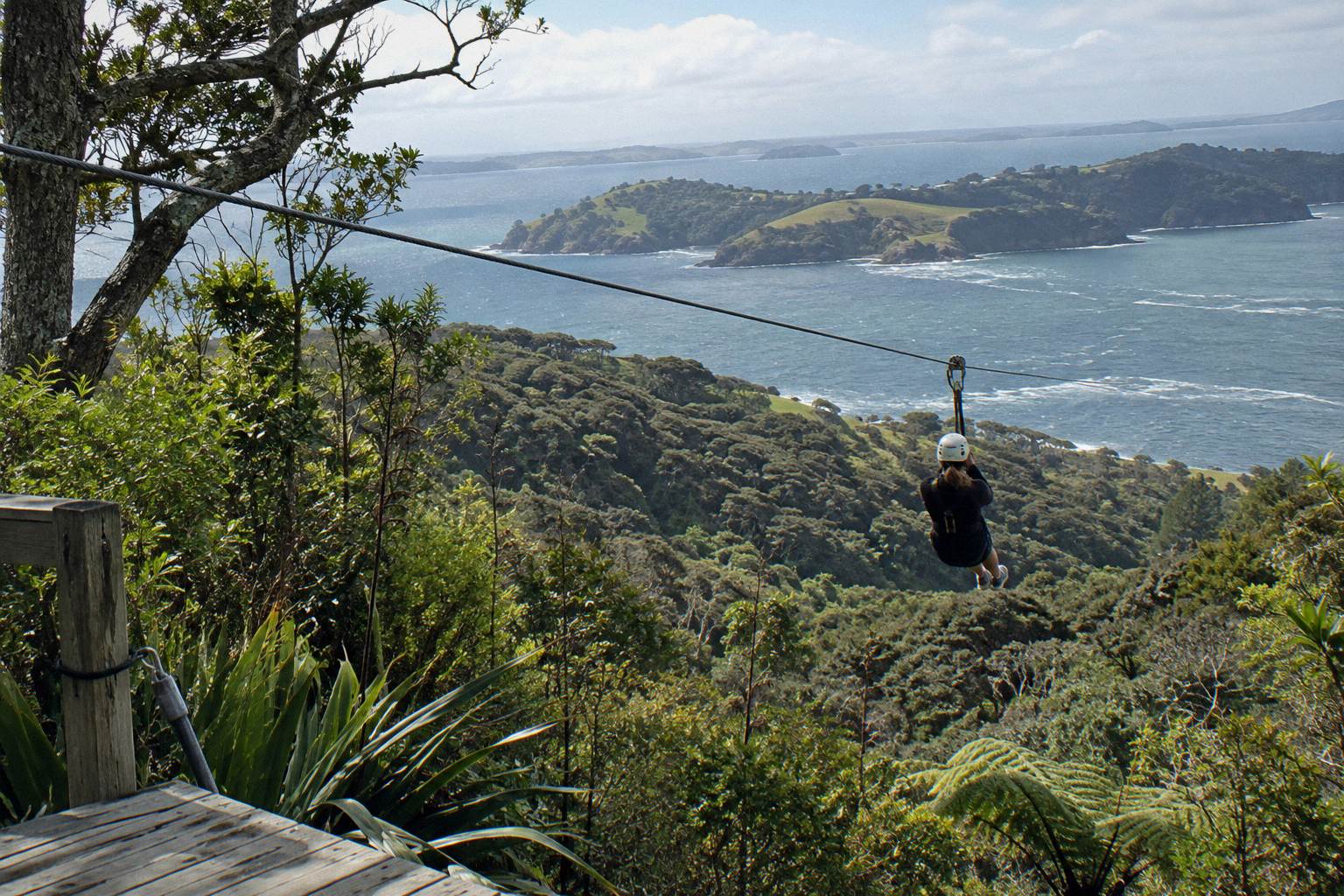
The island has around 30 wineries and roughly 20 cellar doors open to the public, many pouring Bordeaux-style reds, and the day-tour products stitch them to the zipline for you. The Waiheke Island Day Tour: Ziplining, Wine Tasting & Vineyard Lunch runs about nine hours in total and bundles the zipline and forest walk with a two-course vineyard lunch, tastings at two vineyards, and an olive oil tasting. One packing note follows from the format: you leave in the morning and return in the evening, so the warm layer matters twice, on the morning ferry and after sunset tastings.
For a private version, ENZOY Tours runs a roughly five-hour private zipline-and-vineyard format with a driver-guide and two vineyard visits, which changes packing in one way only: you can leave the daypack in the car rather than the shuttle. The wardrobe stays identical. Private formats are compared in choosing a private zipline and vineyard tour on Waiheke.
| Trip format | Hours | Extra packing beyond the core list |
|---|---|---|
| Zipline and forest walk | About 3 | Nothing; water bottle for the walk |
| Man O' War Forest Flight | About 2 | Swimwear and towel if beach time follows |
| Zipline, wine tasting and lunch day tour | About 9 | Warm layer for the evening ferry, water, ID |
| Private zip-sip tour | About 5 | Daypack can stay in the vehicle |
| DIY zipline plus Explorer bus | A full day | Sunscreen twice, coins or card for tastings |
What Not To Wear: The Short Version
Wear nothing loose, nothing dangling, nothing cotton in rain, no jandals, no new shoes, no items you would grieve to drop 200 m into native forest. The harness forgives scruffy clothing; gravity does not forgive loose objects, and the guides do not board riders who cannot secure what they are carrying.
The single most common mistake is shoes. The second is the brand-new trainer bought for the trip, which blisters beautifully on a 1.5 km switchback track. The third is the hoodie drawstring, which is exactly the kind of trailing item check-in staff ask you to tuck or remove. Run your outfit against this list the night before and you are done in two minutes:
| Do not wear or carry | Reason |
|---|---|
| Jandals, sandals, slip-ons | Refused at check-in; track is uneven and muddy |
| Loose scarf, long necklace | Catch hazard on cable and trolley |
| Unstrapped phone or camera | Drop hazard during flight; bungees are free at check-in |
| Thick cotton in rain | Stays damp through the forest walk |
| Bulky jacket under harness | Interferes with harness fit and adjustment |
| New unworn shoes | Blisters on the 1.4 to 1.5 km walk |
| Drone or selfie stick | Not permitted on the course |
| Anything you cannot afford to lose | Things fall; the forest is 200 m below |
If you are still choosing between the island's two zipline courses, the comparison of Man O' War's Forest Flight and EcoZip works through the differences in format, terrain and how each ends the day.
One last combination worth knowing while you pack: the Fullers360 ferry and hop-on hop-off Explorer bus ticket, rated 4.6 across 3,661 reviews, ties the crossing to a 17-stop island loop from Matiatia. It is how many riders build their own day around the flight, dropping the daypack on the bus, zipping in the late morning, and riding the loop to a beach or cellar door after. Closed shoes serve the whole day, which is the quiet argument for packing light and packing once.
Common Questions About What To Wear Ziplining On Waiheke
What Shoes Do I Have To Wear For The Waiheke Zipline?
Closed, laced or buckled shoes. Trainers, trail shoes or light hiking shoes all qualify; jandals, sandals and slip-ons do not, and riders in them are refused. The reason is as much the 1.4 to 1.5 km uneven forest walk after the flights as the flights themselves.
Can I Wear A Hat Or Beanie Under The Zipline Helmet?
Yes, provided it fits under the helmet. A close-fitting beanie in cold weather or a low-profile cap in sun works; a wide-brimmed hat does not. Sunscreen on exposed skin is recommended in every season.
Is Rain Gear Provided, Or Should I Bring My Own Jacket?
Bring your own. The tour runs in rain and keeps only a small stock of loan wet-weather gear on site, so a basic packable waterproof shell guarantees your fit and dryness.
How Do I Carry My Phone On The Zipline?
Strapped to your clothing or harness. Free phone bungees are handed out at check-in; thread one through your phone case and clip it on before the first flight. Unstrapped phones and cameras stay on the ground.
What Should I Not Wear Ziplining On Waiheke?
Anything loose or dangling: scarves, long necklaces, drawstrings, unstrapped cameras, selfie sticks and drones. Also skip thick cotton in wet weather, bulky jackets that interfere with the harness fit, and brand-new shoes that will blister on the forest walk.
Does The Packing List Change For The Wine-Tasting Day Tour?
Only in duration, not in kind. The zipline, wine tasting and lunch day tour runs about nine hours, so add a warm layer for the evening ferry return, water for the day, and your ID; the same closed shoes and layers serve both the flight and the cellar doors.