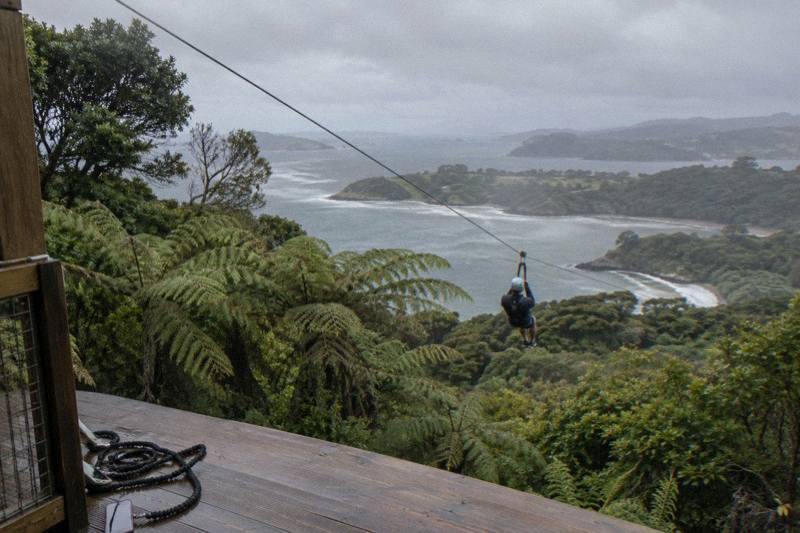
Waiheke Zipline In Rain And Wind: What Gets Cancelled
The Waiheke zipline runs in rain and stops for wind. Here is exactly where the line sits, what a cancellation costs you, and how to plan around both.
Short answer
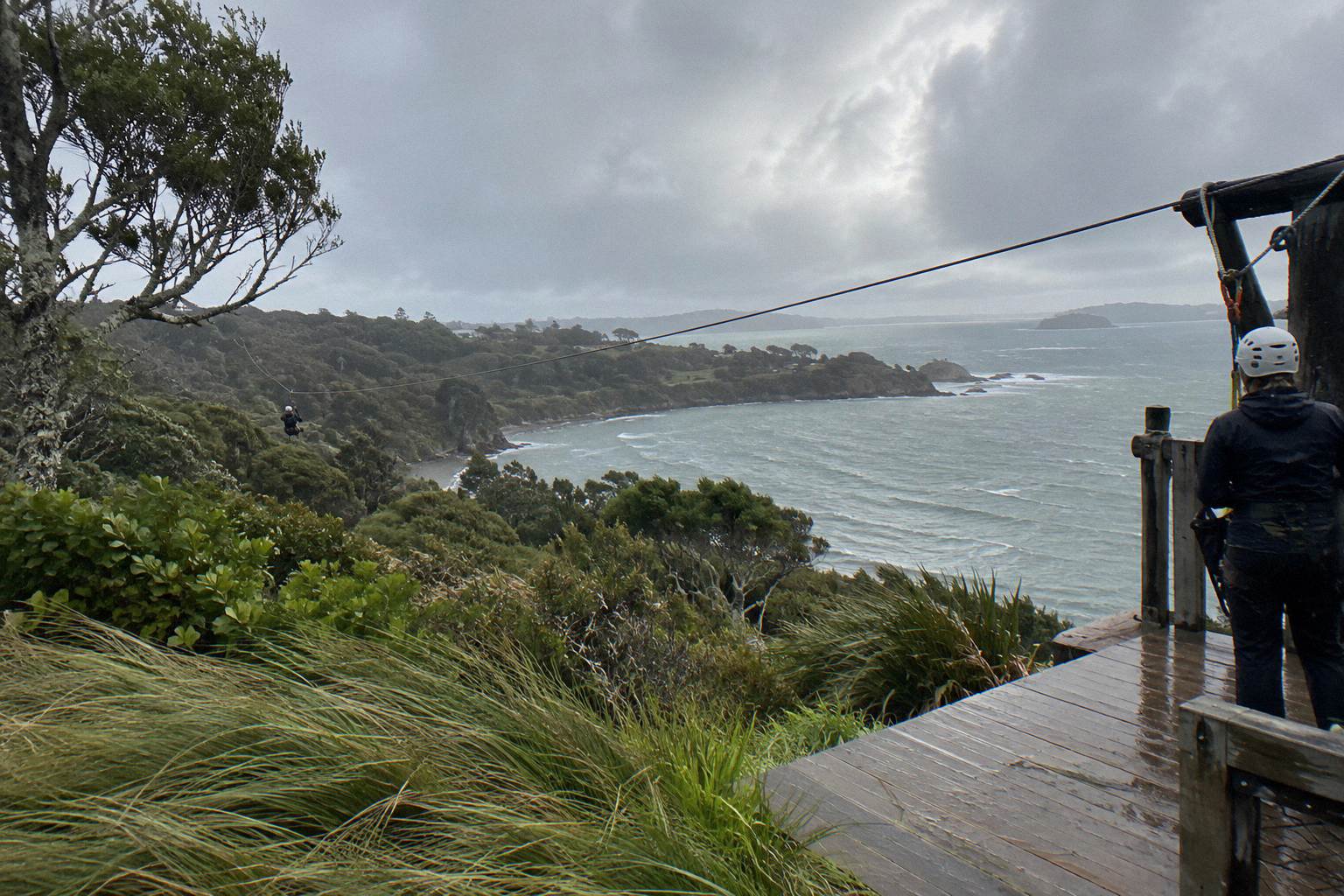
The Waiheke zipline runs in rain. EcoZip cancels only when wind is consistently above 35 knots, offering a date or time change or a full refund. Cancel direct more than 48 hours ahead and a per-person charge applies; inside 48 hours it is non-refundable. Booking-page listings carry free cancellation up to 24 hours before.
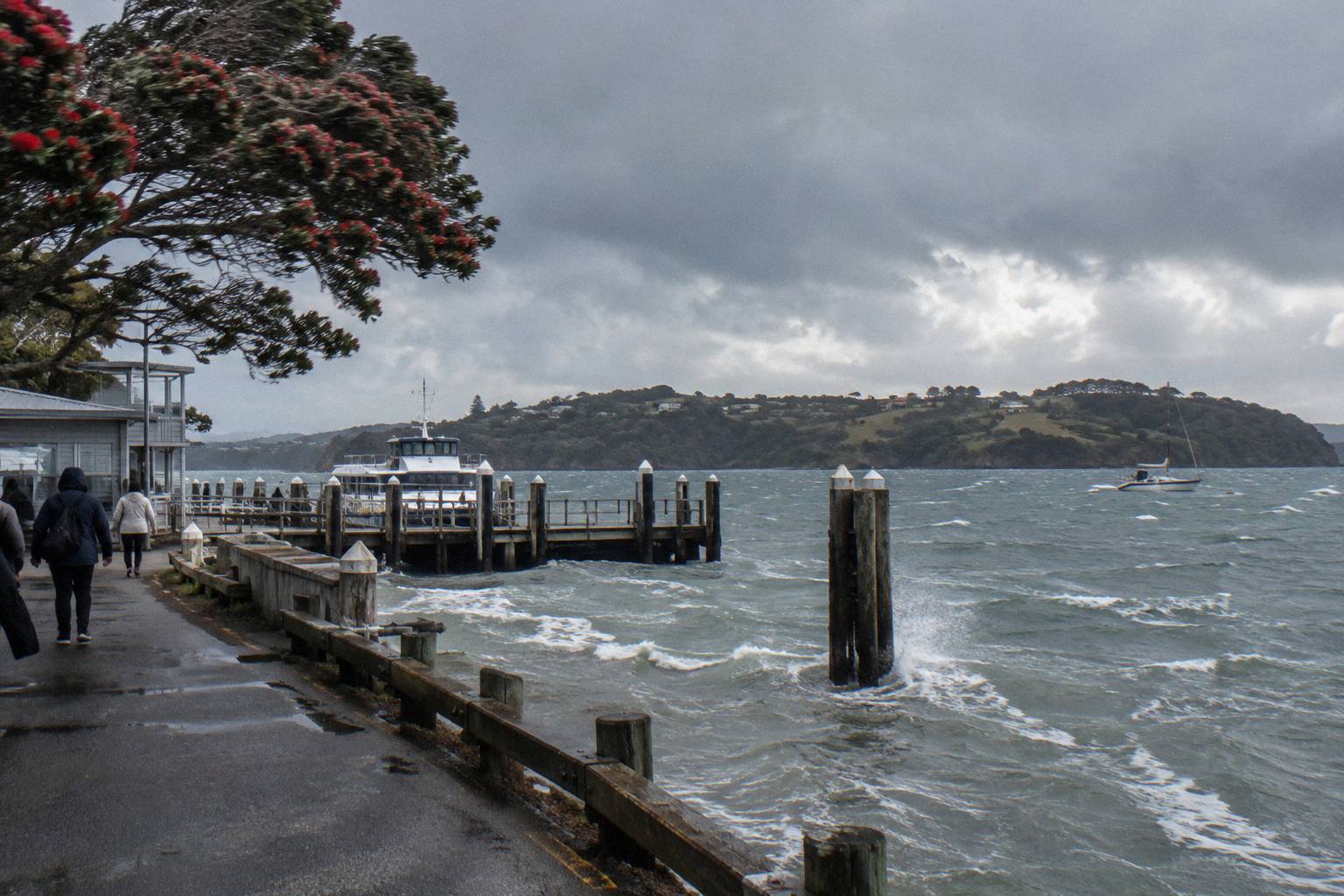
Wind, not rain, is what shuts a Waiheke zipline down. That single fact surprises a lot of first-time visitors, because a damp forecast in Auckland looks like a cancelled morning on the island. It usually is not. EcoZip Adventures, the operator behind the main dual-cable course above Onetangi, runs its three lines in ordinary rain and reserves cancellations for sustained wind above 35 knots, a threshold where the cables, not the drizzle, become the problem. This guide lays out the full weather logic, the cancellation windows on both direct bookings and listing bookings, and what a wet day actually feels like on the course, using the operator's own published terms and verified island climate data.
Does The Waiheke Zipline Run In Rain?
Yes, the Waiheke zipline runs in rain as standard practice. EcoZip Adventures states plainly that its experience operates in wet weather, and the course is built for it: three dual cables of roughly 200 m each, a guided native forest walk, and a stock of loan wet-weather gear for guests who arrive without a jacket. Rain alone does not trigger a cancellation or a refund, so a showery forecast should not stop you booking a morning slot.
The reason is physics and equipment rather than bravado. Modern zipline trolleys and cables grip perfectly well in the wet, and the operator's braking system, a ZipStop setup with backup systems, is engineered to bring riders in safely regardless of a damp cable. Hardware is inspected daily, weekly and monthly, and the operation has held AdventureMark safety accreditation since 2012. What rain changes is comfort, not safety: you will get wetter on the forest walk than on the lines, because the 1.4 km guided walk takes longer and runs through uneven, switchbacked track that can be muddy after a downpour.
That walk is the part of the day worth planning around. It is compulsory, the guided commentary is optional, and a few steady uphill stretches mean reasonable fitness matters more in the wet when the track is slick. Guests who would rather minimise mud can drive to the Trig Hill site directly, which cuts the total experience to about two hours on site instead of three hours from the Matiatia ferry pick-up. For the full logistics of the pick-up, shuttle and timings, see the step-by-step Waiheke zipline trip walkthrough.
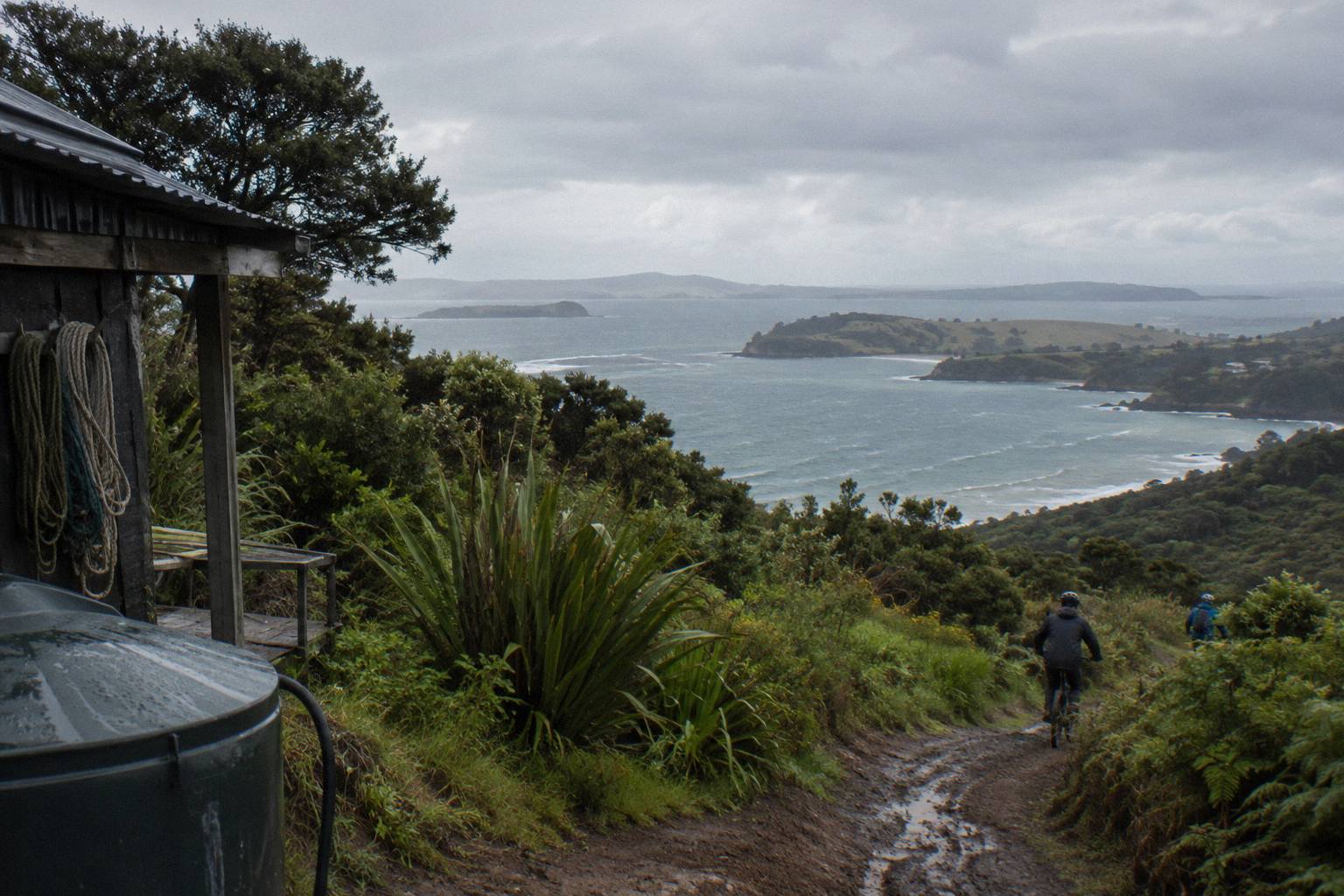
For most visitors the practical answer is to treat light rain as a non-event and pack accordingly. Waiheke's climate is mild and oceanic, with annual rainfall around 1156 mm spread across the year, so a passing shower is a normal feature of almost any week on the island, not a signal that the day is ruined. The operator keeps a small stock of loan wet-weather gear at check-in, though relying on your own jacket is the smarter play.
When Does Wind Cancel A Waiheke Zipline?
Wind cancels a Waiheke zipline when it is consistently above 35 knots, per EcoZip's published weather policy. At that point the operator may call off the session and offer either a change of date or time, or a full refund. Gusts, drizzle and grey skies do not count; the trigger is sustained strong wind, and the decision sits with the operator on the day.
Wind matters on a zipline for two reasons. First, strong crosswind can push a rider off their line path and add arrival speed that the brake has to absorb. Second, wind is the one condition that safety equipment cannot fully design around, which is why the wind rule exists at all while rain does not. The operator's FAQ page states the 35-knot threshold and the remedy openly, so there is no guesswork about what happens if the forecast turns.
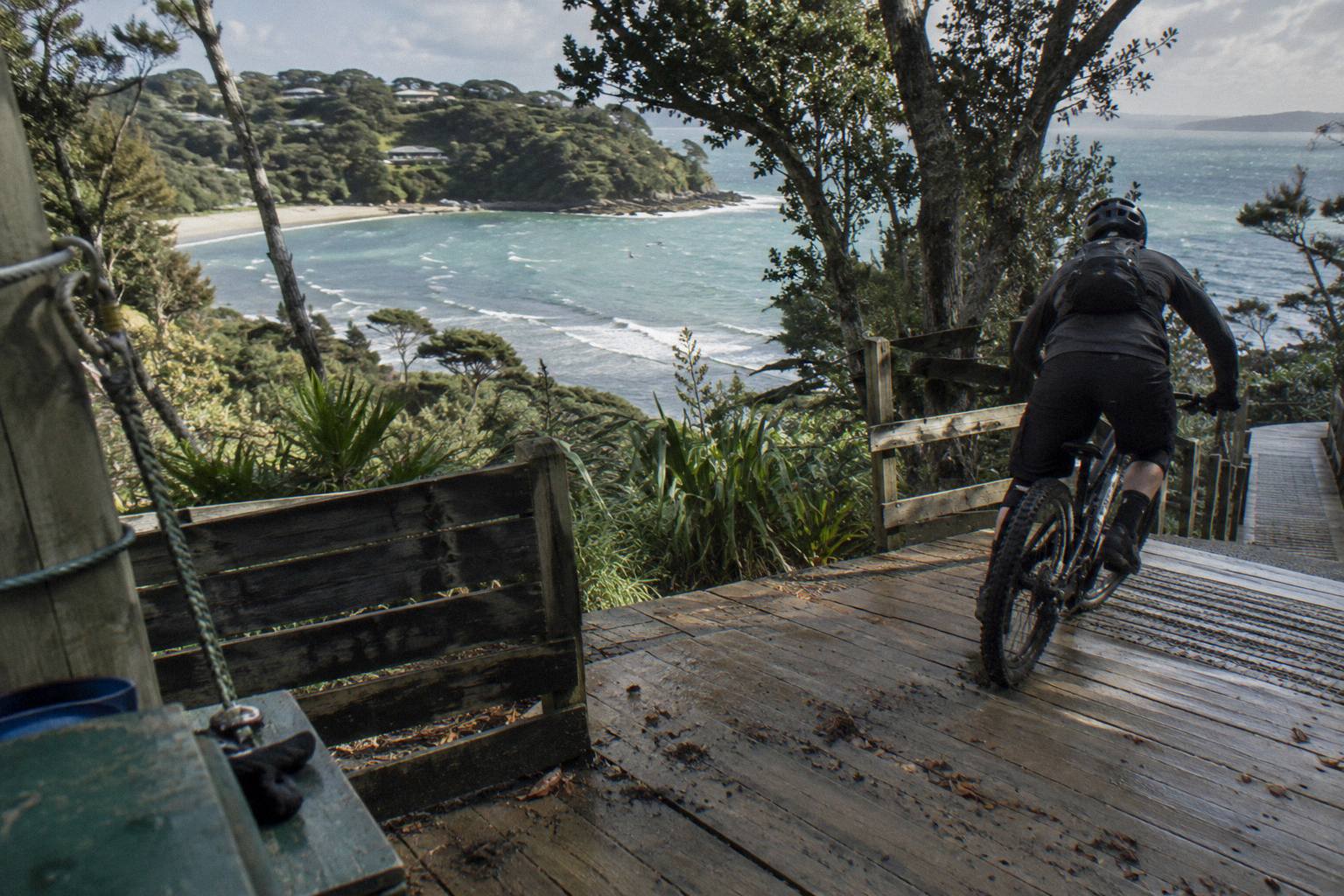
If a wind cancellation lands on your day, the practical sequence is: contact the operator, choose a new date or time slot if your itinerary allows, or take the full refund. Visitors on a tight schedule, particularly cruise passengers with a single day ashore, usually cannot rebook, which makes the refund path the realistic one. Cruise travellers should read the Waiheke zipline guide for cruise ship passengers for how a morning slot protects against exactly this scenario.
Because a wind call is made on the day, an early booking is the safer shape for a changeable forecast.
The featured three-hour experience, the Waiheke Island: Zipline And Forest Walk, includes the three dual-cable flights, the guided forest walk and a mini island tour with Matiatia pick-up, and its live listing shows current pricing and availability. It is the product most visitors mean when they say "the Waiheke zipline", and its wind and rain rules are the EcoZip terms described throughout this guide.
What Happens If Your Zipline Is Cancelled?
A cancelled Waiheke zipline gets you a date or time change, or a full refund, when the operator cancels for wind. When you cancel yourself, the terms depend on how you booked: direct bookings carry per-person charges outside 48 hours and are non-refundable inside 48 hours, while booking-page listings generally carry free cancellation up to 24 hours before. Wind cancellations by the operator never cost you money.
The distinction between operator-cancelled and self-cancelled is where people lose money. If EcoZip cancels because wind is consistently above 35 knots, you are offered a reschedule or a full refund, full stop. If you decide not to show up because the forecast looks grim but the session is running, that is a self-cancellation under whichever terms you booked, and rain running as scheduled means no operator refund. Check the weather honestly before you walk away from a slot: drizzle is not a cancellation, and it never was.
Wet-day riders who go ahead almost universally report the same thing: the lines are the fun part of a rainy day, the forest walk is the soggy part. If you are booking with flexibility in mind, the listing route carries free cancellation up to 24 hours, which covers the common case of a forecast turning overnight. Booking direct is often slightly cheaper, but the cancellation terms are firmer, so the trade is real money against flexibility.
One more wrinkle: over- and under-weight guests who are turned away at check-in are not automatically refunded, because the weight rules, 30 to 125 kg, are published in advance and everyone is weighed discreetly at check-in. That is a different failure mode from weather, and it is worth knowing before you travel. The Waiheke zipline weight limit and harness sizes guide covers it in full.
Cancellation Windows: Booking Direct Vs The Booking Page
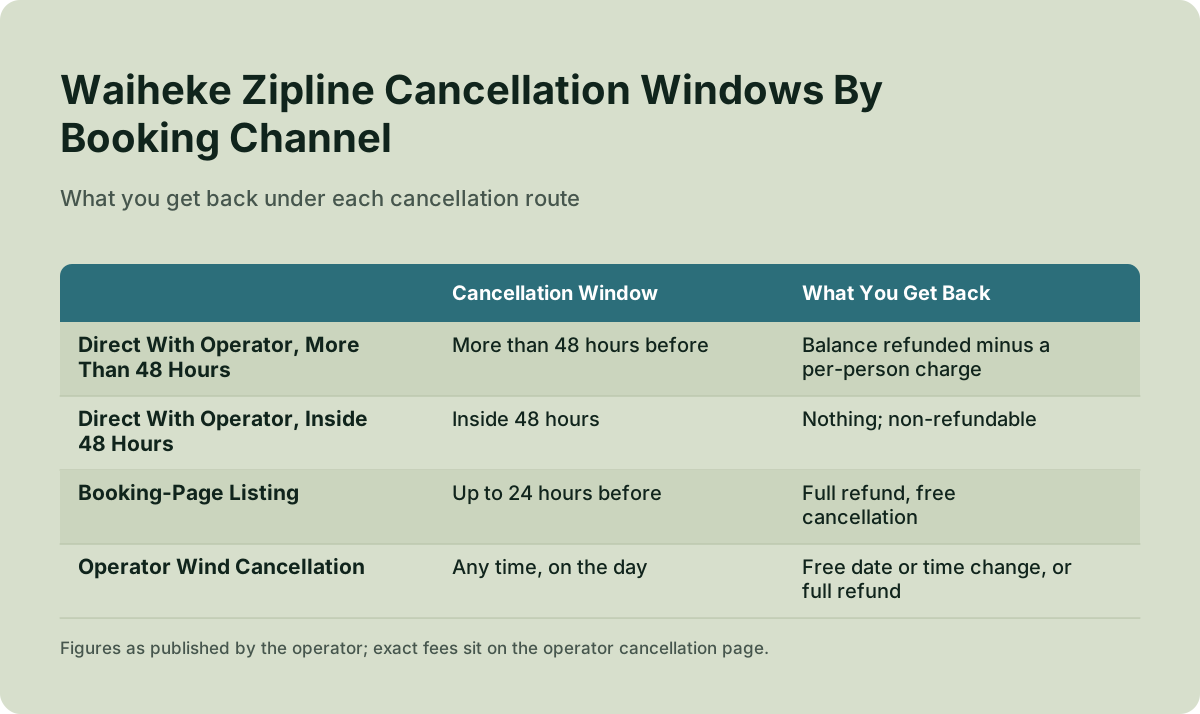
Direct EcoZip bookings can be cancelled more than 48 hours ahead with a per-person cancellation charge deducted from the refund, while cancelling inside 48 hours is non-refundable and rescheduling inside 48 hours carries a per-person fee. Booking-page listings carry free cancellation up to 24 hours before the session. The operator's own wind cancellation always overrides both with a free change or full refund.
The two channels genuinely differ, and mixing them up is the most common way guests misjudge their risk. The table below sets the two against each other, using the operator's published direct terms and the standard listing cancellation window.
| Booking channel | Cancellation window | What you get back | Notes |
|---|---|---|---|
| Direct with operator | More than 48 hours before | Balance refunded minus a per-person cancellation charge | Reschedule inside 48 hours carries a per-person fee |
| Direct with operator | Inside 48 hours | Nothing; non-refundable | No-show also forfeits the full fare |
| Booking-page listing | Up to 24 hours before | Full refund, free cancellation | Terms shown on the listing at booking time |
| Operator wind cancellation | Any time, on the day | Free date or time change, or full refund | Applies regardless of channel |
Read the table with one caution: exact fee amounts live on the operator's cancellation page, and the two operator pages differ slightly on the no-show cut-off time, so treat the listing or the operator's own page as the binding version for your booking. The pattern, however, is stable: direct is firmer, listings are looser, and a wind call by the operator is always free to you. If your travel dates carry any wobble, an early morning slot with a 24-hour listing cancellation behind it is the lowest-risk combination on the island.
Waiheke Weather By Month: When Does The Wind Bite?
Waiheke's warmest month is February at average daytime highs around 23 °C and its coolest is July at around 15 °C, with rainfall ranging from roughly 71 mm in January to 123 mm in July. Summer, December to February, is warmest and driest; spring and autumn are pleasant with fewer crowds. None of these months is a rain-cancellation month, because the zipline runs in rain year-round.
The island sits in a mild subtropical-influenced oceanic zone, which is why the seasonal spread is gentle rather than dramatic. What the monthly averages cannot show is wind, and wind is the only variable that cancels a session, so the month you choose matters less for rain than for how exposed your wider day is to a blowy front. Shoulder seasons, September to November and March to May, deliver good riding weather with thinner ferry crowds.
| Period | Average daytime high | Approximate rainfall | What it means for the zipline |
|---|---|---|---|
| December to February | Around 20-23 °C | Driest stretch, near 71 mm in January | Peak season; book early slots for calm mornings |
| March to May | Around 17-20 °C | Moderate | Fewer crowds, comfortable walking conditions |
| June to August | Around 15 °C | Wettest, near 123 mm in July | Runs in rain; bring a warm layer |
| September to November | Around 16-19 °C | Moderate | Shoulder-season pricing and thin crowds |
The climate figures come from 30-year averages for the island, so they describe the pattern rather than promising any particular week. The underlying rainfall data is public if you want the month-by-month detail. For how the seasons shape the whole island day, not just the zipline, the best time of year for a Waiheke zipline guide goes deeper.
One structural option on wind-prone days: the Man O' War Forest Flight sits on the island's eastern end at the Man O' War Experiences Centre, a two-hour experience of three tandem ziplines over 900 m total linked by 660 m of boardwalk through kauri forest, finishing steps from a beachfront tasting room. Its exposure differs from EcoZip's Trig Hill site, and its listing shows current availability and the operator's own weather terms. Having a second zipline option in reserve is a genuine hedge when a front is forecast.
What To Wear On A Wet Waiheke Zipline Day
Wear closed, laced or buckled shoes, weather-appropriate clothing and a hat that fits under a helmet, with a warm layer in cold months and your own rain jacket in wet weather. Jandals are not permitted on the course, phones and cameras must be strapped to you, and free phone bungees are handed out at check-in. Sunscreen matters even on grey days.
The footwear rule is the one that catches visitors out, because a ferry day in summer tempts people into sandals. The forest walk is uneven with switchbacks and can be muddy, and the harness and helmet need solid footing at both launch and landing platforms. Beyond shoes, the logic is simple layering: you are static on platforms, moving fast on the lines, and walking steadily for 1.4 km, so you will heat up and cool down in cycles.
| Condition | Wear | Why |
|---|---|---|
| Light rain | Own rain jacket, closed shoes | Loan gear exists but is a small stock; your own fits better |
| Cold months, June to August | Warm mid-layer plus jacket | Platforms are exposed; the wind chill is real at speed |
| Hot summer day | Sunscreen, hat under helmet, light layers | Full sun on the lines; the helmet stays on |
| Any day | Strapped phone or camera | Free phone bungees at check-in; loose items are a hazard |
A helmet-compatible hat means something close-fitting without a brim that would fight the helmet's fit. If you want the full kit list with reasoning, the what to wear ziplining on Waiheke guide covers every season. Wet days also change the photography question slightly, since rain on a phone lens is a real thing mid-flight.
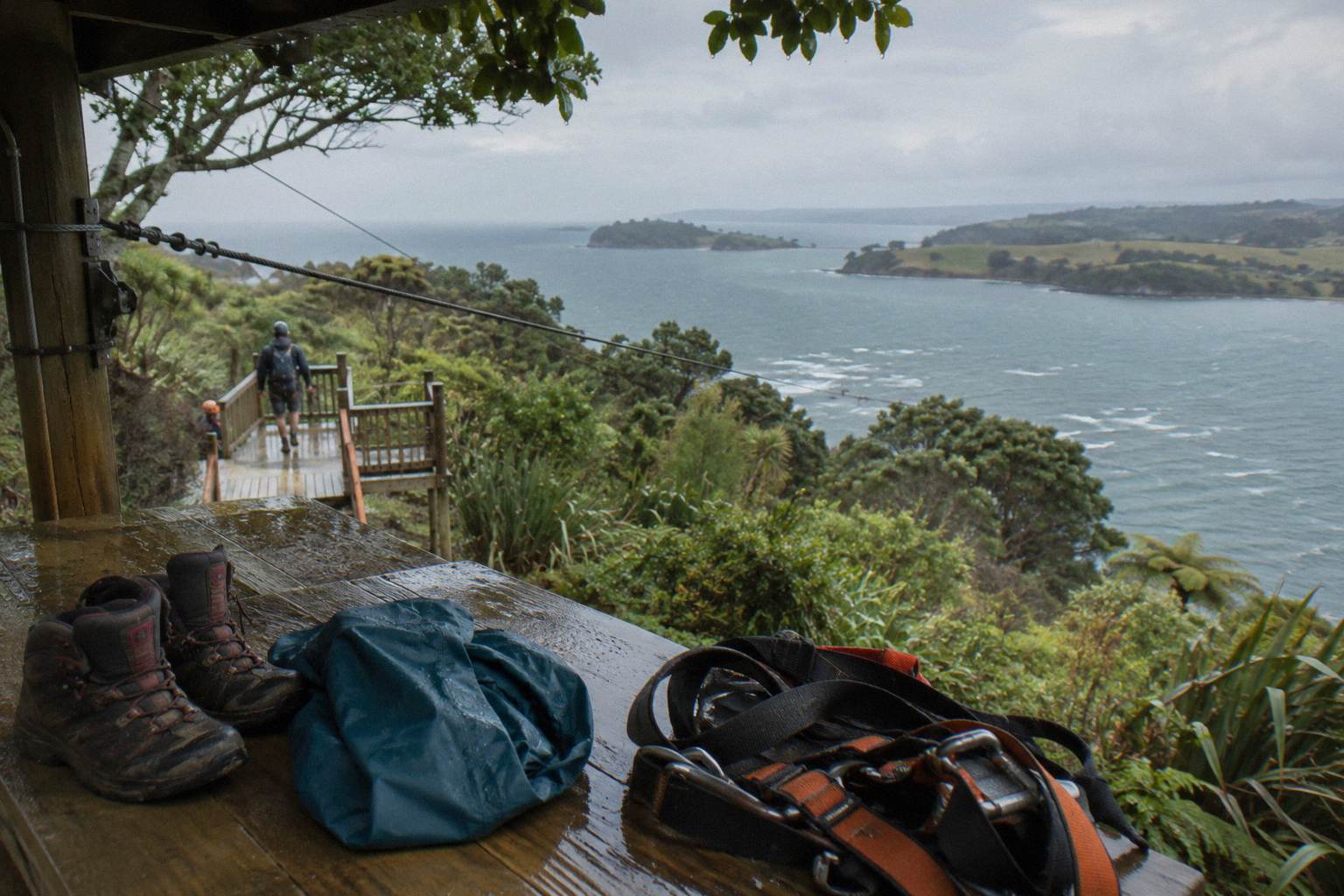
Guests who dress for the forecast rather than for the brochure photo consistently enjoy wet sessions more. The lines themselves are over in minutes each; it is the walk and the wait at Trig Hill where the right layers earn their keep.
Planning Around The Ferry When The Weather Turns
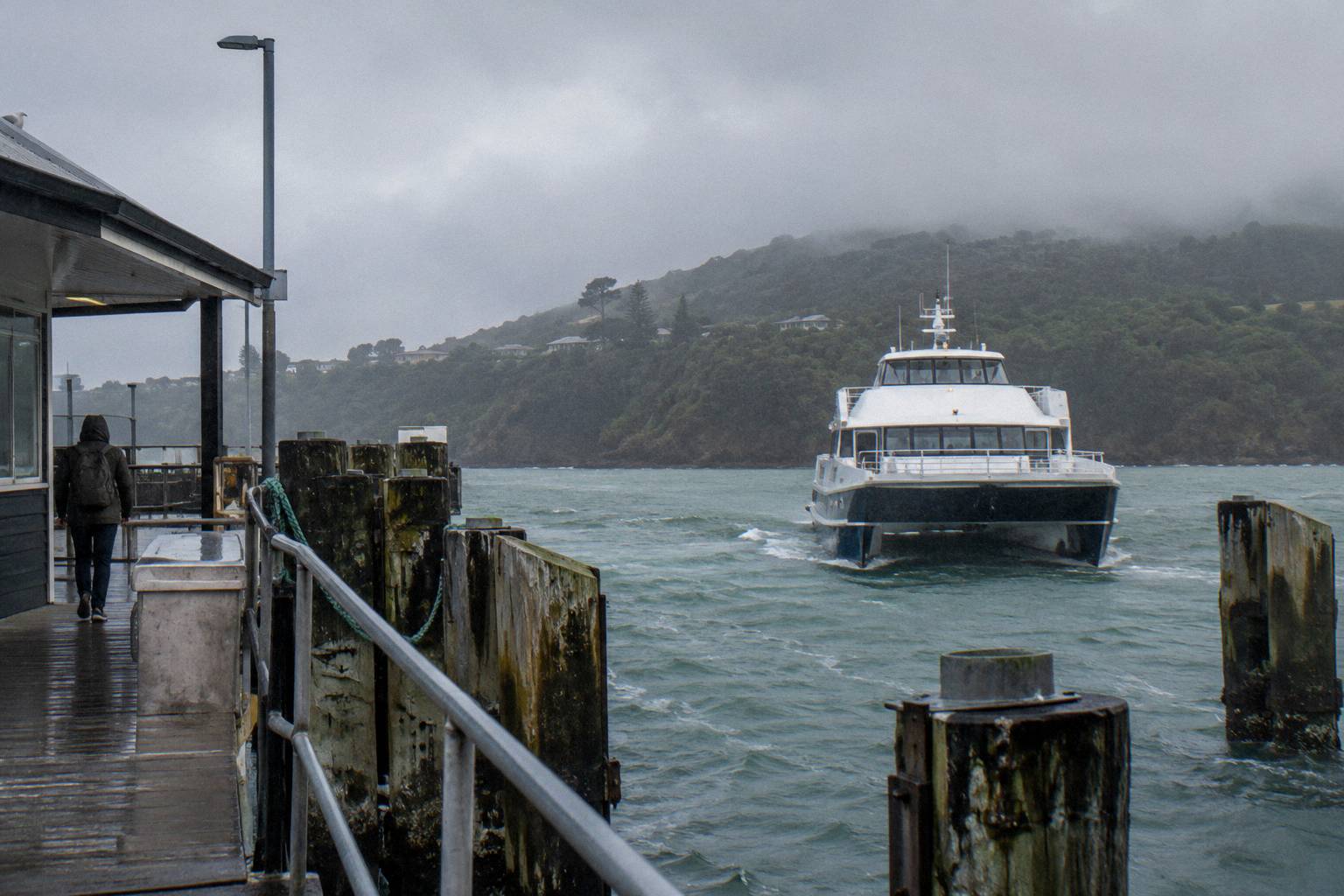
The Auckland to Waiheke ferry takes about 40 minutes, runs roughly every 30 to 60 minutes with more services at peaks, and departs from the Downtown Ferry Terminal on Quay Street. Your ferry ticket is not included in the zipline price, so a weather-driven change to your zipline slot does not automatically move your ferry booking. Check both when rebooking.
This is the practical trap in any Waiheke weather plan: the zipline and the ferry are separate bookings with separate change terms. If EcoZip moves you to a later slot because of morning wind, your return ferry is still where you left it, and Fullers360 tickets are bound by their own conditions. The operator's ferry ticketing page is the source for current fares and timetable detail; sailings are seasonal, so exact times should never be assumed from a friend's trip last year.
| Link in the chain | What weather does to it | Your protection |
|---|---|---|
| Ferry to Matiatia | Rough crossings can be slower; sailings rarely stop for wind alone | Seasonal timetable; check the day's sailings |
| Zipline session | Runs in rain; may cancel above 35 knots sustained | Free change of date or time, or full refund |
| Vineyard stops | Cellar doors mostly open daily around 11am to 5pm | Indoor fallback; tastings of 3 to 5 wines are the norm |
| Return ferry | Peak services run late, to around 11:45pm in shoulder season | Extra sailings give slack after a delayed rebook |
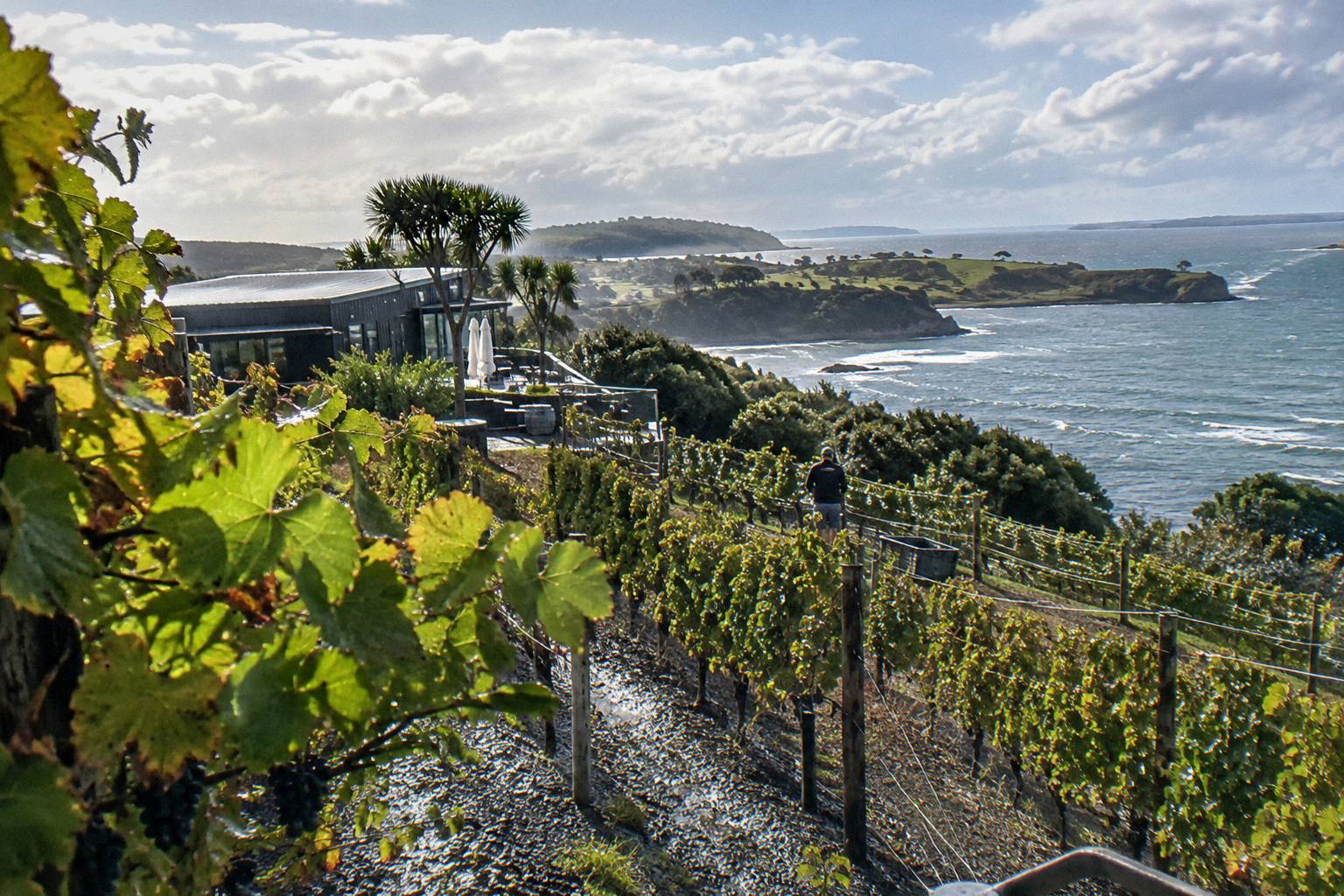
Building slack into the day is the cheapest insurance available. A morning zipline slot leaves the afternoon free for a moved session if wind delays the start, and the operator's free drop-off service runs to a list of vineyards and restaurants after the tour, including Stonyridge, Te Motu and Wild Estate, which gives you a warm, dry landing while a front blows through.
For a single-booking answer to the ferry-and-weather puzzle, the Waiheke Island Day Tour: Ziplining, Wine Tasting & Vineyard Lunch bundles the zipline and forest walk with a two-course vineyard lunch, tastings at two vineyards, and an olive oil tasting into one roughly nine-hour package, roughly one booking to move instead of three. The listing carries the current inclusions and price.
Rain-Day Alternatives If You Skip The Zipline
If you choose not to ride in the rain, Waiheke's best wet-day fallbacks are wine tours, cellar doors and the hop-on hop-off Explorer bus, all of which meet at Matiatia and run in ordinary weather. The Explorer bus carries a 4.6 rating from 3,661 reviews and loops the island from the ferry terminal, while boutique wine tours run to about five and a half hours with a 5.0 rating from 91 reviews.
Skipping the zipline in the rain is a choice, not a necessity, and it costs you nothing if you booked through a listing with the 24-hour free-cancellation window. Beyond that window, though, a running session you choose to miss is a forfeited fare, so decide the day before if you can. Once decided, the island's indoor economy is genuinely strong: around 30 wineries, some 20 cellar doors open to the public, and tasting flights that typically run NZ$20 to NZ$55 as a planning range, with the tasting room the place to confirm current charges.
| Fallback | Duration | Meets at | Best for |
|---|---|---|---|
| Boutique best-cellar wine tour, 11 guests max | About 5 h 30 min | Matiatia Wharf | Serious tasting in a small group |
| Scenic island wine tour with local tasting | 4-5 h | Matiatia Wharf ferry terminal | A shorter, lighter loop |
| Premium eRide eBike experience | About 4.5 h self-guided, up to a full day | Matiatia Ferry Terminal | Weather-dependent; better on a clearing day |
| Hop-on hop-off Explorer bus | 1 day | Auckland Ferry Terminal, 99 Quay Street | Flexibility across 16 to 17 stops |
The Explorer bus is the budget-friendly default: it starts from the Auckland Ferry Terminal at 99 Quay Street, loops the island on roughly an 80-minute circuit from Matiatia, and lets you bail into a cellar door the moment the rain eases. On a genuinely wet day, though, the guided wine tours win, because someone else handles the driving and the pours come to you.
A clearing afternoon can flip the plan again. If the wind drops and a late zipline slot opens, the operator's change policy means a morning wine tour and an afternoon zipline can share one day comfortably, especially in the longer daylight of the December to February stretch.
The Numbers Behind Waiheke Zipline Weather Calls
Waiheke's zipline weather rules come down to a handful of hard numbers: a 35-knot sustained wind ceiling, a 48-hour direct-booking refund boundary, a 24-hour listing cancellation window, and rainfall that ranges from roughly 71 mm in the driest month to 123 mm in the wettest. Every one of those figures is an operator rule or a measured average, not a guess.
The infographic below pulls those numbers into one view, so you can see at a glance which conditions move your booking and which just move your jacket choice.
The pattern to take away is that the operator has engineered around weather rather than around cancellations. Rain is absorbed by equipment and loan gear, wind is the single hard stop, and the refund structure only bites when you cancel yourself inside the published windows. Visitors who internalise that hierarchy rarely lose money to a Waiheke forecast.
One final framing from the publisher, Waiheke Zipline Tours: the weather question on this island is almost never "will it be cancelled", it is "which of my bookings do I need the flexibility on". Anchor the day with a zipline slot that has a listing's free cancellation behind it, keep the ferry timetable in your pocket, and let the rain do what it likes.
Common Questions About Waiheke Zipline Weather
Does The Waiheke Zipline Get Cancelled For Rain?
No. EcoZip Adventures runs in rain as standard, with loan wet-weather gear available at check-in. Only wind that is consistently above 35 knots may cancel a session, with a date or time change or a full refund offered.
What Wind Speed Cancels The Waiheke Zipline?
Wind that is consistently above 35 knots is the operator's cancellation threshold. Gusts and ordinary breezy conditions do not count; the call is made on sustained wind, and the operator decides on the day.
Do I Get A Refund If The Waiheke Zipline Is Cancelled For Wind?
Yes. When the operator cancels for wind above the threshold, you are offered a free change of date or time, or a full refund. This applies regardless of how you booked.
Can I Cancel My Waiheke Zipline Myself?
Yes, and the terms depend on the channel. Direct bookings are non-refundable inside 48 hours and carry a per-person charge when cancelled more than 48 hours ahead. Booking-page listings generally carry free cancellation up to 24 hours before the session.
What Should I Wear If It Rains On My Zipline Day?
Closed, laced or buckled shoes, your own rain jacket, weather-appropriate layers, and a hat that fits under a helmet. Phones and cameras must be strapped to you; free phone bungees are provided at check-in.
Is The Forest Walk Still On In The Rain?
Yes. The roughly 1.4 km guided native forest walk is a compulsory part of the experience and runs in the wet, so expect uneven, possibly muddy track. Only the guided commentary is optional, not the walk itself.