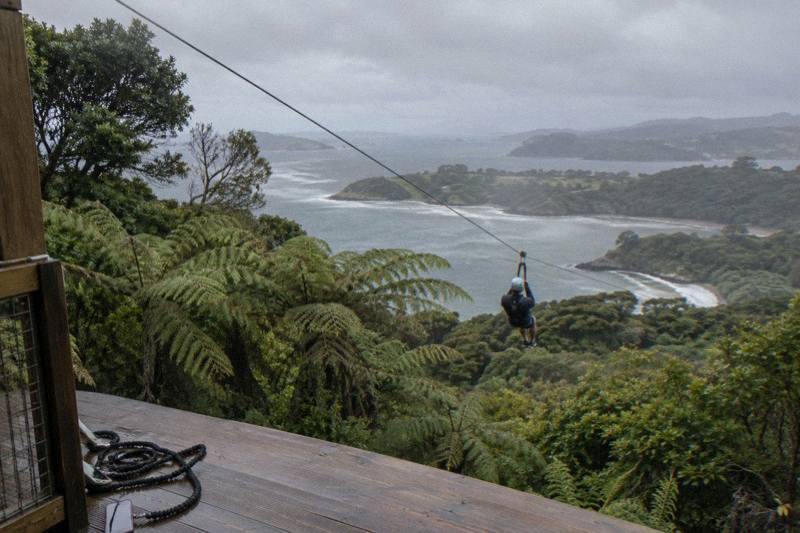
Is Ziplining Safe For Seniors? Fitness And Health Checks On Waiheke
A plain-English look at ziplining safety for older riders on Waiheke Island: age limits, health checks, the forest walk, NZ safety law and who should think twice.
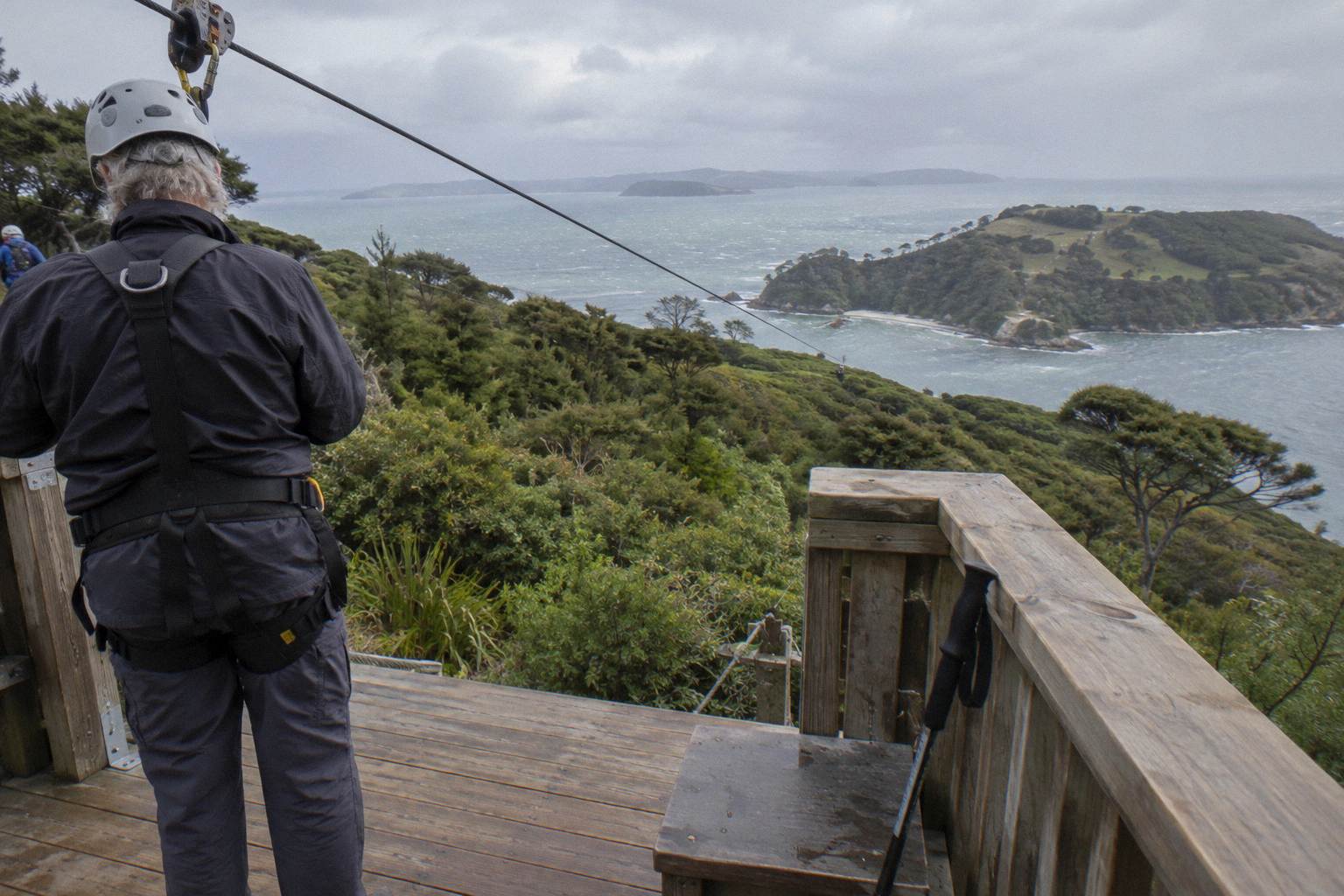
Ziplining has quietly become one of the more accessible adventure activities in New Zealand for people in their sixties, seventies and beyond. Waiheke Island's main operator, EcoZip Adventures, sets no upper age limit at all, and other NZ canopy tours have hosted guests into their nineties. The honest answer for a senior reader is that age itself is almost never the barrier. The real questions are whether you can manage a 1.4 km uneven forest walk, whether your weight falls between 30 and 125 kg, and whether any heart, back, neck or blood pressure conditions need a doctor's opinion first. This article works through each of those checks in plain language, using the operator's own published rules and New Zealand's adventure activity safety law, so an older traveller can decide for themselves whether to book.
Is Ziplining Safe For Seniors?
For the great majority of healthy seniors, yes: commercial ziplining on Waiheke is a low-impact, guided activity with no participant age ceiling, dual cables, backup braking and daily equipment inspections. The activity is regulated under New Zealand adventure activity law, and the operator must pass an independent safety audit. What catches older riders out is not age but fitness for the forest walk and unmanaged health conditions.
The reassuring starting point is that age limits, where they exist in New Zealand, only ever run one direction: minimums. Rotorua Canopy Tours states plainly that it has no upper age limit and prioritises fitness, mobility and the ability to meet physical requirements instead, with guests up to 93 years old having completed its tours. Ziptrek Ecotours in Queenstown reports zipping guests over 90. EcoZip Adventures on Waiheke publishes no age ceiling whatsoever, and its booking terms instead require a parent or guardian signature only for under-18s. Nobody asks an older rider for proof of anything except that they can take part safely.
The other half of the picture is regulatory. Since 2016, commercial zipline operators in New Zealand have fallen under the Health and Safety at Work (Adventure Activities) Regulations, which require a safety audit and registration with WorkSafe NZ before offering flights to the public. EcoZip is AdventureMark accredited, uses ZipStop braking with backup systems, and inspects hardware daily, weekly and monthly. That does not make ziplining risk-free, nothing at height ever is, but it means the activity a senior books on Waiheke sits inside an audited safety system rather than a backyard flying fox.
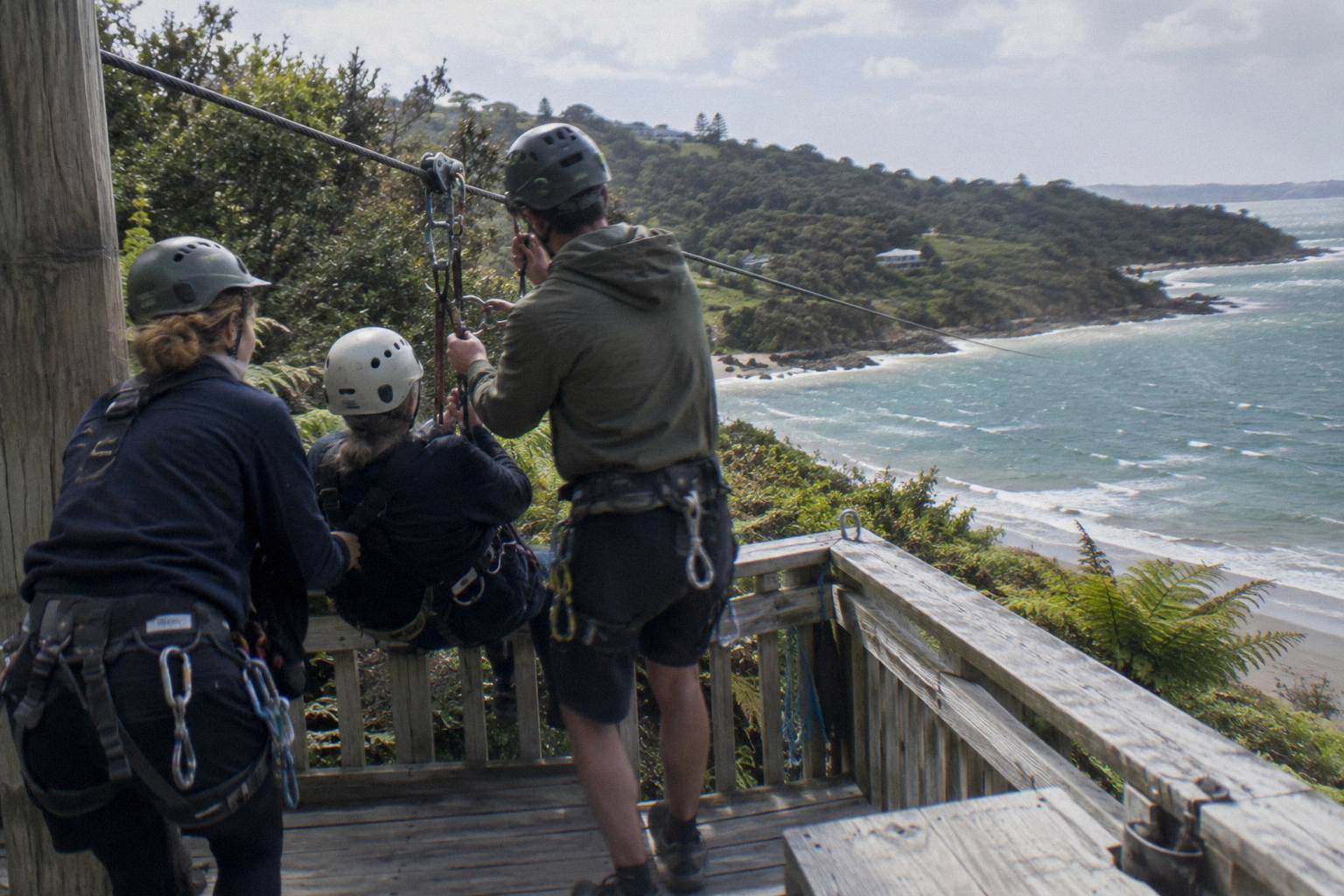
For a first-timer weighing it up, the three flagship ways to fly the island's cables are below: the classic EcoZip experience, its near-twin adventure trip, and the vineyard-integrated Man O' War Forest Flight.
What Is The Upper Age Limit For Ziplining On Waiheke?
There is none. EcoZip Adventures sets no maximum age for its Waiheke ziplines, only a minimum requirement that under-18s have a guardian agree to the terms and sign the risk disclosure form. Weight, not age, is the hard gate: riders must weigh at least 30 kg and no more than 125 kg, and everyone is weighed discreetly at check-in.
That weight range is a genuinely physical constraint rather than a policy preference, and it is worth an older reader understanding why. Manufacturers rate the harness, trolley, cable and brake for a specific load range; a rider outside it either cannot build enough momentum to reach the braking zone reliably or risks overloading the arrival brake. Every rider, whatever their age, is weighed discreetly at EcoZip check-in, and being over or under the range is not automatically refunded, so it is far better to check at home than argue at Trig Hill.
The weight band itself is generous by international standards. Generic commercial zipline limits elsewhere commonly sit around 23 to 125 kg, and New Zealand operators cluster between 120 kg and 125 kg maximum, from Rotorua Canopy Tours at 120 kg to Ziptrek at 125 kg. A senior traveller within that range and able to walk unassisted has cleared the two gates that actually exist.
Is there a doctor's note required for age? No. What the operator's terms do instead is list health conditions that may impair safety, and reserve the right to refuse anyone affected by alcohol or drugs. The rest of this article covers those conditions, because that list, not your birth year, is the real screening tool.
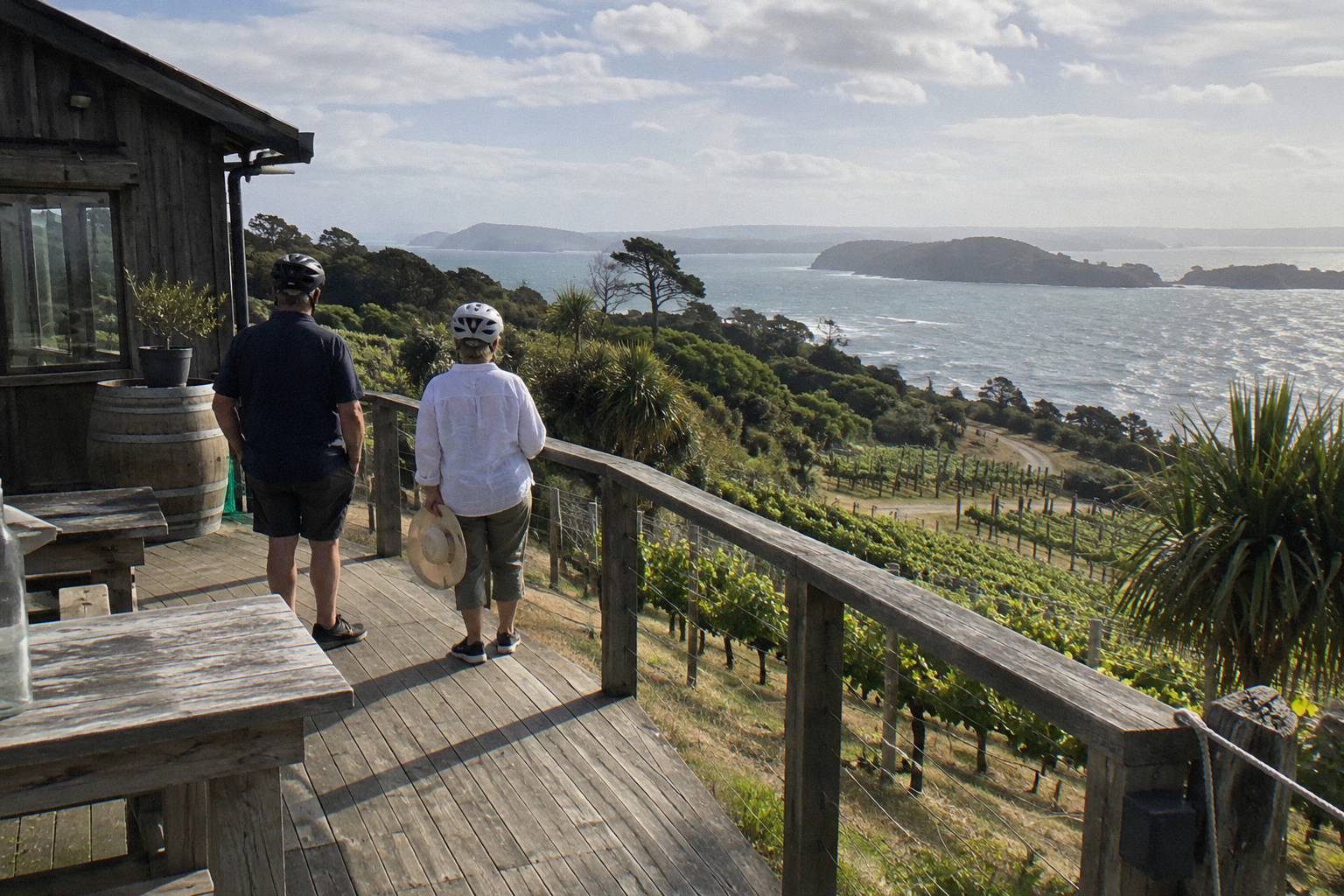
If you have already decided the classic three-hour trip suits you, this is a good moment to check dates: the EcoZip zipline and forest walk listing carries the current price and availability. We also compare whether a 70-year-old can go ziplining on Waiheke in more detail in a companion post.
Which Health Conditions Matter Before A Zipline Flight?
The conditions that matter are pregnancy, heart conditions, high blood pressure, epilepsy, neck or back injuries and recent surgery. EcoZip's terms list these as conditions that may impair safe participation, and NZ operators commonly exclude pregnancy, with cutoffs ranging from 15 weeks at Rotorua to a blanket ban elsewhere. Anyone with a chronic condition should clear it with a doctor before booking.
The reason is mechanical as much as medical. A zipline harness wraps the body under load, braking can be abrupt, and the forest walk adds uneven ground and steady uphill stretches. A rider whose back or neck cannot tolerate a jarring stop, or whose heart should not take a short adrenaline spike, is being asked to do more than sit still. Operators state this themselves: Zipline Christchurch excludes participants with previous neck or back injuries, and standard medical guidance for ziplining with back, neck or spinal problems is to consult a doctor first, with recent injuries commonly treated as contraindications.
| Health factor | Why it matters on a zipline | What to do before booking |
|---|---|---|
| Heart condition or high blood pressure | Adrenaline spike and harness pressure | Ask your GP or specialist |
| Back, neck or spinal problems | Braking jolts and harness position | Medical clearance first |
| Pregnancy | Harness pressure across the abdomen; most NZ operators exclude it | Choose another island activity |
| Epilepsy or seizure conditions | A seizure mid-flight is unmanageable | Medical advice, and disclose on the risk form |
| Recent surgery | Healing tissue and harness load | Wait for full clearance |
| Medication causing dizziness | Balance on platforms and the forest walk | Check side effects with a pharmacist |
Honesty on the risk disclosure form is not paperwork theatre. Guides can only manage what they know about, and the form is where an older rider with a fused vertebra or a stent tells the operation what it is dealing with. Disclosing does not usually mean exclusion; it means the guide pairs you differently, slows the brief, or checks your harness fit twice.
Fear of heights deserves its own mention. Operators advise that severe acrophobia is a genuine reason to reconsider, because a panicked rider on a platform is a safety issue for everyone. Mild nerves, by contrast, are close to universal among first-time riders of every age, and a nervous-suitable briefing is something we cover in our guide for first-timers worried about the Waiheke zipline. Our longer read on who should not go zip lining walks the full exclusion list.
The 2-hour Man O' War Forest Flight, flying tandem lines over 900 m of vineyard forest toward a beachfront tasting room, is a popular pick for exactly this kind of careful first flight, and it comes with the same low-impact profile of a short walk between flights.
How Fit Do You Need To Be For The Forest Walk?
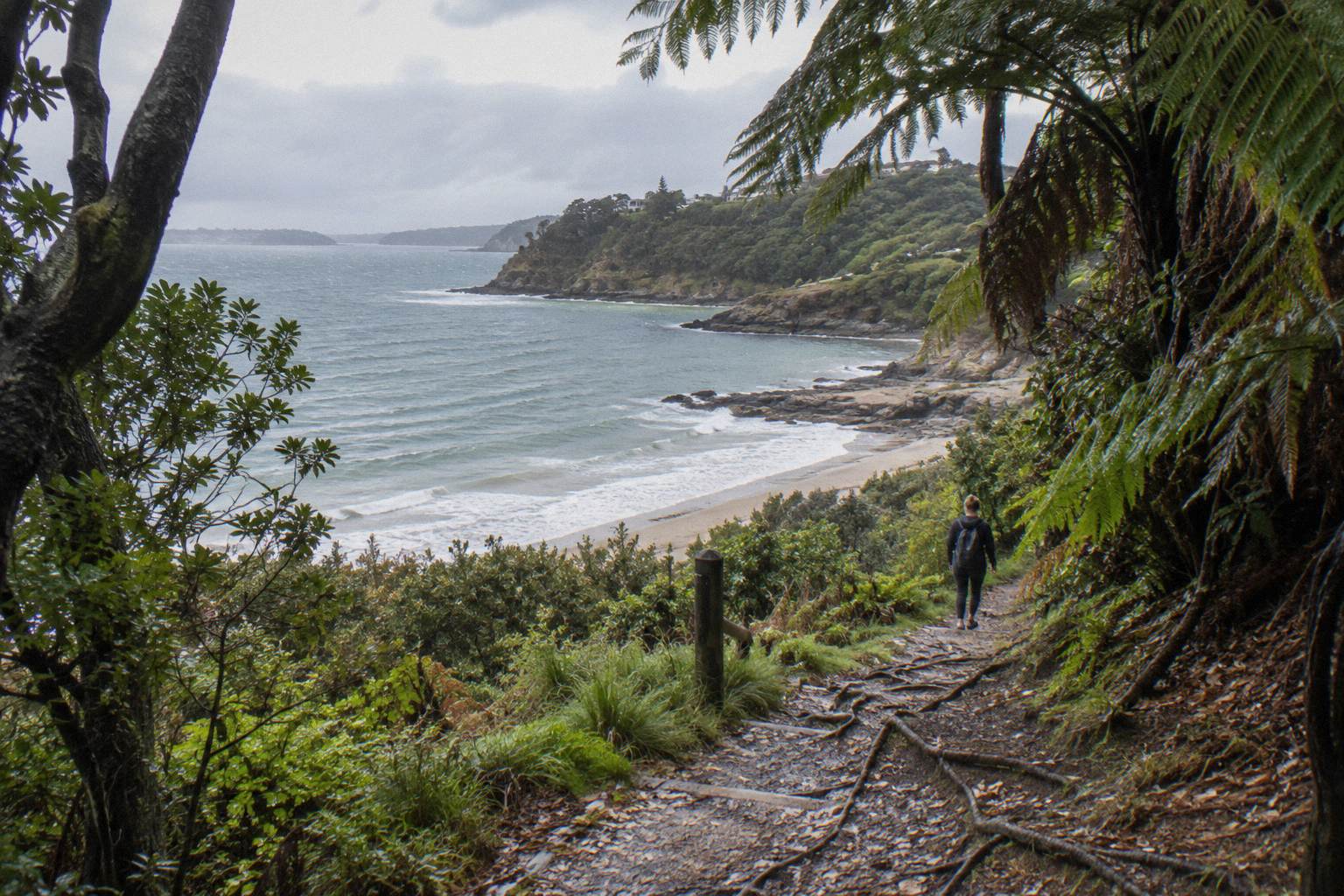
The zipline flights themselves demand almost no fitness: you step off a platform and land on another. The forest walk is the fitness test. EcoZip's guided native forest walk is about 1.4 km, uneven underfoot, with switchbacks and a few steady uphill stretches, possibly muddy after rain, and the guided commentary is optional but the walk is not.
This is the single most under-read paragraph on the operator's FAQ page, and it matters most to older riders. Three flights of roughly 200 m each are over in minutes; the walk back through the regenerating native forest takes the better part of an hour at a conversational pace. Reasonable fitness is the operator's own stated requirement. If you can comfortably manage an hour's stroll on a bush track with some steps, you are in range. If a kilometre on uneven ground is a genuine struggle, the walk, not the cables, is what should give you pause. More of these guides are collected on Waiheke Zipline Tours.
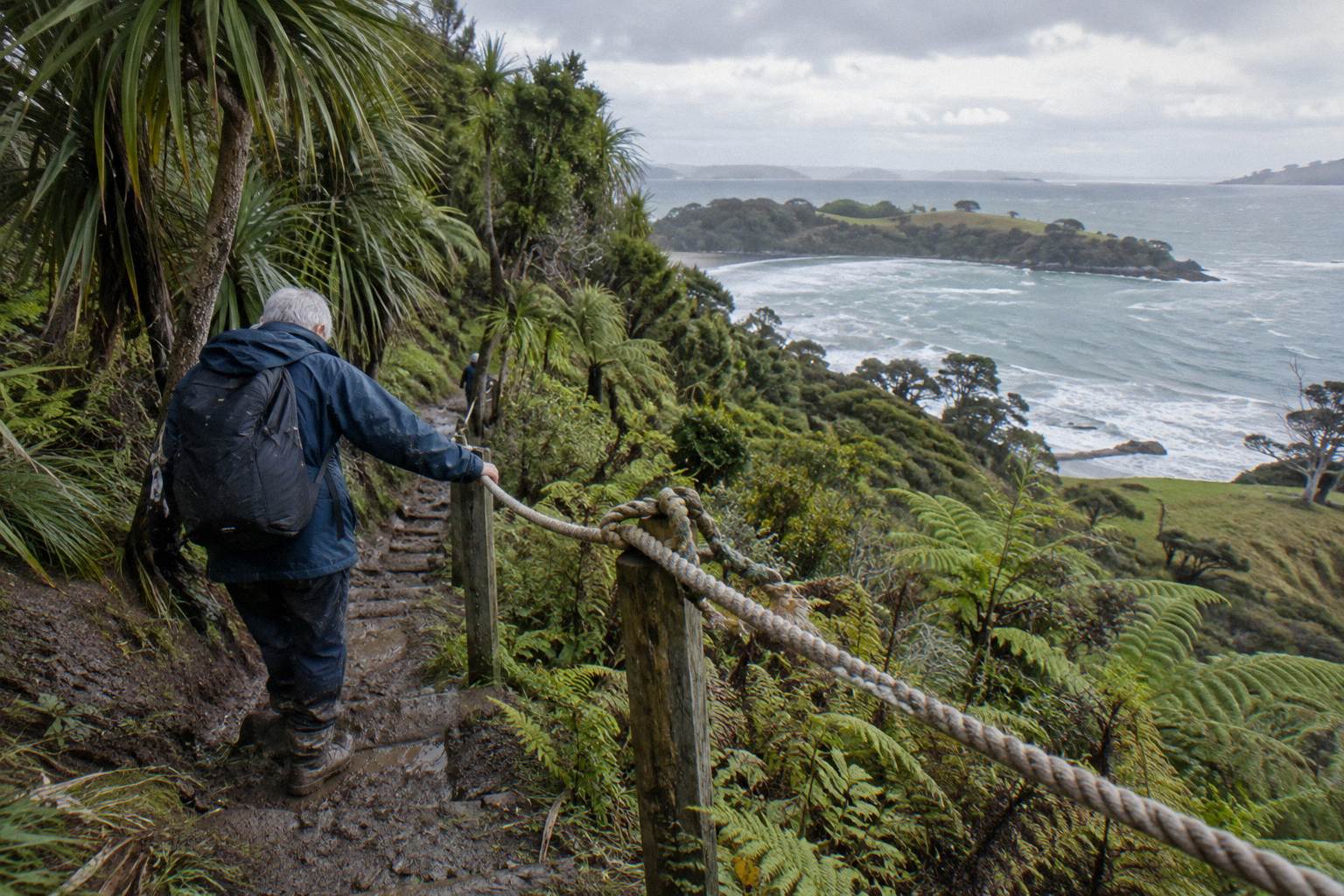
There are honest workarounds and honest limits. Sturdy closed shoes rather than jandals, a warm layer, and a hat that fits under a helmet are the operator's own kit advice, and pacing yourself at the back of a group of up to 12 with 2 guides is entirely normal. But the walk cannot be skipped, so a senior with limited mobility should read our page on Waiheke zipline accessibility and mobility before booking rather than after.
For context on the injury picture overall, a US emergency department study covering 1997 to 2012 counted an estimated 16,850 zipline-related injuries across sixteen years, with fractures accounting for 46.7% and falls accounting for 77.3% of cases. Those numbers cover every kind of zipline, including homemade and unregulated ones, and the dominant injury pattern, falls and upper-extremity fractures, maps onto reaching and landing rather than the flight itself. It is an argument for listening to the braking and hand-position briefing, not for staying home.
What Does New Zealand Safety Law Require Of A Zipline Operator?
Under the Health and Safety at Work (Adventure Activities) Regulations 2016, every commercial zipline operator must pass an independent safety audit and register with WorkSafe NZ before selling flights. The audit standard was strengthened in 2023 and applies in full from 1 April 2024, covering safety management systems from gear inspection to guide competence.
For a senior reader, this is the structural reassurance that sits underneath the personal checks. The regulations exist because adventure tourism once grew faster than the oversight around it, and the 2016 regime closed that gap by making audit-and-registration compulsory rather than voluntary. The WorkSafe notice confirming the current audit standard spells out what operators must now demonstrate. Certification bodies such as AdventureMark, a JAS-ANZ accredited, WorkSafe-approved auditor, issue the certification that lets an operator trade legally, and EcoZip's own safety page documents its accreditation, braking systems and inspection schedule in full public view.
Equipment standards do the rest. Dual-cable ziplines of the kind EcoZip flies use a primary brake plus an independent emergency arrest device that engages automatically if the primary fails, and international standards for aerial adventure courses, ASTM F2959 and ANSI/ACCT 03-2019, specify design, braking and operation criteria that accredited operators build against. None of this eliminates risk; it contains it, which is the honest promise of any audited adventure operator.
| Safety layer | What it is | Where a senior sees it |
|---|---|---|
| Operator registration | WorkSafe NZ registration under the 2016 Adventure Activities Regulations | Legal precondition of the booking existing at all |
| Safety audit | Independent audit against the WorkSafe standard | Accreditation statements on the operator's site |
| Harness and weight check | Discreet weighing, harness fit checked at 30-125 kg | At check-in, before the shuttle |
| Braking systems | Primary ZipStop brake plus independent emergency arrest | The landing you feel at each platform |
| Guided ratio | Up to 12 guests with 2 guides | The briefing and the walk |
| Daily equipment inspection | Daily, weekly and monthly hardware checks | Invisible, but continuous |
One more regulatory point worth knowing: weather rules are the operator's call, not a negotiation. EcoZip runs in rain and cancels if wind is consistently above 35 knots, offering a date change or a full refund. An older rider who would rather not fly in poor conditions can take that reschedule without penalty, which our piece on Waiheke zipline weather, wind and cancellations explains in full.
What Do Older Riders Actually Report?
Reviews from senior-aged guests on Waiheke's ziplines run strongly positive, with common themes of reassuring guides, manageable pace and surprise at their own nerve. The Boutique cellar tour on the same island, a natural pairing, holds a 5.0 rating from 91 reviews, while the hop-on hop-off Explorer bus scores 4.6 from 3,661 reviews, both pools that include plenty of travellers over 60.
We report review data plainly rather than as a promise. The zipline products themselves carry ratings and review counts on their live listings, which is where current figures belong rather than frozen in an article. What the qualitative pattern shows, across guest reviews on the operator's listing and elsewhere, is that older riders single out the same three things: guides who take time over harnessing and briefing, the dual side-by-side cables that let a nervous flyer go with a partner, and the forest walk's commentary giving the adrenaline somewhere to settle.
That last point deserves emphasis for seniors specifically. A pure adrenaline product with no breather between hits is a young person's format. Waiheke's ziplines are built the other way round: three flights punctuating a guided nature walk, with a 20-minute commentated island highlights shuttle at the start and an optional vineyard drop-off at the end. The rhythm suits an older body, and reviewers in their sixties and seventies say so in their own words.
| Concern a senior names | What actually happens | Confidence factor |
|---|---|---|
| "I'll be the oldest there" | No upper age limit; NZ operators have flown riders over 90 | Rotorua and Queenstown operator statements |
| "My knees won't manage it" | Walk is 1.4 km, uneven, with steady uphill stretches | Say so when booking; pace at the back |
| "What if I panic mid-flight?" | Guides brief hand positions and braking before every flight | Mild nerves are routine and handled |
| "Is the gear checked?" | Daily, weekly and monthly hardware inspections | AdventureMark accreditation since 2012 |
| "What if the weather turns?" | Rain runs; wind over 35 knots means reschedule or refund | Operator weather policy |
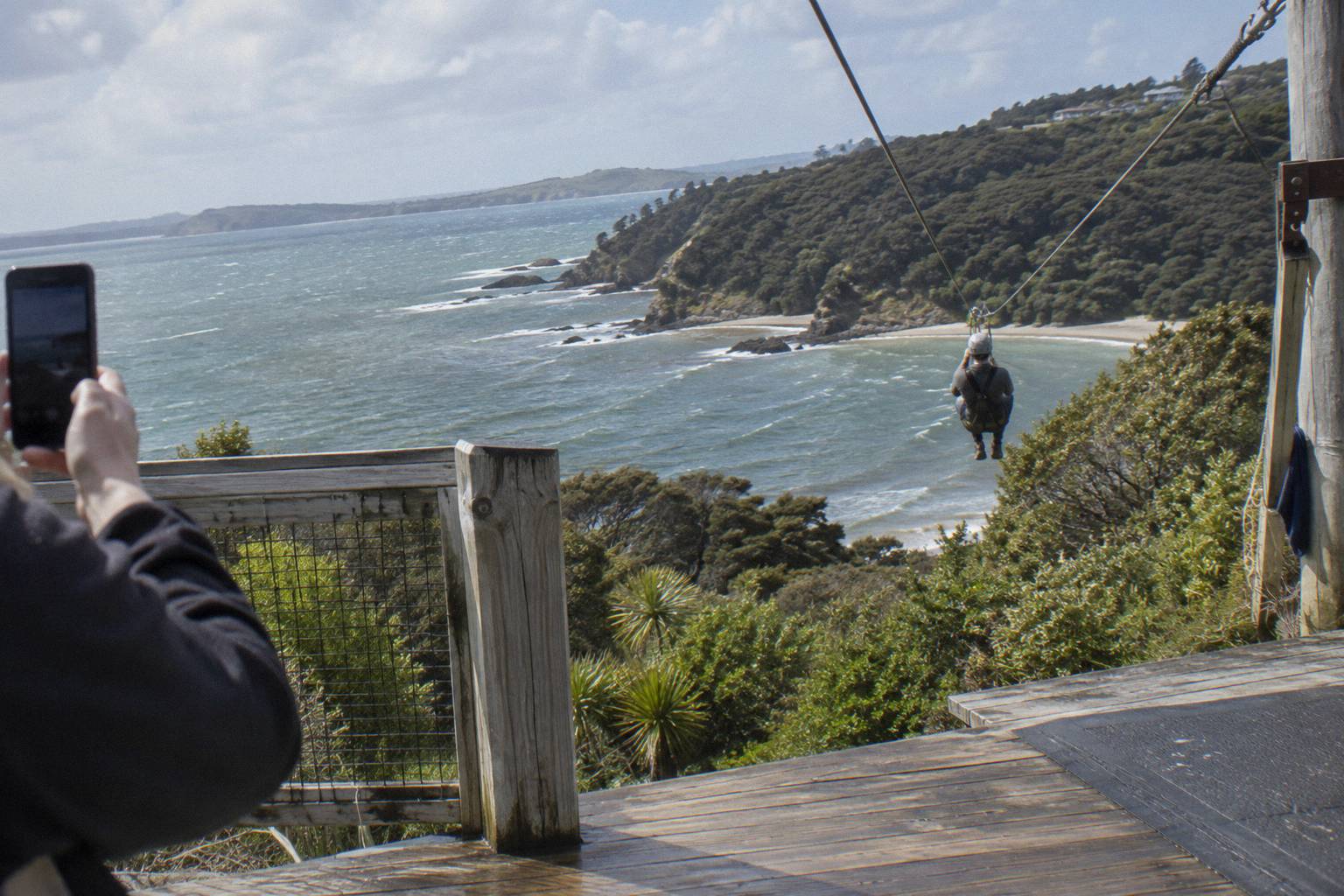
The nearest twin to the classic trip, the Waiheke Island: Zipline and Native Forest Adventure Trip, covers the same three 200 m dual flights and forest walk in about 3 hours from Matiatia, adding a phone bungee so a camera stays attached, a small thing that matters to plenty of older flyers.
Practical Tips For A First Zipline After 65
Book a morning slot, wear closed laced shoes, disclose every condition on the risk form, ask to walk at the back of the group, and let the guides do the worrying. Arrive via the 40-45 minute Fullers ferry from Downtown Auckland with a spare sailing's margin, and remember the ferry ticket is not included in the zipline price.
Small practical choices carry a lot of weight on the day. Morning slots tend to mean lighter winds than afternoon sea breezes, and calmer air is a genuinely more pleasant first flight for anyone whose balance is not what it was. Closed, laced or buckled shoes are compulsory, jandals are refused, and a hat that fits under a helmet plus sunscreen covers the New Zealand sun, which is fiercer than most visitors expect even at 9 am. Phones and cameras must be strapped to clothing or harness, with free phone bungees at check-in, which we expand on in our guide to Waiheke zipline photos, GoPros and phones.
Timing the ferry matters more than timing your courage. The crossing from the Downtown Ferry Terminal to Matiatia takes about 40 to 45 minutes direct, sailings are seasonal, and the EcoZip shuttle meets the ferry before a 20-minute commentated ride to Trig Hill. Our page on catching the ferry to Matiatia for a morning zipline slot maps the whole chain. If your knees or heart say a full three-hour loop is too much on a given day, whether the Man O' War or EcoZip course suits you better is worth reading, since the Forest Flight's 2-hour format and 660 m boardwalk trade some flight time for gentler footing.
Finally, listen at the briefing and do exactly what it says. Safety briefings tell riders not to grab the cable, to use designated hand positions, and to adopt the braking and leg position taught on the ground. The falls and fractures in the injury data overwhelmingly involve people improvising at the landing, and a senior who follows instruction is following the safest script there is. For the wider family picture, our guide to Waiheke ziplines for families and groups covers three-generation bookings, where grandparents flying alongside grandchildren is a regular request the operator handles well.
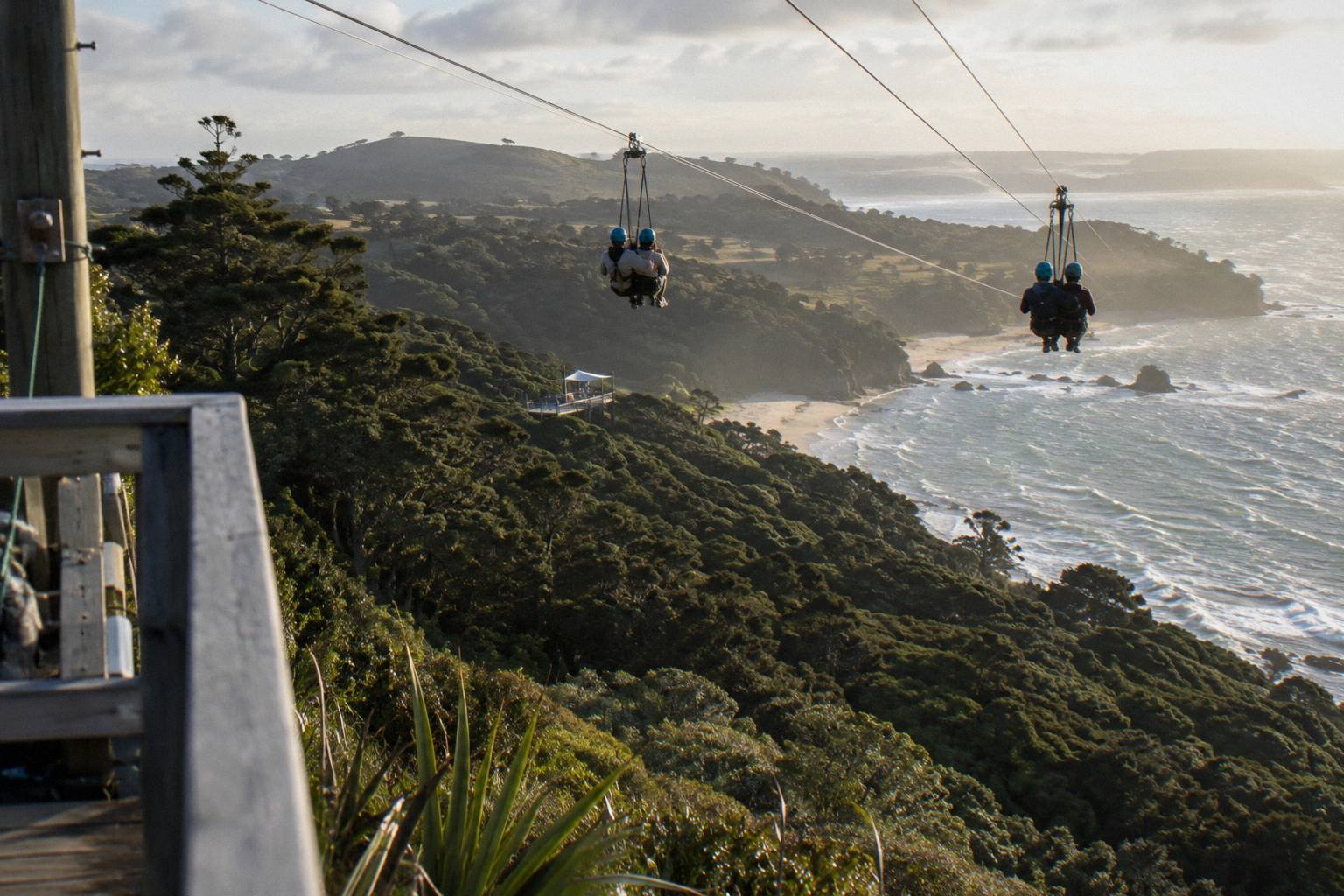
If the checks in this article have gone your way, no age ceiling, weight in range, doctor happy, walk manageable, then the decision is really about which of Waiheke's zipline formats fits your day, and all three sit below.
Common Questions About Ziplining Safety For Seniors
Is Ziplining Safe For Seniors?
Yes, for the great majority of healthy seniors. Waiheke's EcoZip sets no upper age limit, New Zealand operators elsewhere have flown riders over 90, and the activity sits under audited safety law. The real checks are the 30-125 kg weight range, fitness for a 1.4 km uneven forest walk, and clearing any heart, back, neck or blood pressure conditions with a doctor first.
What Is The Maximum Age For Ziplining On Waiheke?
There is no maximum age. EcoZip Adventures publishes no upper age limit; its only age-related rule is that under-18s need a parent or guardian to agree to the booking terms and sign the risk disclosure form. Fitness and health, not birth year, decide participation.
Do Seniors Get Weighed Before Ziplining?
Everyone does, whatever their age. EcoZip weighs all riders discreetly at check-in because the harness, cable and brake are rated for riders between 30 kg and 125 kg. Being outside the range is not automatically refunded, so it is best checked at home.
Can I Zipline With A Bad Back Or Neck?
Only with medical clearance. EcoZip's terms list back and neck injuries among conditions that may impair safe participation, and New Zealand operators elsewhere exclude riders with previous neck or back injuries. Abrupt braking loads the spine, so ask your doctor before booking rather than after.
How Difficult Is The Forest Walk After The Ziplines?
It is about 1.4 km, uneven underfoot, with switchbacks and a few steady uphill stretches, and it may be muddy after rain. The guided commentary is optional but the walk itself is not, so reasonable fitness is required. Walking at the back of the group of up to 12, with 2 guides, is entirely normal.
Is There A Doctor's Note Requirement For Older Riders?
No. No New Zealand zipline operator requires a doctor's note by age. The expectation instead is honest disclosure on the risk disclosure form and personal judgement: anyone with a heart condition, high blood pressure, epilepsy, recent surgery or a back or neck problem should clear the activity with their doctor before booking.