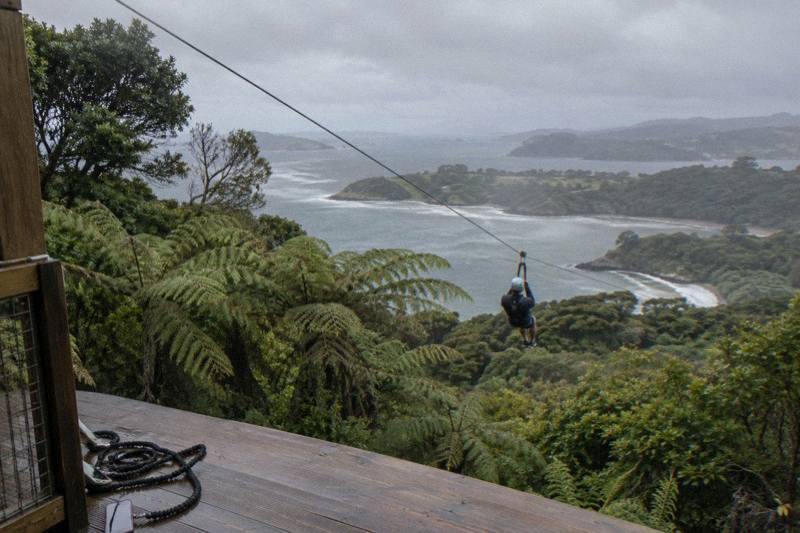
What Not To Do On A Zipline? Rules From The Waiheke Briefing
The mistakes that get zipline riders stopped at check-in, slowed on the line or refused a flight, drawn from the Waiheke operators' own safety briefing and terms.
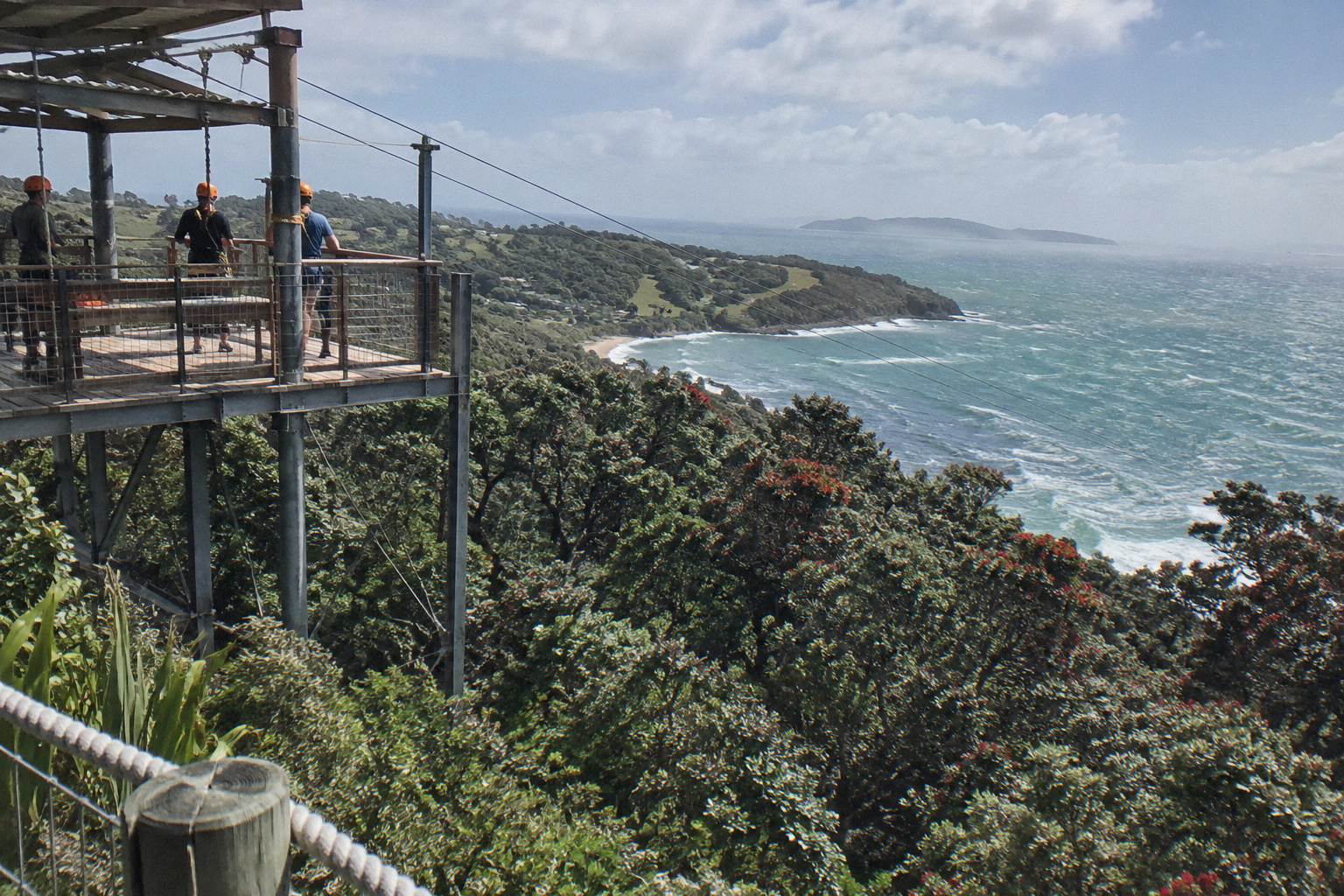
Zipline briefings are short, and for good reason: nearly everything that goes wrong on a commercial course goes wrong in one of a few predictable ways. Riders grab the cable mid-flight. Phones fall out of pockets. Someone arrives in jandals, or after a lunch of wine, or with a back injury the harness will aggravate. None of these are exotic failures, and all of them are covered in the first five minutes on the platform.
The rules below are drawn from the Waiheke operators' own published material: EcoZip Adventures' FAQ and terms pages, the Man O' War Forest Flight listing, and the wider New Zealand operator guidance that shapes how every briefing on the island is run. Where a rule is specific to Waiheke, that is noted. Where it is universal, the reason behind it is explained, because a rule you understand is a rule you keep.
What Not To Do On A Zipline?
Do not grab the cable with your hands, do not carry loose items, do not ignore the guide's braking and body-position instructions, do not arrive in jandals or under the influence of alcohol or drugs, and do not book without checking the weight range or declaring a medical condition the operator lists. Every one of these appears in the Waiheke briefing or the operator's terms, and each has caused real injuries elsewhere.
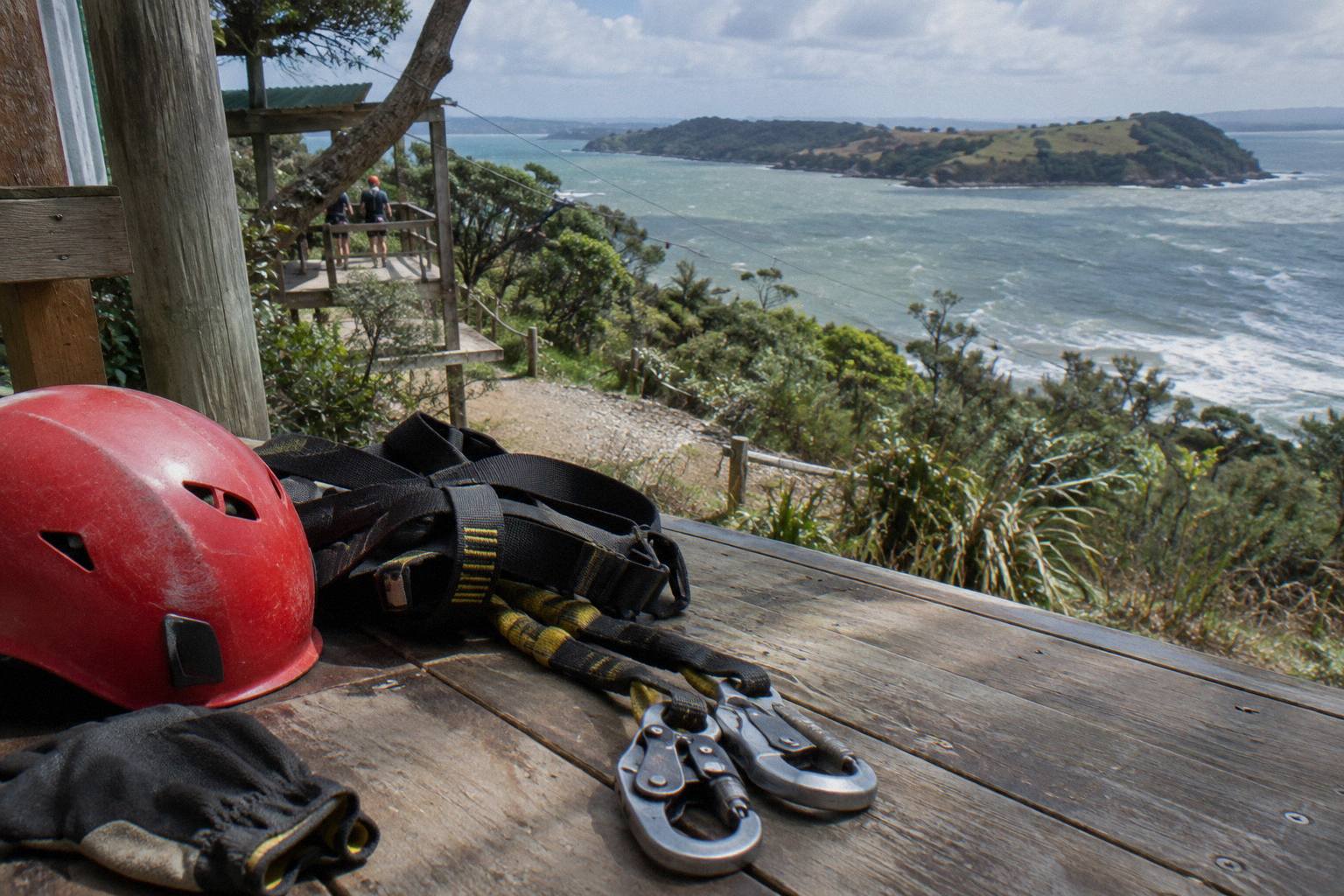
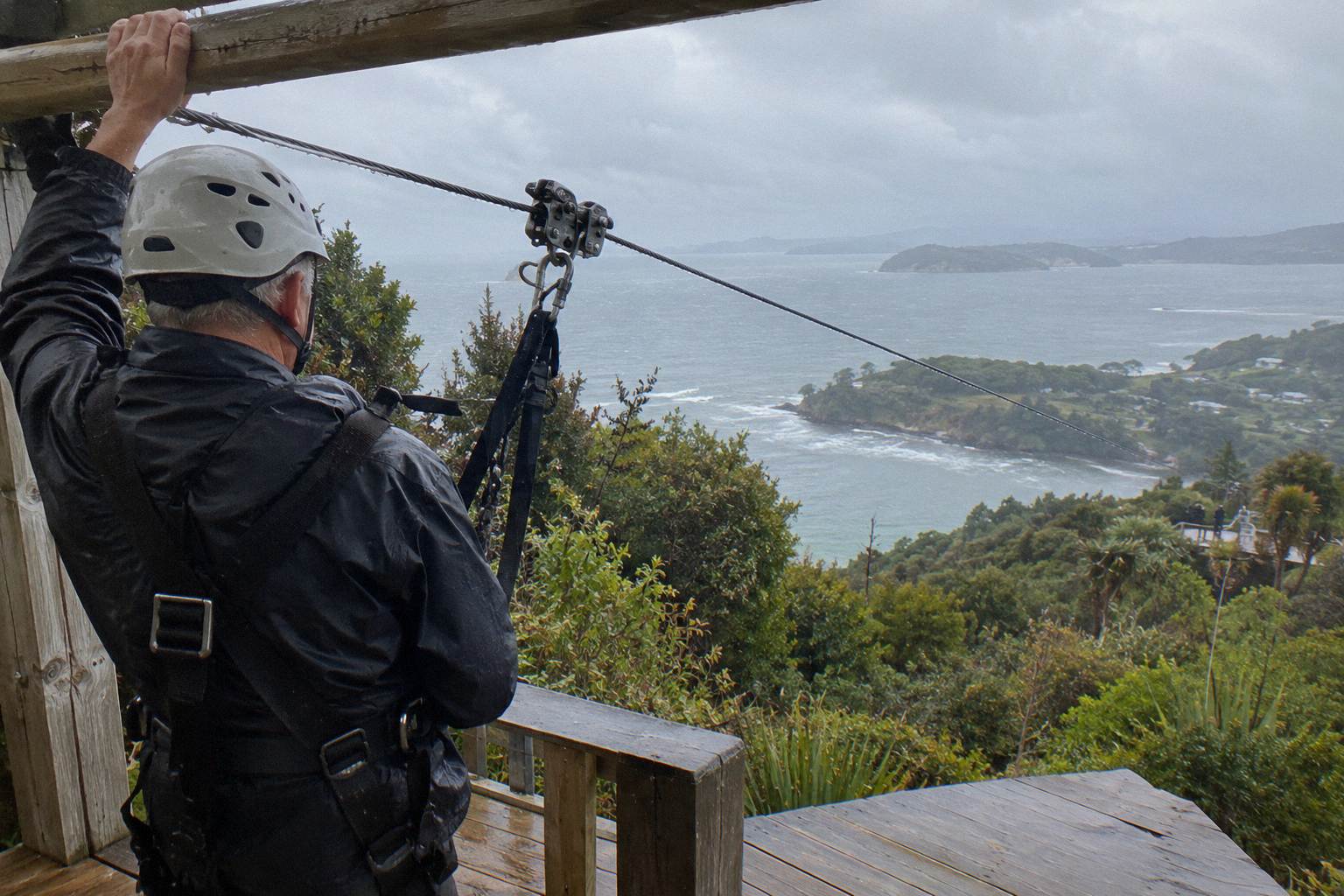
Start with the hands. Safety briefings instruct participants never to grab the cable, because a moving steel wire travelling at speeds of 50 km/h or more will burn through skin before you can let go. Operators teach designated hand positions instead, usually on the trolley or the harness, and the instruction exists because the reflex to reach up and catch yourself is strong when you feel unstable. A US emergency-department study of zipline injuries treated between 1997 and 2012 found falls accounted for 77.3% of them, and upper extremities were the most commonly injured body region at 44.1%, a pattern consistent with people putting hands and arms where they should not be.
Loose items come next. EcoZip's FAQ is explicit that phones and cameras must be strapped to clothing or the harness, and the operator hands out free phone bungees at check-in precisely so this rule is easy to follow. A dropped phone from 20 metres up is a hazard for anyone on the forest floor below and a lost device for you. Hats must fit under a helmet. Anything that can fall, will eventually fall, which is why the briefing treats pockets as suspect until they are zipped.
Then comes the instruction problem. The guide's braking and leg-positioning calls are not suggestions. On the EcoZip course the third line, Kurinui, runs 220 metres and reaches speeds over 50 km/h, and arriving at the platform with your legs in the wrong position turns a controlled landing into a collision. Riders who tune out the briefing because they have ziplined before are the ones guides watch most closely, because courses differ and braking systems differ with them.
Why Can You Not Grab The Zipline Cable?
The cable is moving steel under tension, and at the speeds a Waiheke line reaches, typically over 50 km/h on EcoZip's Kurinui flight, bare skin on the wire produces a friction burn or laceration before your grip can slow you at all. Your hands also do nothing to stop you: braking is done by the course equipment, not the rider.
The physics are unforgiving. A zipline trolley rolls on sealed bearings precisely because metal on cable has enormous friction, and skin has no bearing at all. Riders who panic and reach for the wire above their head generally arrive at the platform with a rope burn across the fingers and palms, and in the injury data this shows up clearly: fractures made up 46.7% of zipline-related emergency-department presentations in the 1997-2012 US study, and the arm and hand were the leading region hurt. Operator guidance published by Koloa Zipline, a course operator, lists grabbing the cable among the core "what not to do" instructions, alongside holding the trolley itself during flight.
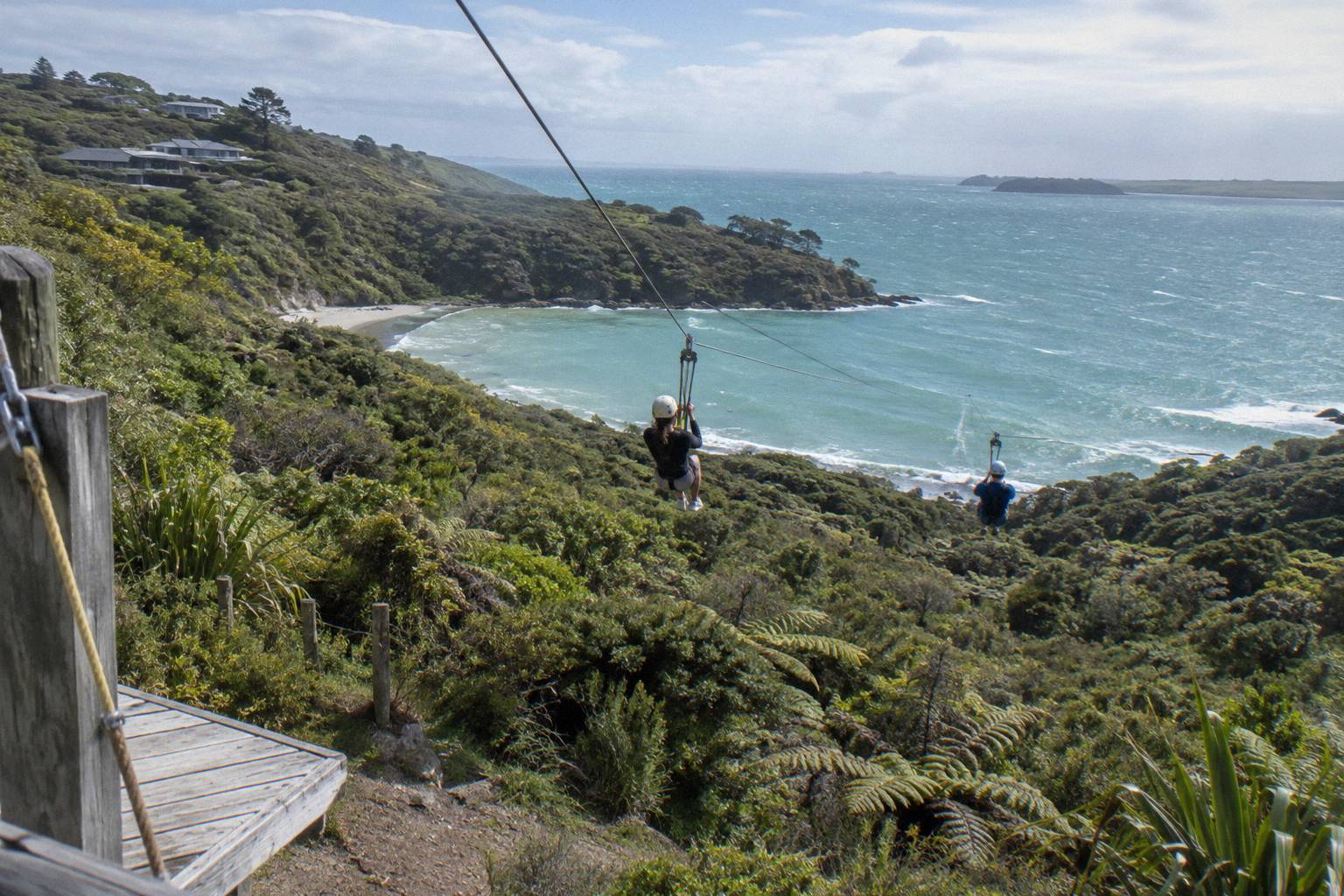
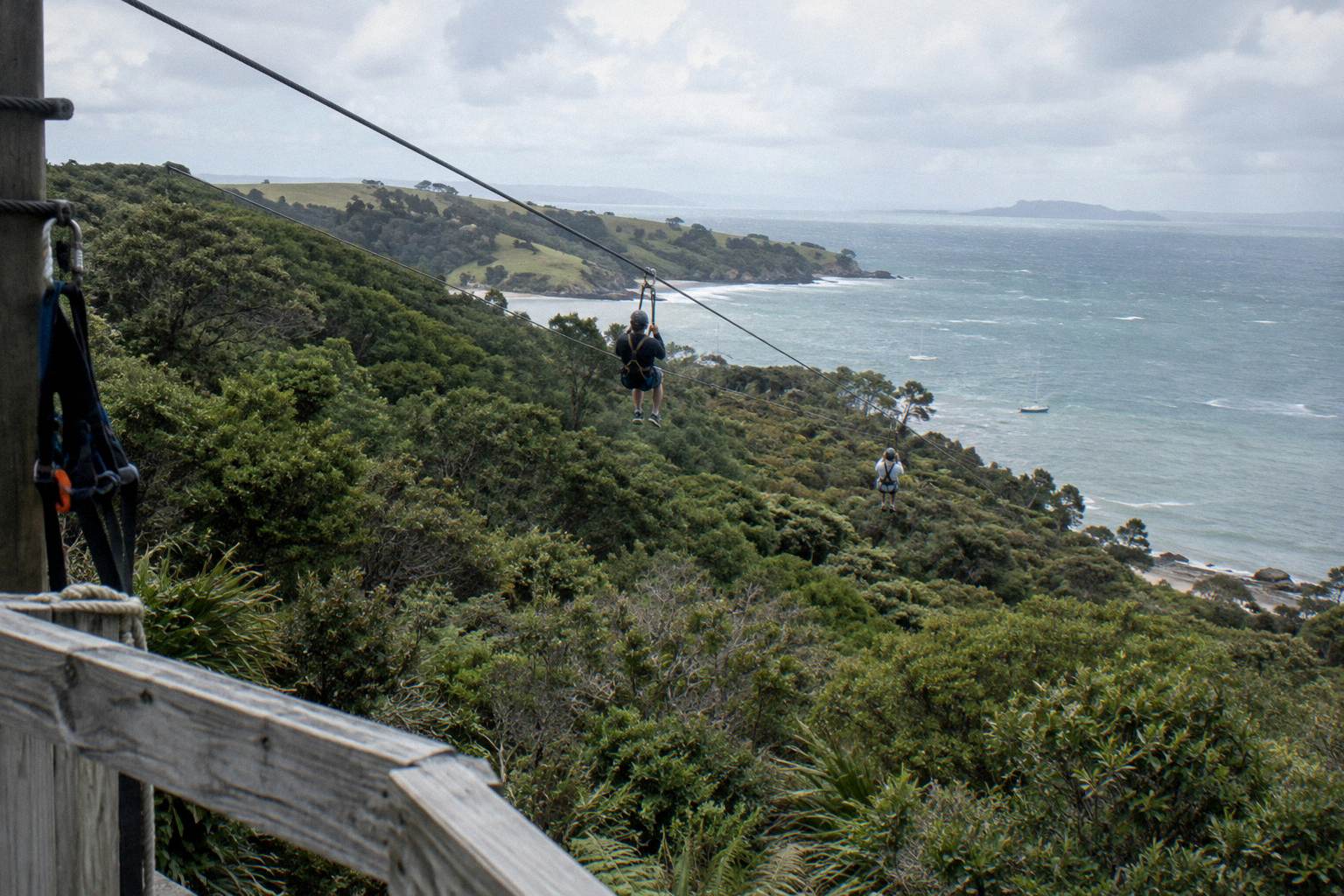
There is a second reason the rule is absolute. Modern commercial courses use engineered braking at the arrival end. EcoZip's safety page describes ZipStop braking with independent backup systems, with hardware inspected on daily, weekly and monthly cycles. A rider braking with their hands introduces a variable the system was never designed for, and can arrive at the platform out of position for the primary brake. The guide's instruction to keep hands on the designated holds keeps your body aligned so the equipment can do its job.
The mental trap is that reaching up feels like a safety behaviour. It feels like taking control. In practice it is the single fastest way to convert a routine flight into an injury, and every briefing on every commercial course bans it in the same words.
If reading this has you wondering whether the classic Waiheke zipline experience is worth booking despite all the rules, the answer is yes, and the barriers are low.
What Should You Not Wear Or Carry On A Zipline?
Do not wear jandals, loose shoes, skirts or loose jewellery, and do not carry unstrapped phones, cameras or hats. EcoZip requires closed, laced or buckled shoes, clothing that suits the weather, a hat that fits under a helmet, and any phone or camera strapped to you. The reason is simple: the harness, the helmet and the forest floor below you.
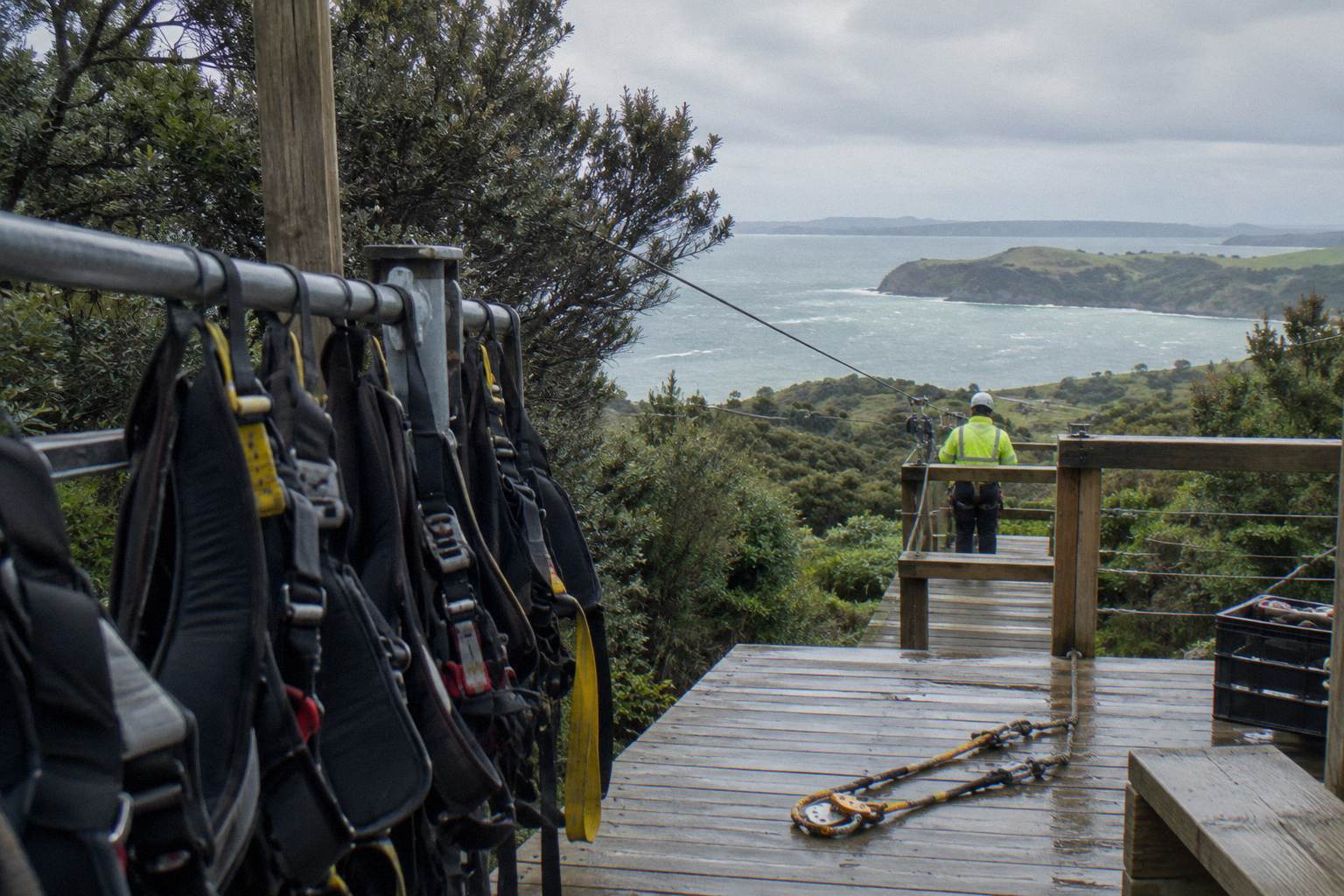
EcoZip's FAQ sets the Waiheke standard plainly: closed, laced or buckled shoes, no jandals. The footing on a launch platform is grated metal, the guided forest walk afterwards covers roughly 1.4 km of uneven, sometimes muddy track with switchbacks and steady uphill stretches, and a shoe that can slip off is a shoe that will. Clothing should match the day, with sunscreen and a warm layer in cold weather, and the operator asks you to bring your own rain jacket, since the course runs in rain and only a small stock of loan wet-weather gear is held on site. More detail on dressing for the day is in our guide to what to wear ziplining on Waiheke.
| Item | Briefing rule | Why it matters |
|---|---|---|
| Jandals or slip-ons | Not permitted | Grated platforms, uneven 1.4 km forest walk |
| Phone or camera | Must be strapped to clothing or harness | Falls from height endanger people below |
| Loose hat | Must fit under the helmet | Helmet fit is compromised otherwise |
| Loose jewellery, scarves | Remove or secure | Can catch on the trolley or cable |
| Skirts or loose trousers | Avoid | Harness fit and snag risk on the line |
The harness is the other half of the answer. A full-body harness only works when it sits against the body correctly, and bulky, loose or slippery layers change that geometry. It is also why the weight range is checked discreetly at EcoZip check-in: the harness, trolley and brake equipment are all rated for a range of rider weights, and the Waiheke range is 30 kg to 125 kg. Generic commercial courses elsewhere commonly run limits around 23 kg to 125 kg, so the island's range is on the stricter side at the minimum end. If weight is the question rather than clothing, our piece on the Waiheke zipline weight limit and harness sizes covers what happens at check-in.
One Waiheke-specific note: the EcoZip experience ends with that guided native forest walk, so your shoes matter for longer than the flights themselves. Riders who treat the footwear rule as a platform-only formality meet the mud about forty minutes later.
Can You Show Up Having Been Drinking?
No. EcoZip's terms allow the operator to refuse anyone affected by alcohol or drugs, with no refund implied, and this is standard across commercial adventure operators. Impairment slows exactly the reactions the briefing depends on: listening, body positioning and braking posture.
The clause sits in EcoZip's terms alongside its health conditions list, and it is not decorative. A zipline flight lasts under a minute, but the sequence of actions in that minute is precise: adopt the launch position, hold the designated hand position, adopt the landing position on call, and trust the brake. Alcohol dulls each step slightly, and the margin between a clean landing and a sprained wrist is smaller than a rider expects.
The pairing problem is real on Waiheke specifically. The island's identity is wine, and many visitors plan a tasting itinerary and a zipline on the same day. The workable order is zipline first, wine after. EcoZip even offers free drop-offs after the tour to a list of vineyards and restaurants including Stonyridge, Te Motu, Wild Estate and others, which is the operator effectively telling you the correct sequence for the day. Riders who reverse it, tasting in the morning and flying in the afternoon, risk being assessed as impaired at check-in and losing the flight.
This is also why guided combos work well for visitors who want both. A day structured around the Waiheke zipline and wine tasting day tour sequences the flights before the cellar doors, removing the temptation entirely. The full-day tour that includes the zipline, a two-course vineyard lunch and tastings at two vineyards is built on exactly that logic.
Who Should Not Go Ziplining?
EcoZip's terms list conditions that may impair safety, including high blood pressure, cardiac conditions, pregnancy, and back or neck injury, and the operator can refuse a participant on those grounds. More broadly, operator guidance treats severe fear of heights, recent surgery and epilepsy as contraindications. Declaring the condition at booking beats being turned away on the platform.
The New Zealand pattern is consistent. Zipline Christchurch prohibits participants with previous neck or back injuries; Rotorua Canopy Tours is not suitable beyond 15 weeks of pregnancy; Ziptrek Ecotours in Queenstown does not permit pregnant guests. Common contraindication lists across operators include heart conditions, epilepsy, recent surgery, neck, back and spinal injuries, high blood pressure and certain medications. None of this means most people with a old injury are excluded, it means a conversation with the operator or a doctor comes first. Medical guidance consistently says to consult a physician for back, neck or joint problems before riding.
Age is the frequent surprise in the other direction. EcoZip has no age limit at all: the requirement is that under-18s have a parent or guardian agree to the booking terms and sign the risk disclosure form. Elsewhere in New Zealand the precedent is similar, Rotorua Canopy Tours reports guests up to 93 years old and prioritises fitness and mobility over age, and Ziptrek has flown guests over 90. The honest read is that capability, not birth year, is the gate. Our article on whether a 70 year old can go ziplining on Waiheke works through that in detail.
| Condition or factor | Typical operator position | Reason given |
|---|---|---|
| Pregnancy | Not permitted, or limited by week | Harness pressure and sudden deceleration |
| Back or neck injury | Prohibited or doctor's clearance needed | Harness loads and landing impact |
| Cardiac or blood pressure conditions | Declare and assess | Exertion and adrenaline response |
| Alcohol or drugs | Refusal at check-in | Impaired response to instructions |
| Severe fear of heights | Advised to reconsider | Panic interferes with safe behaviour |
Fear of heights deserves its own honesty. Operator guidance for nervous riders advises reconsidering if acrophobia is severe, because comfort is itself a safety factor: a panicking rider cannot follow hand positions or landing calls. Mild nerves are normal and manageable, and Waiheke's dual-cable design, which lets two riders fly side by side, is one of the gentler introductions to the activity. For the full picture, our guide to the Waiheke zipline for nervous first-timers is written for exactly this reader.
What Happens If You Ignore The Guide's Instructions?
Guides can and do stop riders from flying. A participant who will not follow the briefing's hand positions, braking posture or platform rules can be removed from the tour without a refund, because the operator's duty is to the whole group and to its safety audit obligations. Arguing with the harness check or the weigh-in is the fastest route there.
Every commercial zipline in New Zealand operates under the Health and Safety at Work (Adventure Activities) Regulations 2016, which require adventure activity operators to pass a safety audit and register with WorkSafe NZ. EcoZip's own accreditation is through AdventureMark, an approved certification body, held since 2012. What that means on the ground is that the procedures in the briefing are audited requirements, not house style. A guide enforcing them is a guide keeping the operator compliant, and the operator's authority to refuse a non-compliant rider is part of the same framework.
The weigh-in is where this most often surfaces. EcoZip weighs every participant discreetly at check-in, and the 30 kg to 125 kg range is not negotiable, because the braking system and the harness are rated for that span. Being over or under the range does not automatically earn a refund, which is stated in the operator's terms, so discovering a problem at check-in is an expensive moment. Riders sometimes feel the check is intrusive, but it is the same engineering logic as a load rating on any piece of equipment, and knowing the number before you travel saves the scenario entirely. Our post on whether you get weighed before ziplining on Waiheke explains the process calmly.
Weather calls follow the same logic. EcoZip runs in rain and cancels only when wind is consistently above 35 knots, offering a date or time change or a full refund when it does. A rider arguing to fly in a wind hold is asking the operator to break its own audited limits. The practical advice is to check the forecast, dress for it, and let the operator make the call it is legally structured to make.
Which Mistakes Are Specific To The Waiheke Courses?
The Waiheke-specific don'ts are: do not book the ferry and the zipline without checking the transfer gap, do not expect the ferry fare inside the zipline price, do not skip the forest walk, and do not confuse the two courses' formats: EcoZip flies dual side-by-side cables with a return walk, while Man O' War's Forest Flight runs tandem lines over 900 m joined by a 660 m boardwalk.
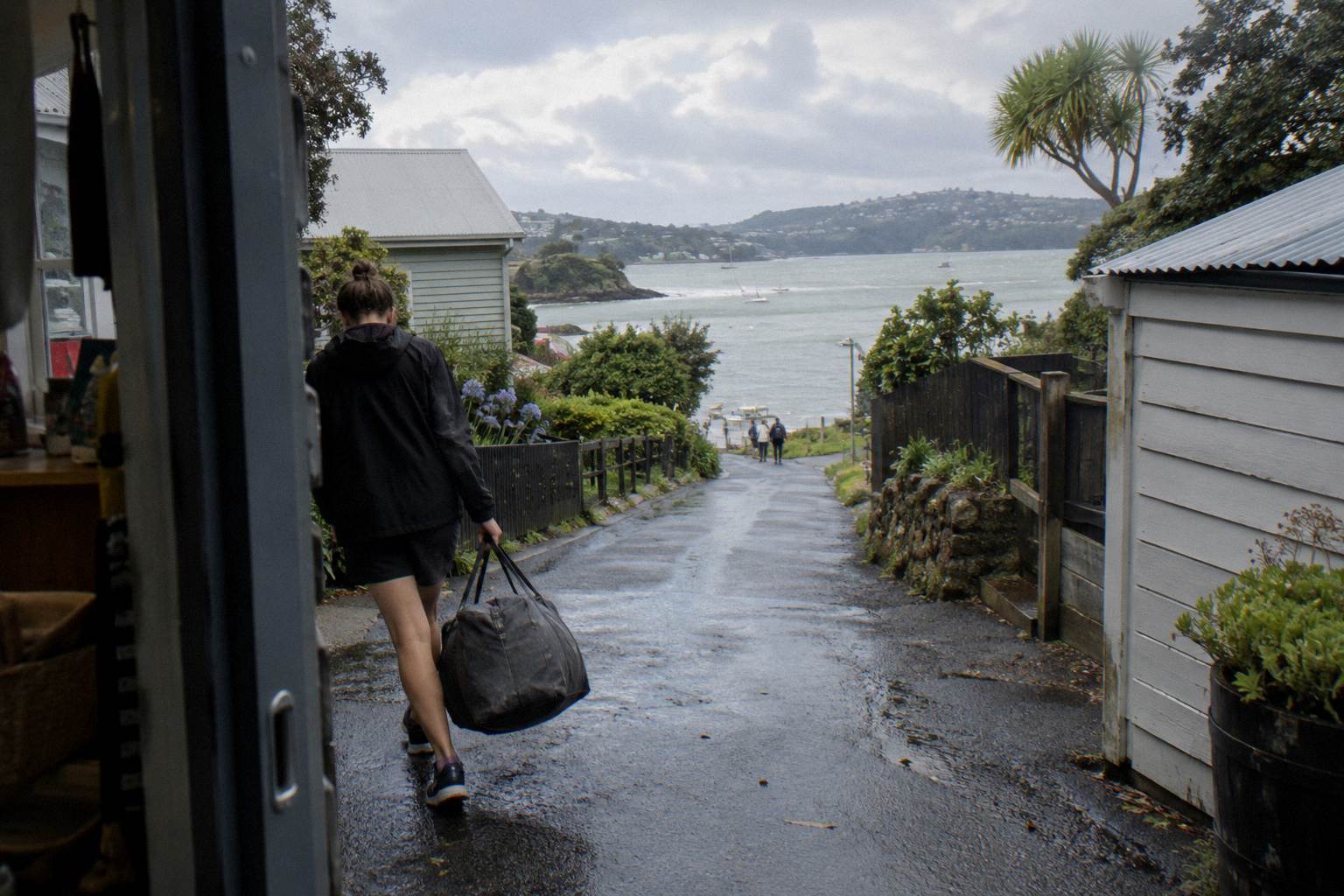
The ferry point catches day-trippers. The crossing from downtown Auckland to Matiatia takes roughly 40 minutes, and EcoZip's price does not include the ferry ticket, so a morning zipline slot needs a ferry sailed well before it. The operator's shuttle picks up at Matiatia, Oneroa village or Bus Stop 7, with a 20-minute commentated highlights ride to the Trig Hill site, which is about 15 minutes from the terminal. Riders who cut the transfer margin fine arrive flustered, and a flustered rider listens badly to a briefing. Our guide to the ferry and morning zipline timing maps the whole sequence.
Skipping the forest walk is the subtle one. Because the flights are the headline, some visitors assume the walk is filler and ask to wait in the van. It is not offered that way: the walk is part of the experience, and the terms treat it as such. It is also, honestly, a good walk, through regenerating native forest with a guide who knows it. Treat it as included rather than optional and the day lands better.
The two-course confusion is worth a paragraph of its own. EcoZip's design puts two riders on two parallel cables, side by side, over three lines of roughly 200 m each. Man O' War's Forest Flight, run from the vineyard's own experiences centre, uses tandem lines where pairs fly together, totalling over 900 m across three flights, connected by a 660 m elevated boardwalk through kauri forest, and it finishes steps from a beachfront tasting room. Neither format is better, but they are different enough that a "we already did a zipline" judgment between them sells the second one short. The comparison piece on Man O' War's Forest Flight versus EcoZip sets them side by side.
Man O' War's course is the one to pick if the vineyard integration is the point.
The wine-and-zipline full day is the pick for visitors making a single trip of it, since it sequences the flights, the lunch and the tastings, in one booking.
One last Waiheke-specific note on the classic experience itself: the Waiheke Island: Zipline And Forest Walk runs about three hours from Matiatia pickup to drop-off and follows every rule described above. Price and rating for the tour are on the operator's live listing.
How Do You Prepare So None Of This Happens?
Read the operator's FAQ the night before, wear closed laced shoes, strap your phone, check the weight range against the bathroom scale, declare any listed medical condition at booking, and plan the day so the zipline comes before the wine. Those six habits cover nearly every refusal and injury scenario a Waiheke briefing is designed to prevent.
Preparation is unglamorous and decisive. The riders who have smooth days are the ones who arrived already knowing the rules, which left the briefing free to teach the fun parts: the launch position, the views, the forest below. The riders who have bad days almost always skipped one of the six habits above, and the failure was visible at check-in: the wrong shoes, the undeclared condition, the third glass of lunch wine.
| Before you travel | The night before | At check-in |
|---|---|---|
| Check weight against the 30-125 kg range | Charge and strap the phone | Listen to the full briefing |
| Book a ferry that lands early enough | Set out closed laced shoes | Declare anything the terms list |
| Read the operator FAQ | Pack a hat that fits a helmet | Accept the discreet weigh-in |
| Book the zipline before any tastings | Check the wind forecast | Follow the guide's landing calls |
The injury data supports taking the routine seriously without taking it fearfully. Zipline injuries treated in US emergency departments over the 1997-2012 period totalled an estimated 16,850, and the dominant causes were falls and collisions with the arrival end of the course, both failure modes that the briefing's core rules, hands off the cable, body position on call, exist to prevent. New Zealand's audit regime, the operator's daily equipment inspections and the guide standing next to you are the other layers. The rider's layer is the simplest: show up sober, shod and strapped.
Common Questions About Zipline Mistakes
What Not To Do On A Zipline?
Do not grab the cable, carry unstrapped items, ignore the guide's braking and body-position calls, wear jandals or loose shoes, fly under the influence of alcohol or drugs, or book without checking the weight range and declaring a listed medical condition. On Waiheke specifically, do not book the ferry and zipline without a transfer gap, and do not plan tastings before your flight.
Why Do Zipline Operators Ban Jandals?
Launch platforms are grated metal, and the Waiheke EcoZip tour includes a roughly 1.4 km guided forest walk on uneven, sometimes muddy track. Closed, laced or buckled shoes are the operator's stated requirement because a shoe that slips off is a hazard on both.
What Happens If I Am Outside The Weight Range At Check-In?
EcoZip weighs every participant discreetly at check-in, and the accepted range is 30 kg to 125 kg. Being over or under the range is not automatically refunded, per the operator's terms, so check the number before you travel rather than at the platform.
Can I Bring My Phone On The Zipline?
Yes, but it must be strapped to your clothing or harness. EcoZip hands out free phone bungees at check-in for exactly this purpose, because a dropped phone from height is a hazard to people below and a loss for you.
Can I Go Ziplining After Wine Tasting?
You should not. EcoZip's terms allow the operator to refuse anyone affected by alcohol or drugs. Plan the zipline first and the cellar doors after; the operator's free post-tour drop-offs to a list of vineyards make that sequence easy.
Is There An Age Limit On The Waiheke Zipline?
EcoZip sets no age limit. Under-18s need a parent or guardian to agree to the booking terms and sign the risk disclosure form, and a child price applies at 15 and under. Fitness and mobility matter more than age.