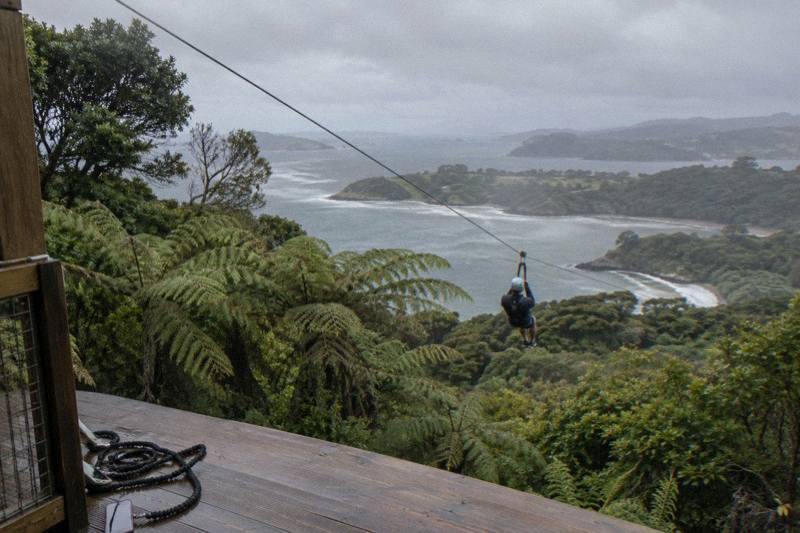
Can A 300lb Person Zipline? Weight Limits For A Waiheke Trip
A 300lb rider is over the EcoZip Waiheke weight limit of 125 kg (275 lb). Here is what the limit is, why it exists, and what heavier riders can do on the island instead.
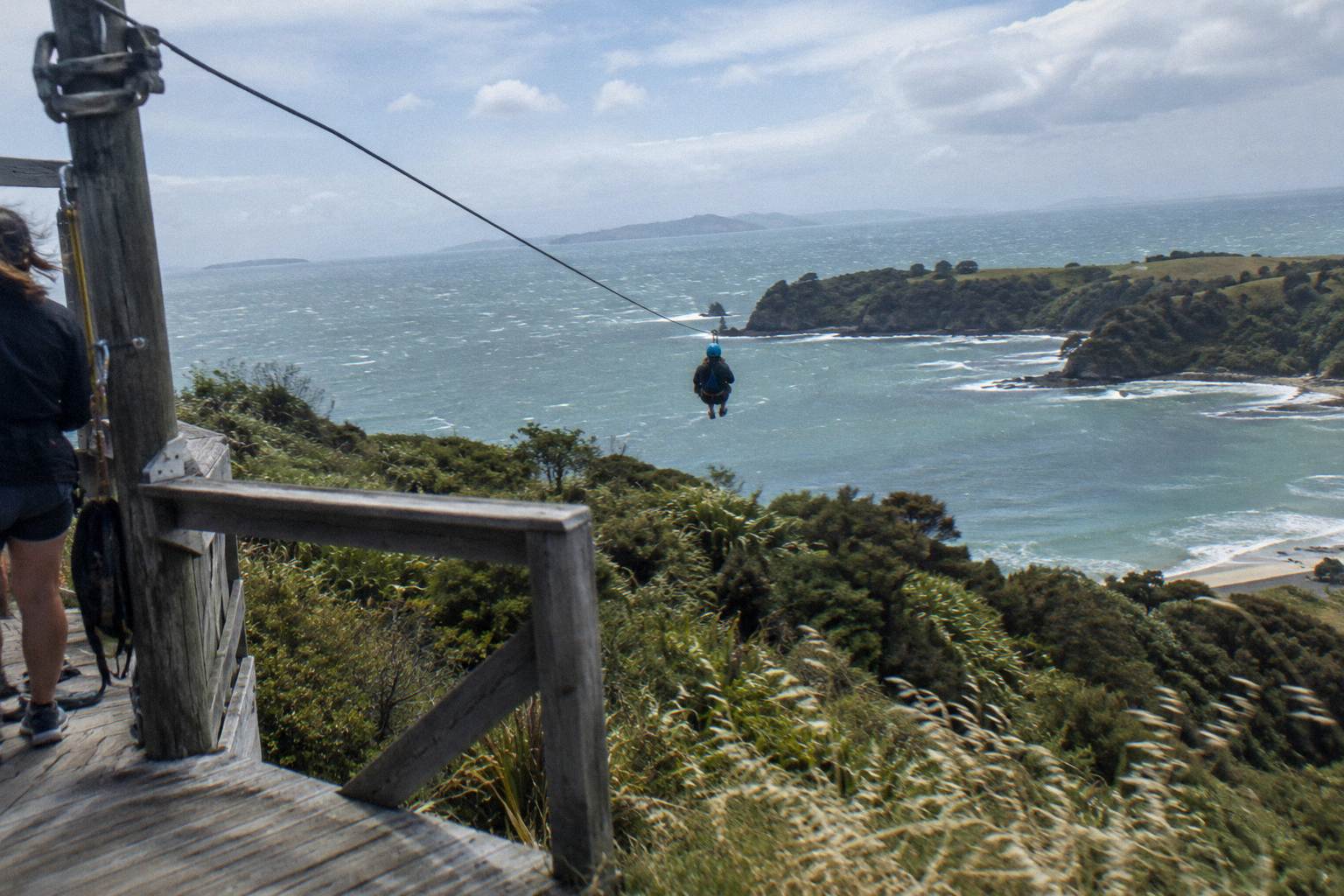
A number on a bathroom scale decides a surprising amount of travel planning, and 300 lb is one of those numbers that gets asked about often. Converted, 300 lb is about 136 kg. On Waiheke Island, the zipline most visitors mean when they say "the Waiheke zipline" is EcoZip Adventures, and its published maximum is 125 kg, or 275 lb. That puts a 300 lb rider about 11 kg over the line before anything else is discussed.
This page exists to answer that question honestly rather than vaguely. There is no polite fudging of the figure, because a rider who books a tour they cannot legally be harnessed onto loses the day, the fare, or both. Below you will find the exact limits, the weighing process, what happens if you turn up over the cap, and what a heavier visitor can still do on Waiheke, which is a great deal.
Can A 300lb Person Zipline?
No, not on Waiheke's main zipline. EcoZip Adventures sets a strict participant window of 30 kg to 125 kg, and 125 kg converts to 275 lb, so a 300 lb rider is roughly 25 lb above the maximum. The limit is a hard equipment and braking constraint, not a guideline, and staff weigh every guest at check-in, so it cannot be worked around on the day.
The arithmetic is unforgiving and worth spelling out. A pound is 0.4536 kg, so 300 lb is about 136 kg. The EcoZip ceiling of 125 kg sits about 11 kg below that. There is no "close enough" band, no discretionary override from a friendly guide, and no scale tolerance worth gambling a ferry fare on. The harnesses, trolleys, cables and braking system are engineered around a rated range, and the operator's terms make clear that arriving outside it does not automatically earn a refund.
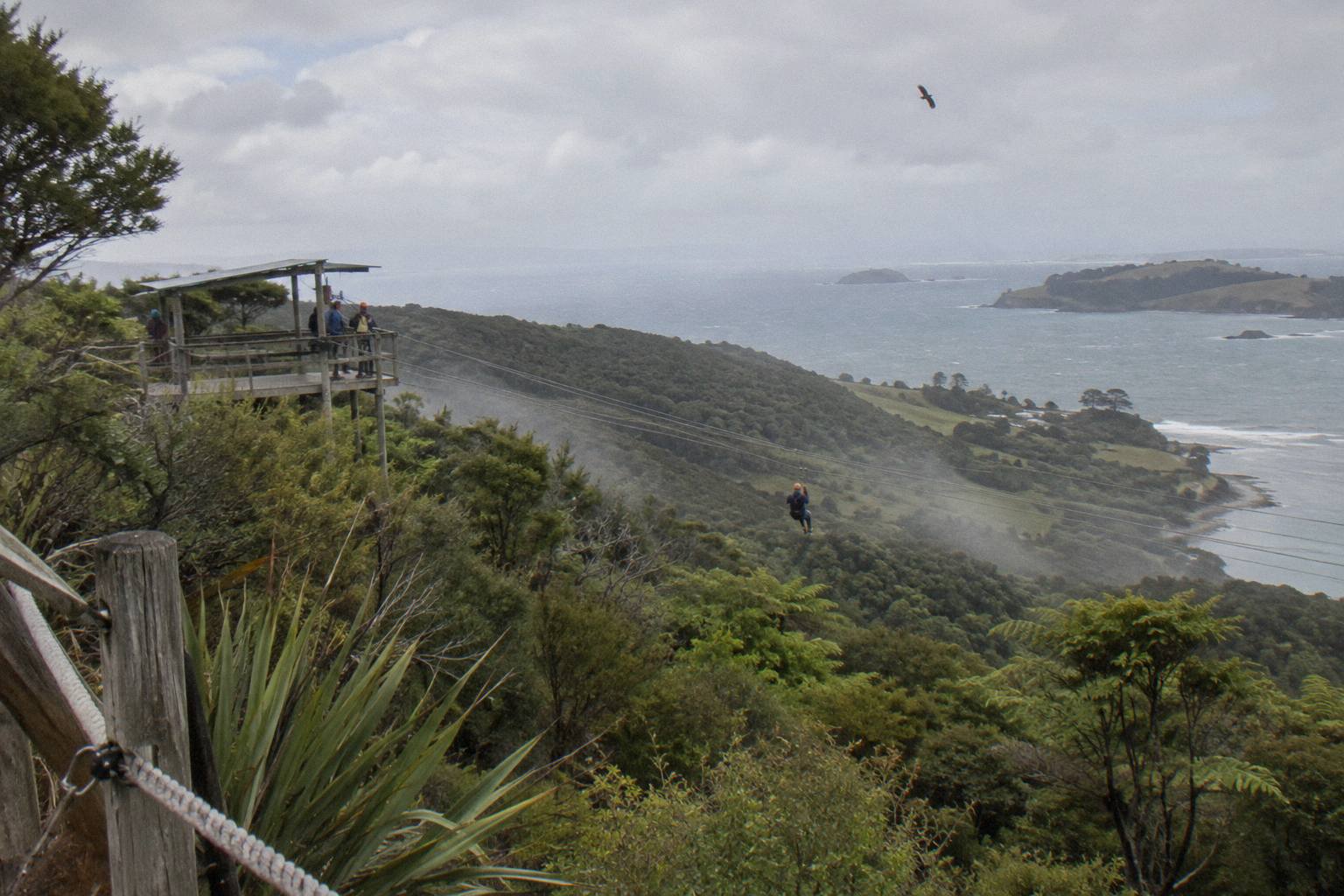
For context on the lower end, the 30 kg minimum equals about 66 lb, which is why small children are fine but toddlers are not. The window in between is generous and covers the large majority of adult visitors. But a 300 lb rider is outside it, and the honest answer to the verbatim question at the top of this section is simply no, not on this island's flagship course.
All three appear in the tour list, and pricing shows on each card rather than in this article.
The featured pick is the Waiheke zipline and forest walk experience, which packs three dual-cable flights of roughly 200 m each plus a guided native forest walk into about three hours from the Matiatia ferry terminal. If your weight is comfortably inside the window, it is the default choice, and our guide to what the EcoZip weight limit means for harness sizes covers the fit questions that follow.
What Is The EcoZip Weight Limit On Waiheke?
EcoZip Adventures requires every rider to weigh at least 30 kg (66 lb) and no more than 125 kg (275 lb), with everyone weighed discreetly at check-in before gearing up. There is no age limit, riders under 18 need a guardian's sign-off, and groups run up to 12 people with two guides. The ceiling converts to 275 lb, which is 25 lb short of 300.
Those figures come from the operator's own FAQ and terms pages, which also carry the detail many first-time visitors miss: being over or under the range is not automatically refunded. The policy is published plainly at the EcoZip FAQ page, and it is worth reading before booking rather than after, especially if your weight sits within a few kilos of either edge.
| Measurement | Low end | High end | In pounds | 300 lb rider |
|---|---|---|---|---|
| EcoZip minimum | 30 kg | 66 lb | Applies to all riders | Well above it |
| EcoZip maximum | 125 kg | 275 lb | Hard ceiling | About 25 lb over |
| Difference to 300 lb | About 11 kg | About 25 lb | The gap to close | Not waivable |
The second Waiheke zipline, the Man O' War Forest Flight at the eastern end of the island, lists the same 30 to 125 kg weight range, with age and cancellation terms on its live listing. Three tandem ziplines totalling more than 900 m, linked by 660 m of boardwalk through kauri forest, make it a genuinely different experience, and anyone whose weight is near a limit anywhere should ask the operator directly before booking. That question takes two minutes by email and saves a wasted trip.
The same caution applies to the combination and private tours that include a zipline segment, such as the full-day zipline and vineyard lunch option. The zipline component is still EcoZip, which means the same 125 kg ceiling still applies even though the tour is longer and the itinerary is mostly wine. A rider over the limit is over it for every product that uses those cables.
Why Ziplines Have Weight Limits At All?
Weight limits exist because braking, not the cable, is the binding constraint. A rider must be heavy enough to cross the line reliably without stalling, yet light enough that arrival speeds stay within what the primary brake and its backup emergency arrest device are rated to stop, while the harness and trolley stay within their own load ratings.
A zipline is a physics problem with a person attached. Too light, and friction plus wind resistance can leave a rider stranded short of the landing platform, which is why minimums exist and why they are not negotiable in the other direction either. Too heavy, and the arrival speed at the far end rises past the design envelope of the braking system. Industry practice, set out in standards like ASTM F2959 for aerial adventure courses, treats these numbers as engineering limits rather than customer-service suggestions.
| Factor | Too light (under ~30 kg) | In range | Too heavy (over 125 kg) |
|---|---|---|---|
| Line speed | May stall mid-cable | Predictable, brakeable | Excessive arrival speed |
| Braking | May not reach brake zone | Primary brake engages | Beyond brake rating |
| Harness fit | Cannot be secured correctly | Adjusts within ratings | Load rating exceeded |
| Recovery | Manual retrieval needed | None | Collision or overload risk |
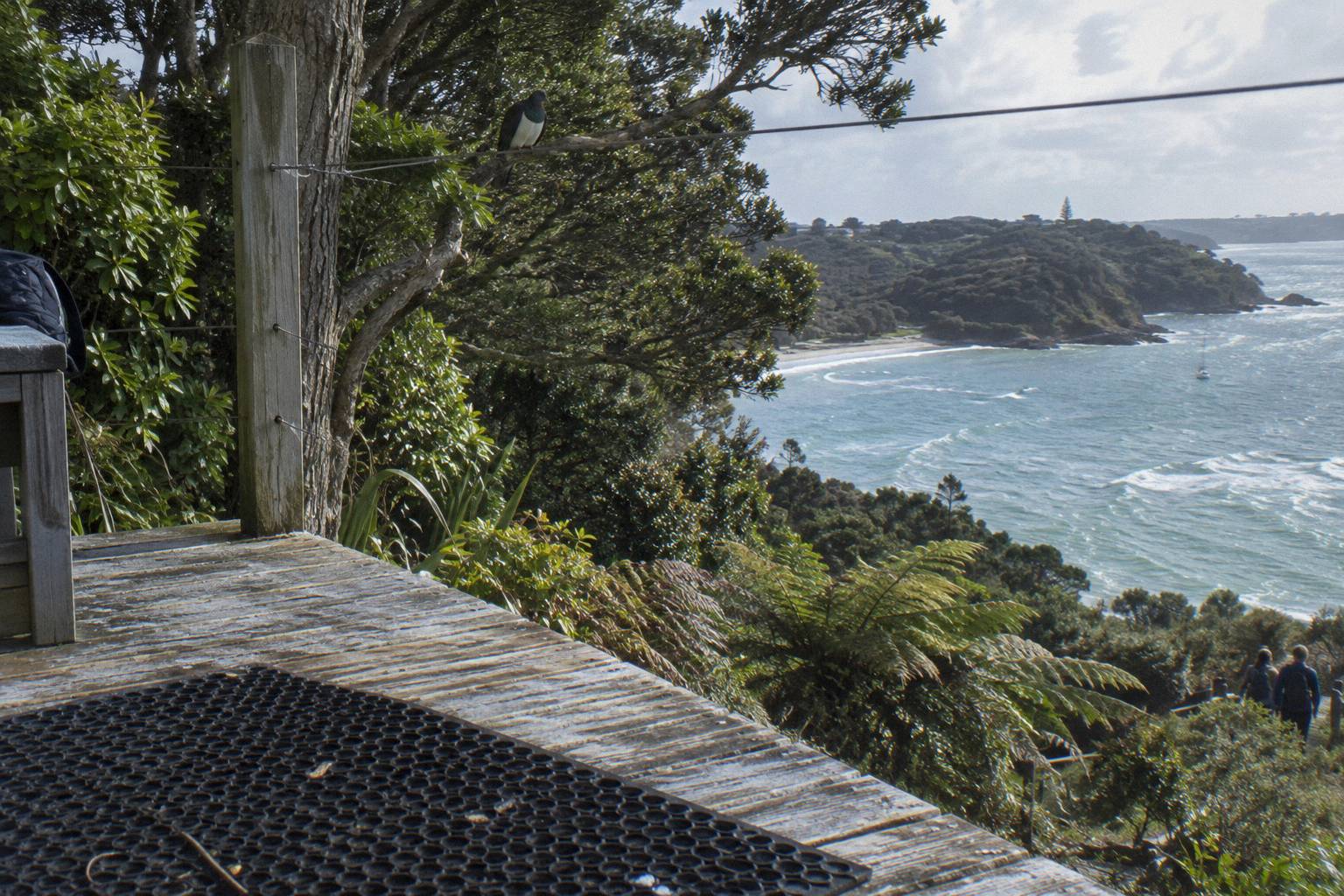
Redundancy is the other half of the story. A modern commercial setup like EcoZip's uses ZipStop braking with backup systems, on dual cables, with hardware inspected on daily, weekly and monthly cycles. The operator holds AdventureMark accreditation under New Zealand's adventure activities certification scheme, and commercial zipline operators in this country must pass a safety audit and register with WorkSafe NZ under the Health and Safety at Work (Adventure Activities) Regulations 2016. Weight limits are one visible piece of that machinery. When a guide declines to harness a rider, they are not making a judgement about the person; they are refusing to step outside numbers an auditor will hold them to.
That regulatory backdrop is also why no operator on the island can quietly stretch a limit for a persuasive guest. The number on the audit certificate is the number the harness scale enforces.
Do You Get Weighed Before Ziplining On Waiheke?
Yes. EcoZip weighs every participant discreetly at check-in, before gear is issued, as a standard step for all guests rather than a targeted check. The scale reading is compared against the 30 to 125 kg window, and riders outside the range are not harnessed. This is a routine part of the process for everyone, not an accusation.
The word "discreetly" is the operator's own, and it matters for how the moment feels. Nobody is weighed in front of a queue or announced to the group. It is a quiet step in the gear-up area, the same way helmet sizes are checked. There is a fuller walkthrough in whether you get weighed before ziplining on Waiheke, which also covers what the check-in sequence looks like from arrival at Matiatia onward.
For a rider whose weight is honestly uncertain, say fluctuating around the 125 kg ceiling, the practical advice is to weigh yourself on a hard floor in morning clothing, the same conditions a check-in scale approximates, and add a margin for a phone, keys and lunch in your pockets. A rider who scrapes under the limit on the bathroom scale can plausibly tip over it once dressed and carrying pocket contents. The stakes are a forfeited session, since the operator's terms do not automatically refund over-weight arrivals.
Booking platforms sometimes display a looser-sounding cancellation window than the operator's own direct terms, which can be stricter inside the final 48 hours. The cancellation text that governs your booking is the one on the listing you paid through, so read that page rather than assuming the operator's website policy applies.
What Happens If You Are Over The Limit On The Day?
An over-weight guest is not harnessed and does not fly, and the fare is not automatically refunded under EcoZip's terms, which treat arriving outside the weight window like a no-show. The realistic outcomes are a reschedule if weight changes, a partial outcome at the operator's discretion, or forfeiting the fare, which is why checking before booking matters.
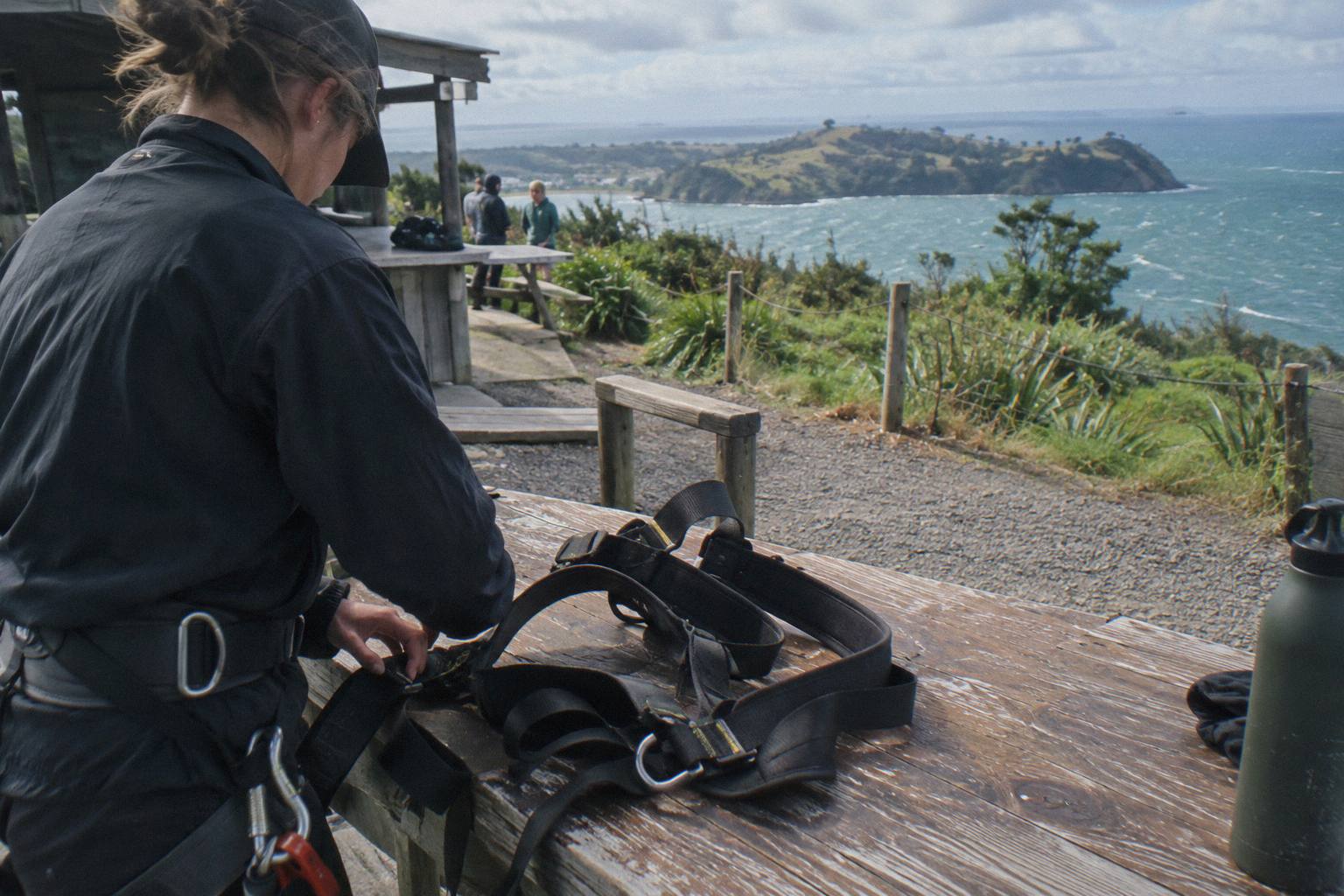
This is the outcome nobody wants to read, so it deserves plain language. The ferry has been paid, the day has been planned, and the zipline was the centrepiece. Turning up at Trig Hill over the 125 kg ceiling converts all of that into a spectator experience. The friendliest possible framing of the policy does not change it: the guide cannot fly you, and the booking terms say the fare is gone.
The prevention checklist is short and worth doing a week before travel rather than the night before.
| When | Action | Why it protects you |
|---|---|---|
| At booking | Check the limit on the live listing | Confirms the window before money moves |
| One week out | Weigh in the morning, hard floor | Catches drift toward the 125 kg ceiling |
| Two days out | Re-weigh, subtract pocket weight | A just-under reading can tip over dressed |
| On Waiheke | Eat light before the slot | Small margin, real comfort |
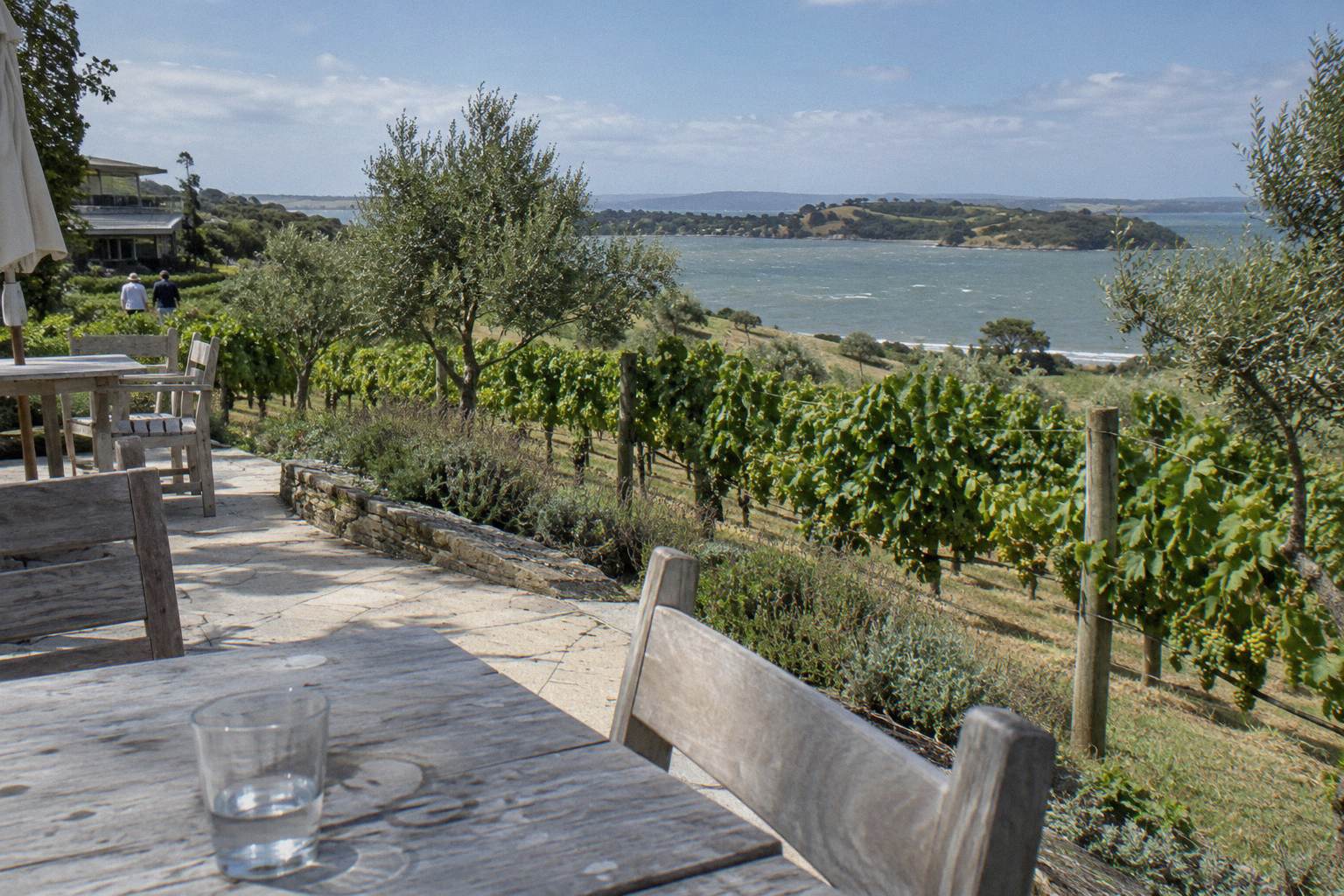
If the number simply will not come down in time, the day is far from lost. Waiheke runs on wine, beaches and viewpoints, all of which are weight-blind. The hop-on hop-off Explorer bus, rated 4.6 from 3,661 reviews, loops 17 stops from Matiatia across roughly 80 minutes, and pairs naturally with cellar door tastings where flights typically run NZ$20-55, though prices at the door govern. A rider over the zipline limit can still have one of the better days the island offers.
Which Other NZ Ziplines Take Heavier Riders?
No New Zealand operator we checked publishes a limit above 125 kg, so 300 lb exceeds every ceiling currently on record, including Ziptrek Queenstown at 125 kg, Rotorua and Coromandel at 120 kg, and Zipline Christchurch at 125 kg. Waiheke's own Man O' War course lists the same 30 to 125 kg range.
For visitors planning a wider New Zealand itinerary and hoping a heavier rider can zip somewhere, the honest summary is that the ceiling nationwide clusters at 120 to 125 kg. The comparison below draws on operators' own published pages.
| Operator | Location | Published max | 300 lb rider |
|---|---|---|---|
| EcoZip Adventures | Waiheke Island | 125 kg | Over by ~11 kg |
| Ziptrek Ecotours | Queenstown | 125 kg | Over |
| Rotorua Canopy Tours | Rotorua | 120 kg | Over by more |
| Coromandel Zipline Tours | Coromandel | 120 kg | Over by more |
| Zipline Christchurch | Christchurch | 125 kg | Over |
| Man O' War Forest Flight | Waiheke Island | Not published | Ask the operator |
The pattern has a physical reason. Generic commercial zipline limits commonly land in the 23 to 125 kg band internationally, because trolleys, brakes and harnesses across the industry are manufactured and certified around similar load envelopes, as surveys of operator policies note. New Zealand's audited operators sit inside that envelope; none has an incentive to stretch past it, since doing so would leave their brake testing outside the ranges their standards require.
Queenstown's Ziptrek does publish one detail worth knowing for families with mixed weights: it has flown guests over 90 years old, and Rotorua Canopy Tours reports guests up to 93, which underlines that the barrier is weight and fitness, never age. Those two operators are compared against Waiheke in more depth in the guide to Waiheke ziplining versus Rotorua Canopy Tours.
Should A Heavier Rider Still Visit Waiheke?
Yes, without hesitation. A 300 lb rider cannot zip on Waiheke, but the island's core attractions, vineyards, beaches, the Explorer bus, e-bike hire with motor assist, and coastal walks, have no weight gates at all. Treating the zipline as the only reason to cross the Hauraki Gulf would mean missing most of what the island actually is.
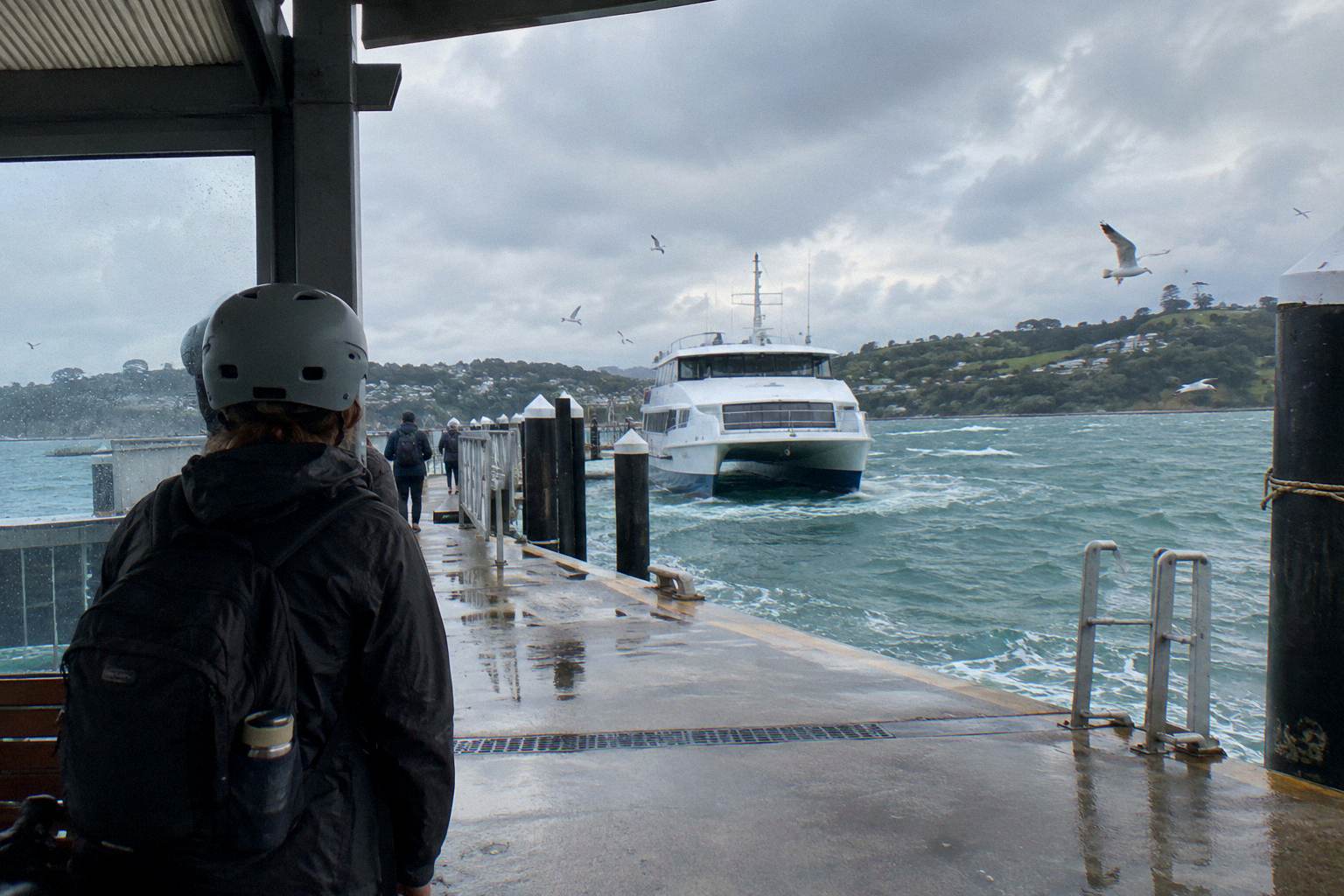
The ferry from downtown Auckland takes about 40 minutes to Matiatia. From there the day bends toward whatever suits the group: Onetangi's roughly 2 km beach, the cellar doors of the island's 30-odd wineries, or a long lunch at a vineyard. A mixed group can even split for the zipline window, with one part flying while the other holds a table, then rejoin over lunch, an arrangement Waiheke handles easily at its scale.
One caveat belongs here rather than buried elsewhere: e-bikes still require pedalling, and the island is hilly, so "electric assist" is not the same as weight-free transport. The comparison of an e-bike day versus a zipline day on Waiheke works through the trade-offs honestly, including where a heavier rider should and should not attempt the island's steeper roads.
There is also the future to plan for. A rider 11 kg over the EcoZip ceiling is not a lifetime away from it, and Waiheke rewards a return trip. Some visitors treat the zipline as a stated goal for a later season, which is a better framing than arriving unprepared and being turned away at the gear bench.
For riders inside the window, or planning the return trip that gets them there, the zipline options below are the three worth comparing, and Waiheke Zipline Tours keeps each listing current so the card is the place to check price and availability.
The Man O' War course earns its place on any shortlist because it is structurally different: tandem lines, a 660 m boardwalk, and a finish steps from a beachfront tasting room. Its listing gives the same 30 to 125 kg range, and the operator's live listing or a direct email is the authority for age and cancellation terms.
The Native Forest Adventure variant from EcoZip keeps the same three 200 m dual flights and guided forest walk, with an optional Matiatia pickup and a phone bungee included. The same 30 to 125 kg rules apply, since it runs the same cables at Trig Hill. Whichever direction the decision points, the trio below collects the island's ziplines in one place for a final comparison.
Common Questions About Ziplining At 300Lb
Can A 300lb Person Zipline?
No, not on Waiheke. The EcoZip maximum is 125 kg, which is 275 lb, and 300 lb converts to about 136 kg, roughly 11 kg over the ceiling. No verified New Zealand operator publishes a higher limit, so the answer currently stands nationwide.
Do You Get Weighed At Check-In, Or Can You Skip It?
Everyone is weighed, discreetly, at check-in before gear is issued. It is a standard step for all guests, not a targeted check, and riders outside the 30 to 125 kg window are not harnessed.
Is There Any Zipline In New Zealand With A Higher Weight Limit?
Not among verified operators. Ziptrek Queenstown and Zipline Christchurch both cap at 125 kg, while Rotorua Canopy Tours and Coromandel cap at 120 kg. Courses that publish no limit, like Man O' War on Waiheke, must be asked directly, and the answer should come from the operator before booking.
What Happens To My Booking If I Arrive Over The Limit?
Under EcoZip's terms an over-weight arrival is not automatically refunded, so the realistic options are a reschedule or losing the fare. Weigh yourself the week before, in the morning on a hard floor, and add a margin for clothing and pocket contents.
Why Is The Minimum 30 Kg Rather Than An Age?
Physics decides both ends. A rider under about 30 kg can stall mid-cable and miss the braking zone, needing manual retrieval. That is why EcoZip has no age limit at all but a firm weight floor, with under-18s needing a guardian's sign-off.
What Can A Heavier Visitor Do On Waiheke Instead?
Nearly everything else. Vineyard lunches, cellar door tastings, Onetangi's roughly 2 km beach, the Explorer hop-on hop-off bus and coastal walks carry no weight gates. The zipline is one experience on an island built around wine and coastline.