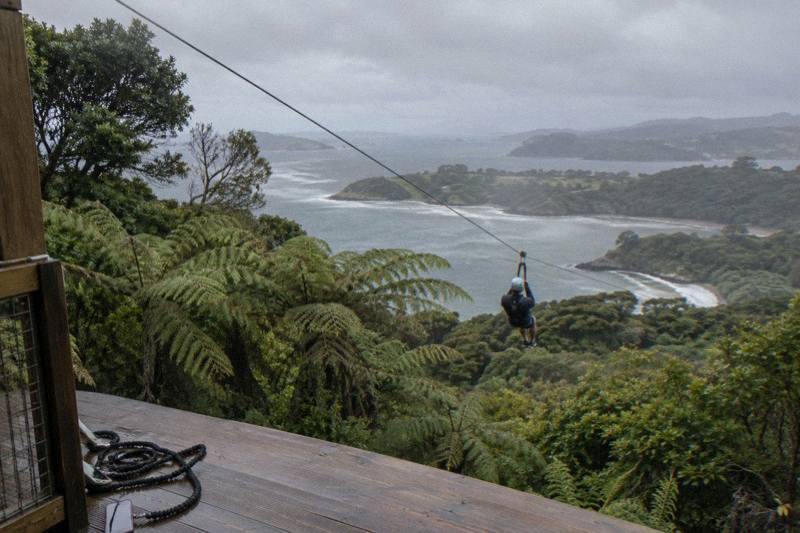
What Is The Weight Limit For Ziplining? Limits From Waiheke To The Rest Of NZ
The zipline weight limits that apply on Waiheke Island and across New Zealand, why they exist, and what happens if you fall outside the range.
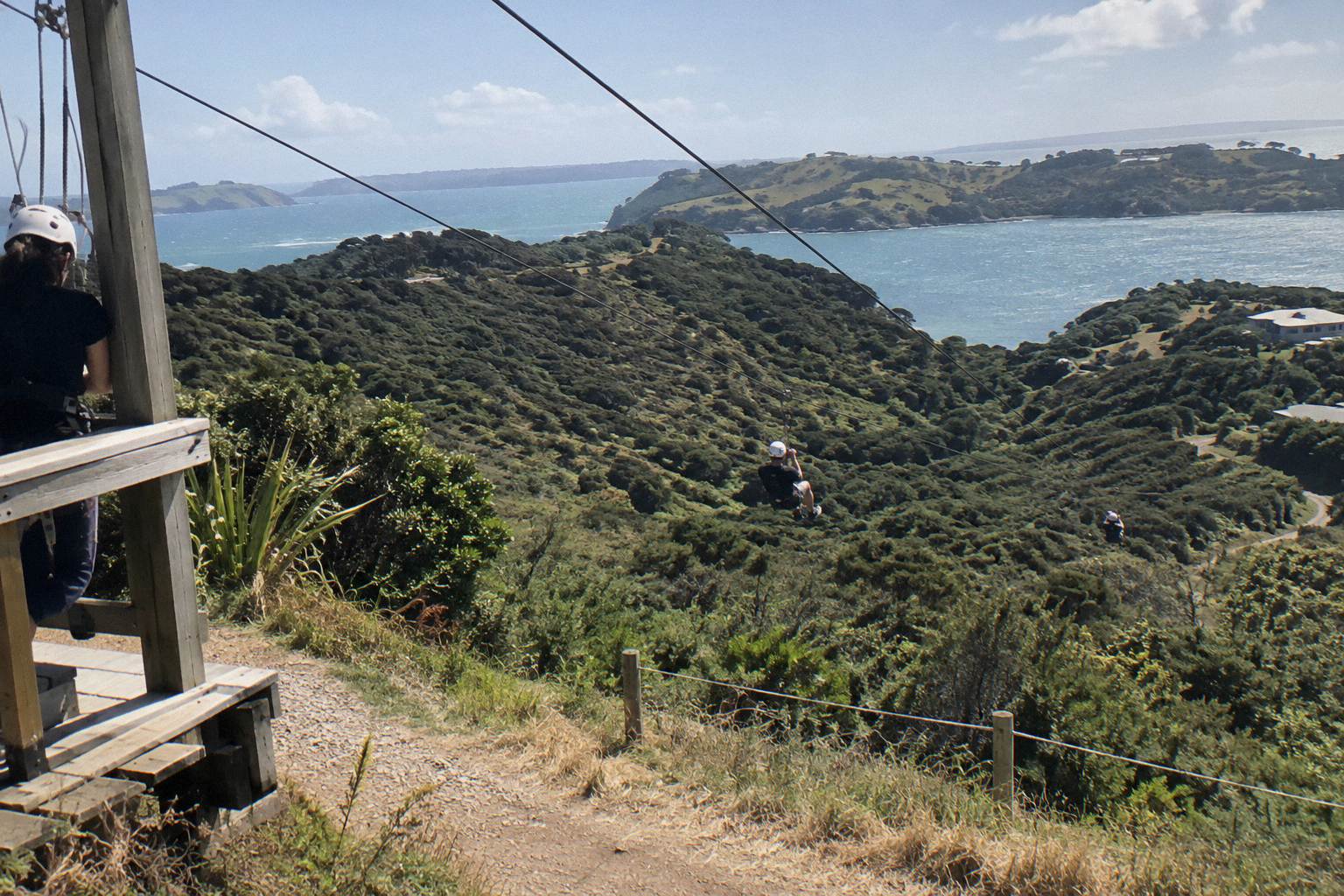
Every commercial zipline enforces both a minimum and a maximum rider weight, and on Waiheke Island the range that matters is 30 to 125 kg at EcoZip Adventures. The floor exists because a rider who is too light can stall mid-cable; the ceiling exists because a rider who is too heavy arrives at the landing platform with more energy than the brake was engineered to absorb. Elsewhere in New Zealand the numbers shift a little, with 120 kg ceilings at Rotorua Canopy Tours and Coromandel Zipline Tours, but the logic behind them is identical everywhere.
What Is The Weight Limit For Ziplining?
The honest short answer is that it depends on the operator and the course, but the typical commercial range runs from roughly 20 to 30 kg at the minimum up to 120 or 125 kg at the maximum. On Waiheke, EcoZip Adventures requires riders to weigh at least 30 kg and no more than 125 kg. Across the country, Rotorua Canopy Tours and Coromandel Zipline Tours both cap riders at 120 kg, while Ziptrek Ecotours in Queenstown sets 125 kg. If a listing you are reading does not state a range, treat that as a gap to ask about before you book, not as a sign there is no limit.
The reason the numbers differ site to site is that a weight limit is not a judgement about body size. It is a number derived from the engineering of one specific course: the cable sag, the gradient of each line, the braking system at the end, and the load ratings of the harness, trolley and lanyards. A course with long, steep lines and a magnetic brake will have a different safe envelope than a short, gentle line with a spring catch, even if both look identical from the ground.
Generic industry guidance puts common commercial limits at roughly 23 to 125 kg, expressed in imperial terms as about 50 to 275 lbs, though the exact window varies with each course design. The two New Zealand operators most relevant to a Waiheke visitor sit comfortably inside that band. The main Waiheke experience is the Waiheke Zipline Tours featured trip, the EcoZip zipline and forest walk, which enforces the 30 to 125 kg range with a discreet weigh-in at check-in.
If you are planning around the numbers, the key point is that the range is wide enough for the large majority of adult and teenage riders, and the most common people caught out are children under about 30 kg rather than adults over the ceiling. A seven-year-old who weighs 24 kg cannot ride at EcoZip, while many adults weighing above 125 kg already know from clothing sizes and airline belt extenders that fitted equipment can be an issue on adventure activities generally. Neither situation is unusual, and both have workarounds covered further down this page.
For readers sizing up a Waiheke trip specifically, the guide to the EcoZip weight and age rules is the primary source for the 30 to 125 kg policy, and the detail on what the operator actually publishes is collected in the guide to the Waiheke zipline weight limit and harness sizes.
Why Do Ziplines Have Weight Limits At All?
Weight limits exist because rider mass directly controls arrival speed and braking load: a heavy rider builds more momentum on the same gradient, while a light rider may not generate enough momentum to reach the platform. Brakes are engineered for a specific envelope of participant weight and arrival speed, with a primary brake plus an independent emergency device that engages if the primary fails. Riding outside that envelope means the brake works beyond what it was tested for.
The physics is not exotic. Gravity accelerates every rider at the same rate, but kinetic energy scales with mass, so a 125 kg rider arrives at the landing zone carrying roughly four times the energy of a 30 kg child on the same line. The brake has to dissipate that energy smoothly, and the trolley, cable anchor points and lanyards all carry load ratings that assume riders stay inside the published range. Exceeding the maximum risks excessive arrival speed, collisions at the platform or equipment overload; falling under the minimum risks the opposite failure, a rider who stalls on the cable partway across and has to be retrieved.
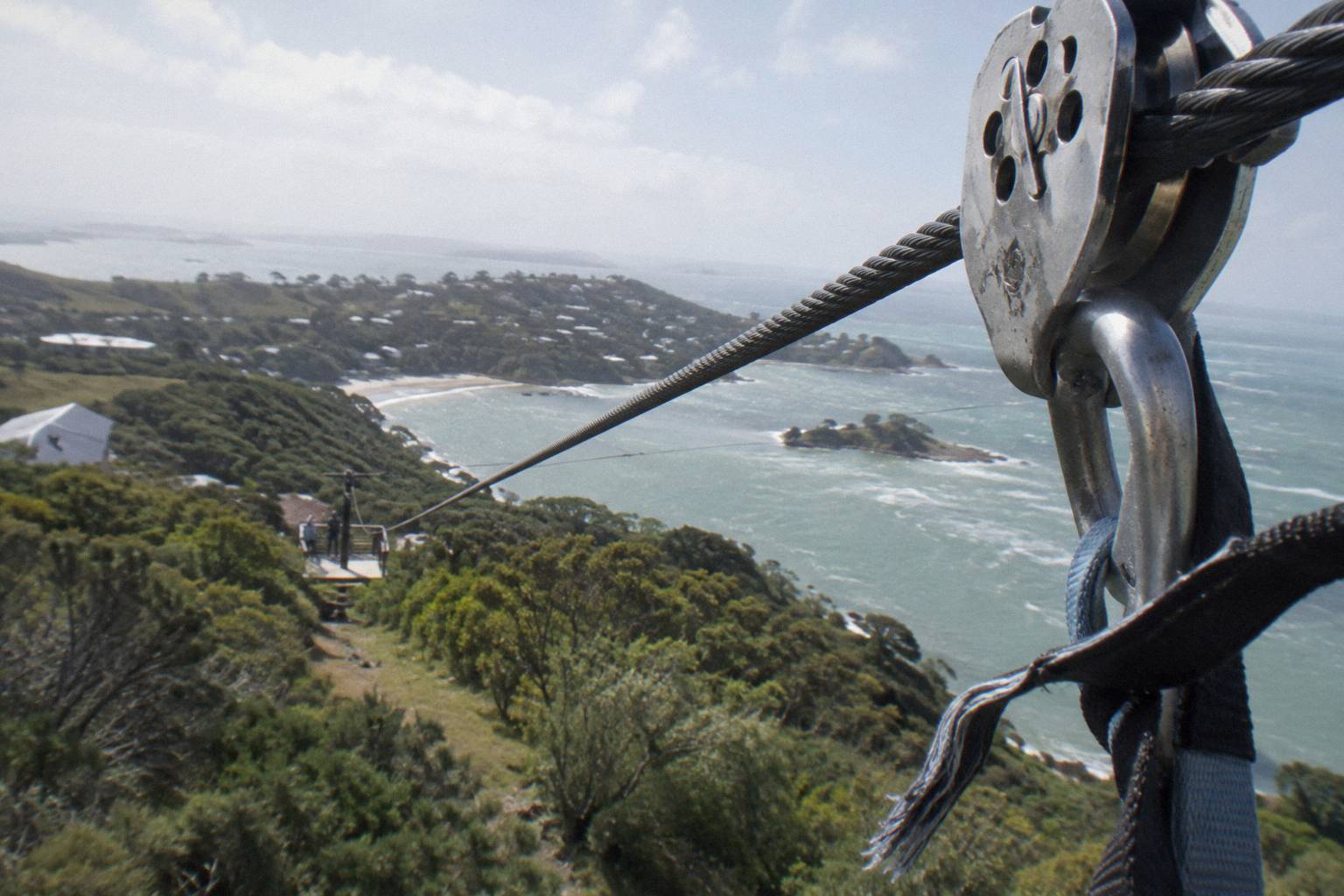
The injury record backs up how seriously operators take this. A study of United States emergency department data covering 1997 to 2012 estimated 16,850 zipline-related injuries in that window, with falls accounting for 77.3 percent of them and fractures making up 46.7 percent, most often to the upper extremities. The findings, published in the American Journal of Emergency Medicine, are the kind of numbers that shape conservative operator rules. A follow-up analysis of lower extremity injuries treated through 2024 appears at Lower Extremity Review Magazine.
None of this means ziplining is a high-risk activity when the rules are followed. It means the rules, including the weigh-in, are the mechanism that keeps it inside the envelope the engineers designed for. New Zealand reinforces that with regulation: commercial zipline operators must pass a safety audit and register with WorkSafe NZ under the Adventure Activities Regulations, and accreditation bodies such as AdventureMark audit operators against those safety management standards.
The Waiheke Limits: EcoZip And Man O' War
On Waiheke Island the headline limit is EcoZip Adventures' 30 to 125 kg range, applied to every rider on its three dual-cable ziplines. The island's second zipline, the Man O' War Forest Flight at the eastern end, lists a 30 to 125 kg weight range, and anyone outside the typical 20 to 30 kg minimum and 120 to 125 kg maximum bands should ask the operator directly before booking. Treating EcoZip's numbers as the island default is reasonable for planning, but not a substitute for confirming on the listing.
EcoZip runs three side-by-side dual ziplines of roughly 200 m each, the longest being the Kurinui at 220 m, followed by a guided 1.4 km native forest walk. Every participant is weighed discreetly at check-in, and the operator's terms are clear that being outside the range does not automatically trigger a refund, which is exactly why the weigh-in happens before you gear up rather than after. There is no age limit at all: under-18s need a parent or guardian to sign the risk disclosure form, but the gate is weight and fitness, not birthdays.
The table below sets the two island operators side by side.
| Operator | Course | Weight range | Age rule | Duration |
|---|---|---|---|---|
| EcoZip Adventures | 3 dual ziplines, ~200 m each, plus forest walk | 30 to 125 kg, weighed at check-in | No age limit; guardian signs for under-18s | About 3 hours door to door |
| Man O' War Forest Flight | 3 tandem ziplines over 900 m total, 660 m boardwalk | Not published in available material | Not published in available material | 2 hours |
The distinction between dual cables and tandem lines matters more than it sounds. EcoZip's dual setup means two riders fly on two parallel cables, side by side, each on their own line. Man O' War's tandem format means two riders share the experience on lines designed for pairs, which changes the load maths on the cable and is one reason you cannot simply assume one island-wide limit applies to both courses.
For a full comparison of the two, see the breakdown of Man O' War Forest Flight versus EcoZip, and for the practical side of getting to either, the guide to the Matiatia wharf meeting point.
Weight Limits At New Zealand's Other Major Ziplines
Rotorua Canopy Tours and Coromandel Zipline Tours both set a 120 kg maximum, Ziptrek Ecotours in Queenstown allows up to 125 kg, and Christchurch Adventure Park operates its own published range. The pattern across the country is a cluster of 120 to 125 kg ceilings with minimums set by course length rather than age, so a rider who fits one New Zealand zipline will almost always fit the others. The differences that do exist are small but real, and worth knowing if you are building a multi-stop trip.
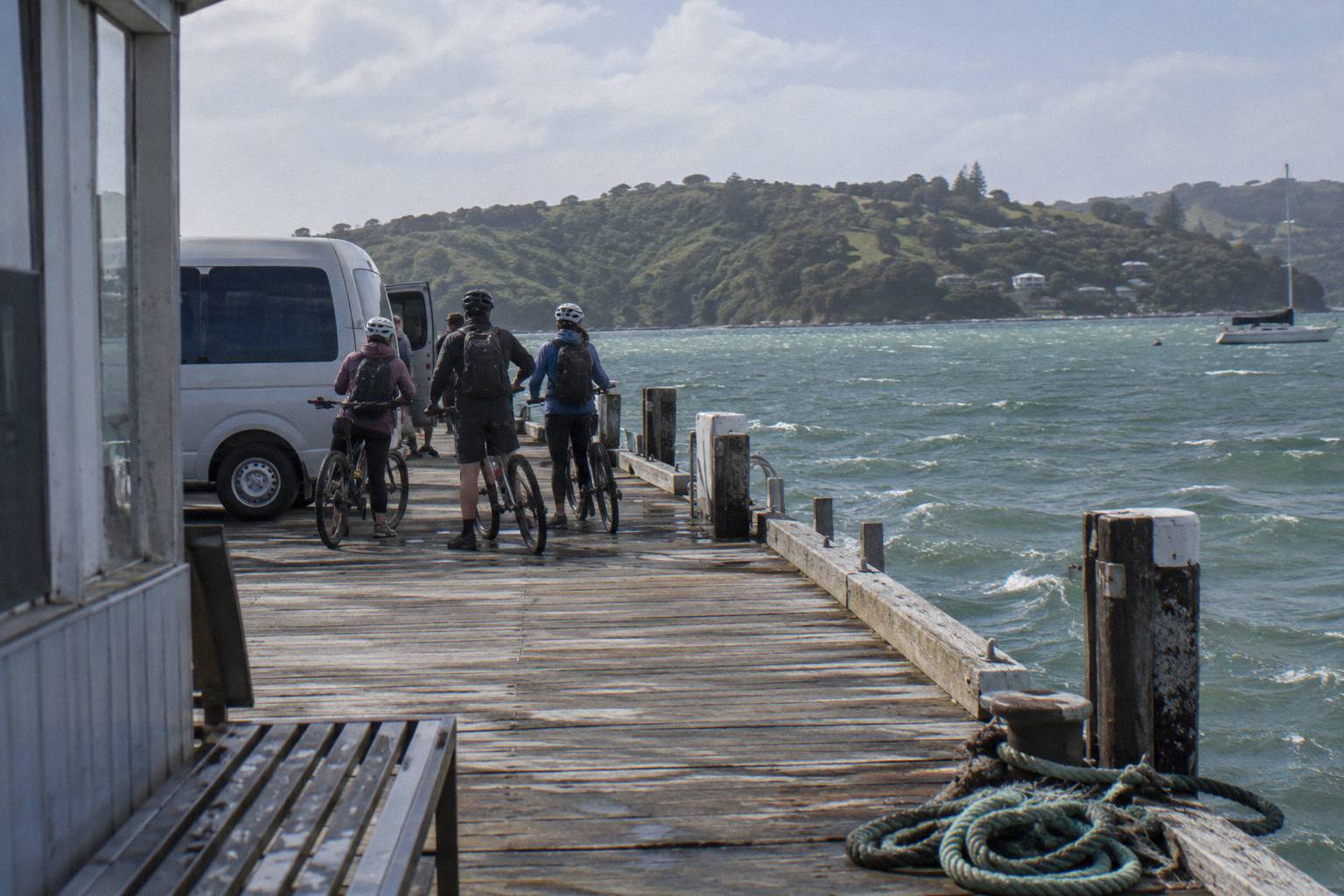
Rotorua's Original Canopy Tour runs six ziplines totalling 600 m through predator-free native forest with a 120 kg cap and a minimum age of 6. Its Ultimate tour stretches to 1.2 km of lines, ages 10 and up, same 120 kg ceiling. Coromandel's course at Driving Creek has eight lines with the longest at 200 m, the same 120 kg maximum and a minimum age of 6. Ziptrek in Queenstown, reached via the Skyline gondola, allows up to 125 kg across all its tour options. Christchurch's ZIPCHCH runs New Zealand's longest zipline, the 1.1 km Long Ride in the Port Hills, as part of its Signature Tour totalling 2.87 km.
| Operator | Location | Max rider weight | Minimum age | Longest line |
|---|---|---|---|---|
| EcoZip Adventures | Waiheke Island | 125 kg | None (guardian rule) | 220 m |
| Rotorua Canopy Tours (Original) | Rotorua | 120 kg | 6 years | 220 m |
| Rotorua Canopy Tours (Ultimate) | Rotorua | 120 kg | 10 years | 400 m |
| Coromandel Zipline Tours | Driving Creek | 120 kg | 6 years | 200 m |
| Ziptrek Ecotours | Queenstown | 125 kg | 6 to 10 by tour | Part of Kea's 6-line circuit |
| Man O' War Forest Flight | Waiheke Island | Not published | Not published | Part of 900 m total |
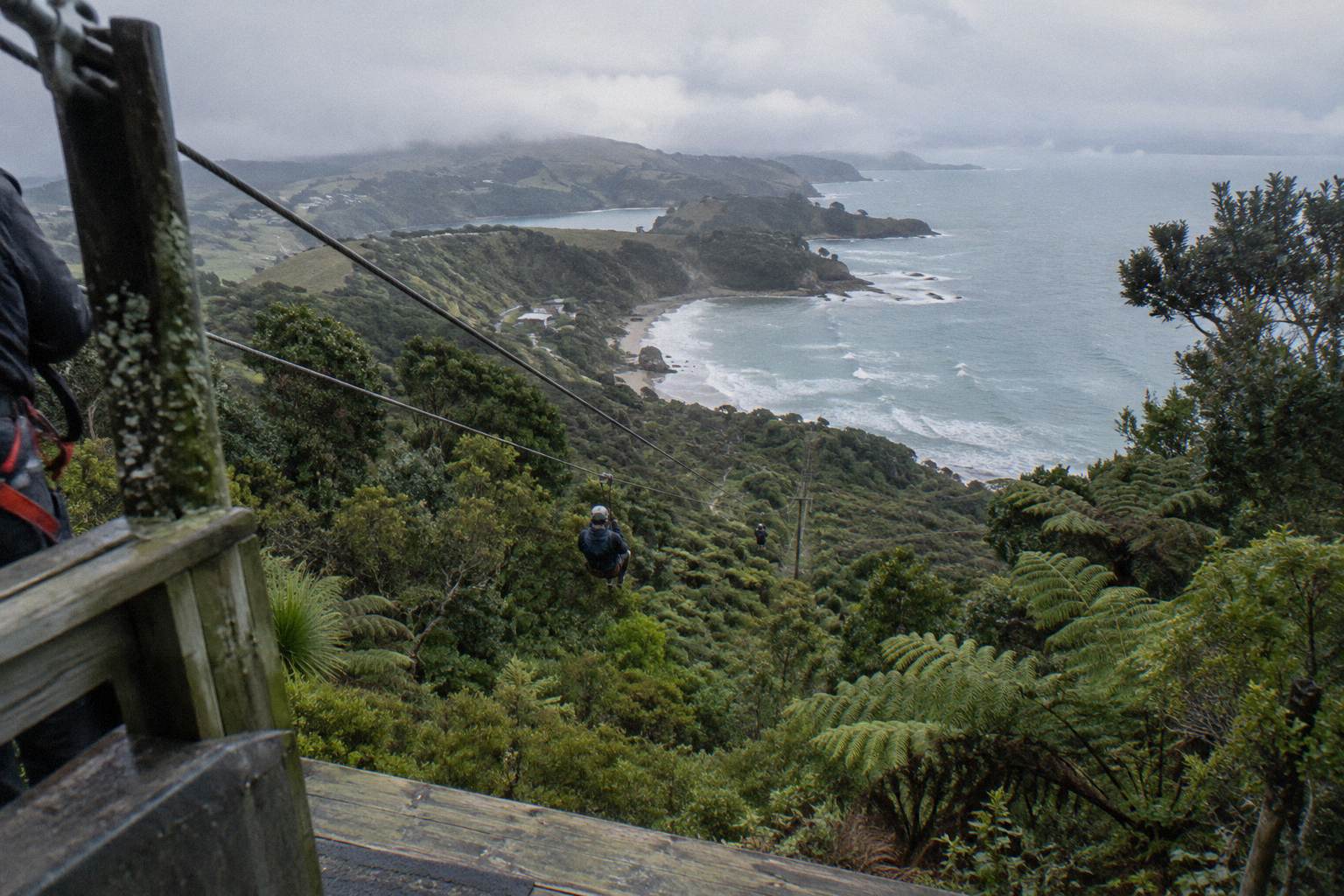
The spread is narrow enough that the practical advice is simple: if you weigh under 120 kg, every major New Zealand zipline is open to you, and if you sit between 120 and 125 kg, Waiheke's EcoZip and Queenstown's Ziptrek remain options while Rotorua and Coromandel do not. Ziptrek states its 125 kg maximum on its own safety page, which is also where the operator notes it has zipped guests over 90 years old, a reminder that the weight range, not age, is the real gate.
A wider comparison exists for anyone choosing between regions, including the piece on zipline Waiheke versus Auckland and Coromandel and the one on Waiheke versus Rotorua Canopy Tours.
What Happens If You Fall Outside The Range?
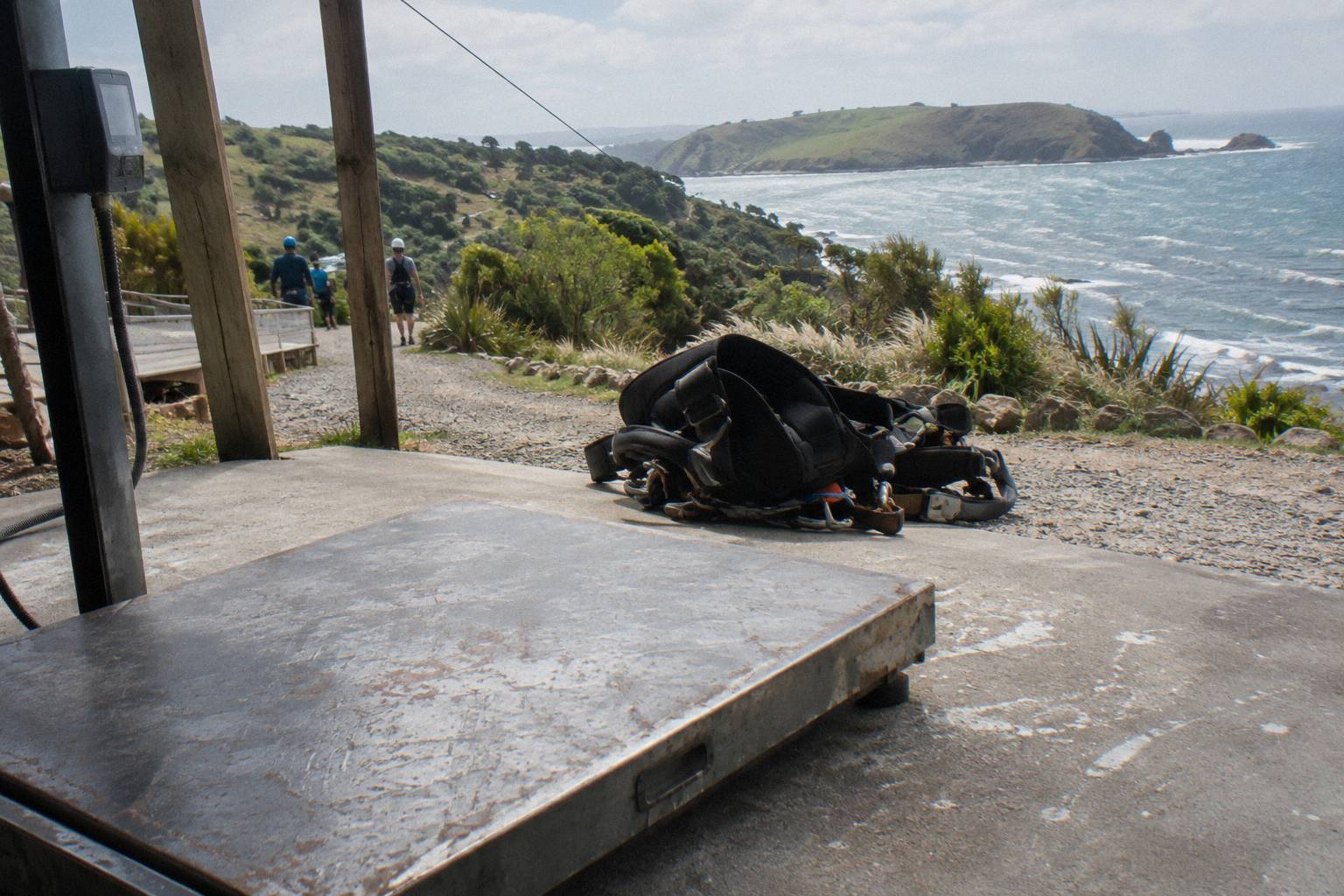
At EcoZip, everyone is weighed discreetly at check-in, and the operator's terms state that arriving over or under the limit is not automatically refunded. The consistent advice is to check your own numbers honestly before booking rather than gambling at the gate. Generic industry guidance puts common commercial limits at roughly 23 to 125 kg, and operators enforce them because equipment ratings and braking performance depend on them. There is no negotiation at the platform, and there is not meant to be.
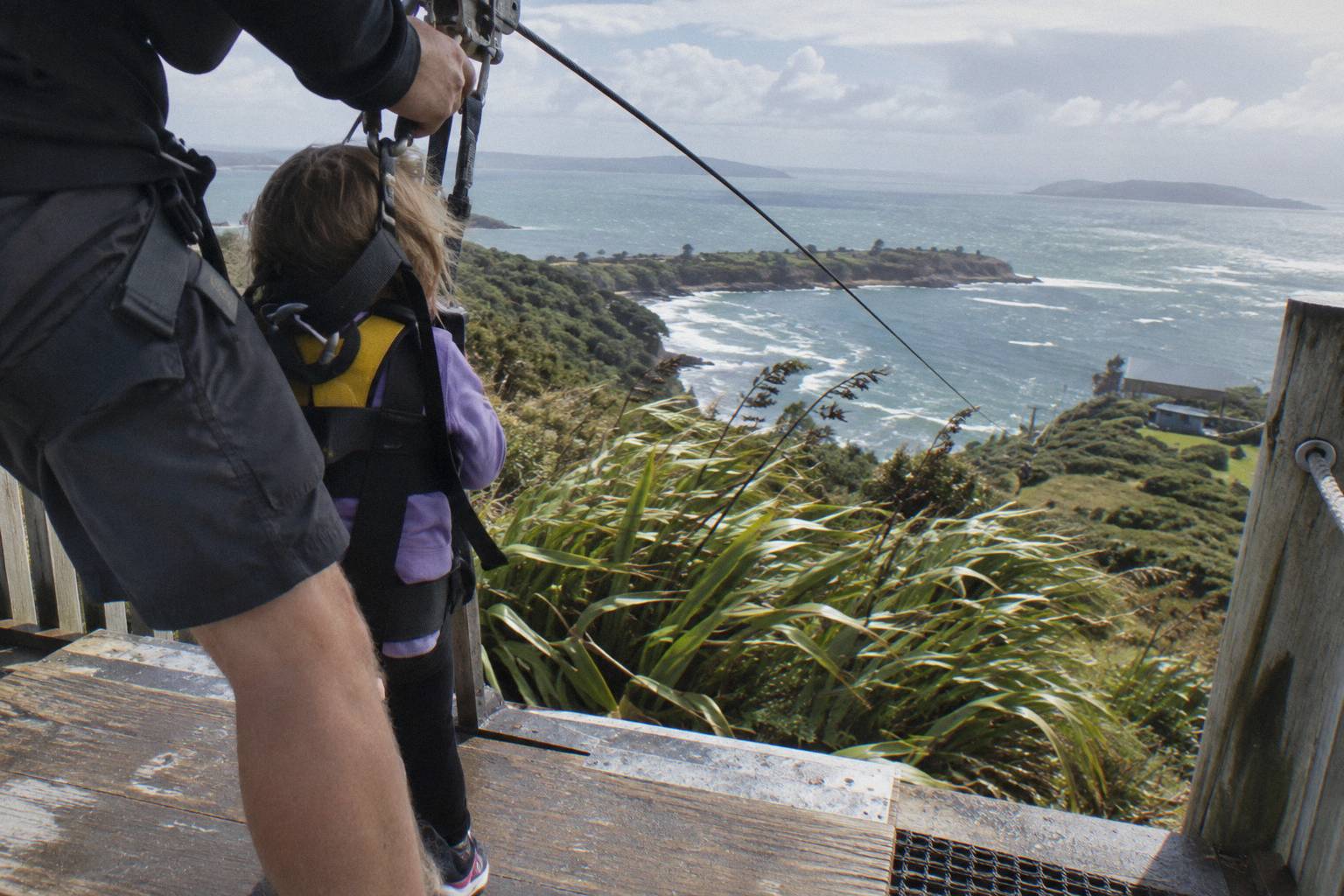
A plain-language summary of how the industry frames the policy is available in this review of commercial zipline weight policies, which explains both the common ranges and the reasoning operators publish. For riders under the minimum, the situation usually resolves itself with time. A child who is too light this summer will clear 30 kg within a year or two, and the EcoZip child pricing runs to age 15, so the trip simply moves down the calendar. For riders over the maximum, the honest answer is that no New Zealand operator in the roster compared here offers a heavier rating, and the productive move is weight-sensitive planning elsewhere on the island, from the hop-on hop-off Explorer bus to wine tours and the ferry itself.
That said, the ceiling is not a cliff edge. The limit is a hard number, but harness fit is the softer constraint that catches a second group of riders: someone inside the weight range with a broad chest may find a standard harness will not close safely, while someone above the ceiling may have been refused somewhere else for fit rather than the printed number. EcoZip checks harness fit alongside weight at check-in, and its FAQ recommends anyone with fitting concerns contact the operator ahead of the day.
A couple of related pages dig into exactly these edge cases: the post on whether a 300 lb person can zipline on Waiheke and the guide to what to wear ziplining on Waiheke, since clothing choices genuinely affect harness fit.
Harness Fit, Body Shape And Real-World Edge Cases
Weight is the number on the sign, but harness fit is what the guide actually checks: a rider inside the weight range can still be declined if the harness cannot be fitted correctly, and operators would rather refuse a booking than run a rider in gear that is not seated properly. The 30 to 125 kg range at EcoZip is paired with a fit check at sign-in for exactly this reason. It is a safety system working, not staff being difficult.
The mechanics matter here. A zipline harness takes the rider's full weight at launch and landing, and the braking jolt loads the leg loops and waist belt in ways a standing harness never does. If the waist belt cannot achieve the required tension, or the leg loops sit wrongly, the rider can slip partially through the harness under braking load, which is one mechanism behind the fall injuries that dominate the accident record. This is why the weigh-in and the fit check are not redundant: one verifies the brake envelope, the other verifies the human-to-equipment interface.
Pregnant riders are routinely declined across the industry, not because of weight but because standard harnesses are not designed for pregnancy and the braking forces press across the abdomen. The operator's terms list pregnancy among conditions that may impair safe participation, alongside high blood pressure, cardiac conditions and back or neck injuries. This is covered properly in the post on ziplining while pregnant on Waiheke, and the health questions more broadly in who should not go zip lining.
For plus-size riders, the practical summary is encouraging within the range. Full-body harnesses at commercial New Zealand operators accommodate a wide spread of shapes up to the printed ceiling, and the 125 kg cap at EcoZip and Ziptrek sits at the generous end of the international norm. The detailed treatment, including what to ask before booking, is in can plus-size people zipline.
The two checks work as a sequence, and knowing the sequence helps you prepare for it.
| Check | When it happens | What it verifies | What to do if it fails |
|---|---|---|---|
| Weigh-in | Discreetly at EcoZip check-in, before gearing up | Rider is inside the 30 to 125 kg brake envelope | No participation; the operator's terms say it is not automatically refunded |
| Harness fit | At gear-up, after the weigh-in | Belt and leg loops seat correctly on the rider's body | Guides adjust or resize gear; if no safe fit, no participation |
| Health declaration | At booking, via the risk disclosure form | No condition that impairs safe participation | Discuss with the operator before the day; doctor's advice if unsure |
Does Age Interact With Weight Limits?
Age itself is rarely the barrier people assume: EcoZip has no age limit at all, Rotorua Canopy Tours has hosted guests up to 93 years old, and Ziptrek has zipped riders over 90, because what operators gate on is weight, harness fit and the physical ability to complete the course. Where minimum ages exist, such as 6 years at Rotorua and Coromandel or 10 on Rotorua's Ultimate tour, they serve as proxies for minimum weight and briefing comprehension. The two rules work together rather than in isolation.
The clearest illustration is on Waiheke. EcoZip's rules are 30 to 125 kg, no age limit, guardian signature for under-18s. A tall, confident eight-year-old who clears 30 kg can ride; a light twelve-year-old who does not cannot. That inversion surprises parents who assumed a birthday threshold applied, and it is worth knowing before you promise the trip. The full picture for families, including the child and family pricing bands, is in the guide to the Waiheke zipline age limit for kids and teenagers.
At the other end of life, the weight floor becomes the more relevant limit, since adults rarely shrink below 30 kg, but the same principle holds: a 70-year-old inside the weight range with the mobility for a 1.4 km forest walk is a straightforward participant, and this is treated properly in is ziplining safe for seniors and the Waiheke-specific post on whether a 70-year-old can go ziplining on Waiheke. The forest walk matters as much as the lines here, because the EcoZip course ends with a guided walk over uneven, occasionally muddy ground with a few steady climbs.
Planning Around The Numbers
If you weigh between 30 and 120 kg, every zipline in this article is open to you; between 120 and 125 kg, Waiheke's EcoZip and Queenstown's Ziptrek still work; above 125 kg, no operator in the New Zealand roster compared here can take you, and the honest plan is a non-zipline Waiheke day built on the ferry, the Explorer bus and wine tours. Those are the practical bands, and they are stable across seasons because they come from equipment ratings, not demand.
For most readers the numbers are a five-minute check, not an obstacle. Weigh yourself with the clothes and shoes you will wear on the day, add a kilogram of honesty, and compare against the table above. If you are near a boundary, email or call the operator before booking rather than after: EcoZip publishes a contact number on its FAQ page and answers fit questions routinely. The guide to Waiheke zipline prices and what is included covers the money side, including the fact that the ferry fare is separate from the zipline price.
The final thing worth internalising is that the weigh-in is not an interrogation. It is discreet at EcoZip, it takes seconds, and it exists so that the brake at the far end of the cable performs exactly as tested. Operators who skip it are the ones to worry about, and New Zealand's audit regime makes that unlikely at any registered commercial course.
Common Questions About Zipline Weight Limits
What Is The Weight Limit For Ziplining?
It varies by operator and course. On Waiheke, EcoZip Adventures requires riders to weigh between 30 and 125 kg. Rotorua Canopy Tours and Coromandel Zipline Tours cap riders at 120 kg, and Ziptrek Ecotours in Queenstown allows up to 125 kg. Always check the specific operator's listing before booking.
Do You Get Weighed Before Ziplining?
At EcoZip on Waiheke, yes, every participant is weighed discreetly at check-in, and the harness fit is checked at the same time. The weigh-in is standard practice at commercial courses because braking systems are rated for a specific weight envelope.
Why Is There A Minimum Weight For Ziplining?
A rider who is too light may not build enough momentum to reach the landing platform, especially on long or gently graded lines, and can stall mid-cable. That is why minimums exist, typically around 20 to 30 kg, and why small children are the group most often caught out.
Can A 300 Lb Person Zipline On Waiheke?
300 lbs is above the 125 kg maximum at EcoZip Adventures, so no, not on the island's main zipline. No operator in the New Zealand roster compared here publishes a higher ceiling.
Is There An Age Limit As Well As A Weight Limit?
EcoZip has no age limit; under-18s need a parent or guardian to sign the risk disclosure form. Where minimum ages exist elsewhere, such as 6 years at Rotorua and Coromandel, they largely serve as proxies for minimum weight and briefing comprehension.
What Happens If I Arrive Outside The Weight Range?
At EcoZip, riders outside the 30 to 125 kg range cannot participate, and the operator's terms state that this is not automatically refunded. Check your weight honestly before booking, and contact the operator in advance if you are near either boundary or have harness fit concerns.